Permaculture Design Basics: Catch and Store Energy

Permaculture design is founded on the basis of 12 key design principles (See What is Permaculture for a full list). No matter where you are in life, what resources you have available, and what lifestyle you live, these 12 design principles provide a framework for solving problems, working with nature, and creating spaces that are resilient and adaptive. In this series, I will go through each of the 12 permaculture design principles, explain what they mean, and share some ideas about how they can be applied to someone beginning a permaculture journey while living in a rented apartment. Check in over the coming weeks to learn about each of the principles and gain new ways of thinking about the spaces you create, wherever you might live!

Permaculture Design Basics 2 – Catch and Store Energy

Life and Energy

At its core, life is an engine that converts light from the sun into order. The second law of thermodynamics states that the entropy (also referred to as disorder or chaos) within a system will only grow, unless energy is harnessed to counteract this natural tendency. As an example, imagine your bedroom. As you go through life and conduct activity in the room, things will only get messier and messier until you take the time and energy to deliberately reorganize and clean. You would never expect to walk into your room after being away at work and find that your bed had suddenly made itself.

Yet despite this universal tendency towards disorder, somehow the molecules of our world have organized themselves in such a way as to give rise to life. Left to its own devices, life will take the chaotic particles found in the air, soil, and water and combine them with energy captured from the sun to form complex, organized structures capable of reproduction, evolution, and even consciousness. Whether its an oak tree using photosynthesis to store energy in an acorn or a deer eating an acorn to grow antlers, life has the miraculous ability to stave off chaos long enough to create the beautiful and harmonious ecosystems in which we live. It’s easy to take this fact for granted, but without the engine of life, you wouldn’t be reading this article right now. In fact, you wouldn’t be anything at all besides scattered dust.

The capture, storage, and harnessing of energy lies at the heart of life itself
Photo by Shivam Patel on Pexels.com

Like any engine, life requires both fuel and supporting materials in order to run. In the same way that your car might need gas, oil, a battery, and brake pads, all put in the right places in the correct quantities to run effectively, so too does life require a specific constellation of ingredients and energy to flourish and thrive. This fact lies at the heart of the second principle of permaculture design: capturing and storing energy.

What is “Energy” in Permaculture?

As I’ve mentioned, the energy that fuels life is ultimately derived from the sun. Plants capture this energy through photosynthesis, storing the energy in molecules of sugar, and from there the sugar is used to drive the chemical reactions that grow new leaves, produce fruit, and ultimately generate the seeds that will pass the gift of life on to the next generation. When a deer eats the plants in a forest, they are consuming the sugars stored in the plants and then using that energy to drive their own metabolic processes. Consequently, sunlight is the original source of the “energy” we seek to catch and store in permaculture, and living systems are the primary “batteries” we use to store that energy.

That said, there are other sources of energy present in any natural system. Mechanical energy might take the form of water flowing in a stream or wind blowing through the trees. Chemical energy might be brought into a system in the form of gasoline, firewood, or the nutrients stored in food. Biological energy might exist as a pig eager to dig up the land looking for roots or as a farmer armed with a shovel getting ready to dig a new garden bed. Beyond these more physical forms of energy, I think it’s also worthwhile to recognize human forces, such as creative energy. At the highest levels, we can even consider such things as the spiritual energy that pervades everything we do to give our lives purpose and meaning. Good permaculture design will put all of these forms of energy to maximum use before allowing the energy to leave a site and flow back out into the universe.

Slow and Steady Wins the Race

The idiom of “drinking from a fire hose” captures the challenge of quenching your thirst when faced with a rushing torrent of water. The same issue arises when trying to harness energy. Without some clever structure, energy tends to flow very quickly towards a lower energy state, and the speed of this transformation can be problematic. Though it is impossible to keep energy contained in a system forever, there are many techniques we can use to harness this energy and channel it into regenerative and useful applications.

There is tremendous energy in a waterfall, but the speed of the flowing water makes it difficult to harness productively
Photo by Oliver Sju00f6stru00f6m on Pexels.com
The Microcosm of a Cell

As a biological example of slowing down the flow of energy to improve its utility, consider the breakdown of sugar. This transformation could be accomplished in a single step through combustion by simply lighting sugar on fire and letting it burn. All of the energy would be released into the flame in a matter of seconds, and then the energy would be gone. However, the fact that your cells aren’t currently on fire indicates this isn’t the case.

In fact, it turns out that our cells carry out dozens of smaller, more controllable reactions to break glucose down into as many as 38 units of ATP, which then go on to power the cell. The start and end points of both combustion and cellular respiration are the same: sugar is converted into carbon dioxide and water while releasing energy, but the path the energy takes throughout that transformation differs. By letting the energy cascade through lots of smaller steps, our cells are better able to capture and utilize the energy that is released from the breakdown of sugars without catching on fire and without wasting the power that’s available.

The Macrocosm of a Farm

The exact same concept applies when capturing and utilizing energy in permaculture design. In most situation, our goal is to slow down the flow of energy and direct it through as many small, useful processes as possible before the energy is released from the site to continue its journey. To take the example of flowing water, it would be much more useful for water to be captured in a series of ponds, gardens, washing basins, hydroelectric turbines, and thirsty animals as it traverses a farm, rather than simply rushing past as a raging river from the top of the property to the bottom.

Effective permaculture design might use earthworks such as swales and dams to divert water in a zig-zag pattern back and forth across a property, allowing it to pool in ponds and reservoirs along the way and promoting infiltration into natural stores of groundwater. In this way, water that otherwise might have flowed through the site in a matter of minutes instead takes days or even weeks to complete its journey from the top of a hill to the bottom.

Ponds and reservoirs are used in permaculture to slow the flow of water through a site, store it for future use, and harness the life-giving energy of water to support other activities, like raising animals.
Photo by Brandon Montrone on Pexels.com
Multiplying and Maintaining Abundance

The end result of the process described above is that, without bringing any more water onto the site, the site nevertheless becomes much more richly saturated with the life-giving energy of water, allowing for irrigation, cleaning, watering of animals, aquaculture, hydroelectric power, swimming and other recreation, fishing, raising ducks, and even regulation of micro-climates. Not to mention, the site will be far more resilient to drought. When water flowed through the site quickly and without diversion, any time the source of water dried up for even a few minutes, the site would find itself deprived of moisture. Once the water has been captured and stored, however, the site can continue operating for weeks using the mass of water that had accumulated when rainfall was plentiful, bridging the gap until the next period of rain, which would refill the reservoirs.

In this way, capturing and storing energy helps to even out the unpredictable highs and lows of natural systems, and promotes a far more stable, even, and regular availability of resources. At the same time, it enriches a site without requiring any more inputs. Best of all, capturing and storing the energy that’s already available doesn’t require you to take resources away from anyone else. Again looking at the example of water, whether the water flows quickly over your property and onto your neighbors land or whether the water spends weeks slowly trickling through your ponds, the end result is the same: inevitably the water will flow off of your land and continue its journey to the sea. In fact, your downhill neighbor might actually gain access to more water thanks to your efforts, as they will benefit from both the overflow from your reservoirs and the increased groundwater produced by your systems. Not to mention, during a flash flood their property will be far safer if water flows slow and steady over uphill land, rather than rushing over the land and picking up destructive speed. These net-positive interventions in our environment, where both we and our neighbors benefit from the work of permaculture, are some of the only ways of creating a resilient and sustainable future as we prepare to support upwards of 10 billion people on our planet in the coming decades.

The more we can slow, capture, and harness the energy of water before it returns to the sea, the less dependent we are upon bringing new water onto our site from somewhere else
Photo by Pixabay on Pexels.com

Catching and Storing Energy in an Apartment

If you’re living in an apartment or find yourself in any other living situation where you don’t have access to large amounts of land, you likely won’t have the opportunity to divert a river or build earthworks to capture energy, but that’s okay. Permaculture design is not about grand terraforming over multiple acres, but rather making the most of the resources that are already beneath your fingertips. By employing a few of the techniques from the first principle of permaculture design, “Observe and Reflect,” you’ll notice that quite a bit of energy flows through your home, no matter how small and humble.

Making the Most of the Energy in Your Food

All of the food that you bring into your home is imbued with biological energy. Much of this energy goes into feeding you, but anything organic that you don’t eat still has the potential to feed something else, even if it’s just worms and micro-organisms. Rather than simply throwing food scraps in the garbage bin and taking them out of your home to a dumpster, you could compost these scraps in a small bin on your patio. Or, if you don’t have a patio, you could build a tiny worm bin and keep it in your kitchen (managed well, a worm bin shouldn’t give off any foul odors).

Composting is a simple but powerful means of “closing the loop” on food waste and capturing that energy for future use in your home
Photo by Sippakorn Yamkasikorn on Pexels.com

Then, rather than the energy in your food scraps being lost, it will be converted into compost, which can be used to feed plants. The plants will combine the energy from your compost with the light from your windowsill, and with any luck you can grow something that you can eat! In this way, the energy in food scraps, which otherwise would have been lost, remains near your home long enough to be converted into new food and power your body. Of course the new food scraps and trimmings from your plants can also find their way back to the compost pile, and the cycle will repeat. Through “closed-loop” processes like this, you capture and store energy in your home and decrease your need to import new energy from the grocery store.

The Value of Creative Energy

Another source of energy you can “capture and store” might be easier to overlook. It is the human and creative energy of the friends and loved ones you invite into your home. If you have a smaller home but still enjoy hosting friends, chances are you have a much higher ratio of creative energy to space than most farms or larger properties. This increased concentration of human potential is a valuable resource, particularly when viewed through the lens of social permaculture. Don’t underestimate this asset just because it’s not as obvious and tangible as a river! Your situation right now offers you opportunities for connections and growth that aren’t available to anyone else, and it is our role as permaculturists to recognize and make the most of these opportunities!

We all hold tremendous creative potential and a desire to express ourselves, but we often keep these more expressive activities to ourselves. What if, instead, we invited our friends over to create art or plant seeds or work on any other collaborative project? It makes the work go by much faster, it offers a great opportunity for storytelling and idea sharing, and the projects you work on with friends will always hold an extra layer of meaning when you look back on them in the future. Not to mention, it offers a chance for you to teach and learn from one another in the type of free exchange that’s often undervalued in our society but which forms that backbone of many community-centered cultures.

Small homes abound with creative human energy, if only we take the time to harness and capture this potential!
Photo by Tatiana Syrikova on Pexels.com

By inviting your friends to participate in creative projects, group learning, and mutual help while they are in your home, you effectively “capture and store” some of their creative energy that otherwise might have flowed through your home untapped. Developing this skill over the course of a lifetime (or even just a few months), you stand to find yourself as a hub of connection that brings people from different walks of life together to build stronger communities that are mobilized to make a positive impact on the world, for both people and the environment. These “soft” assets can be even more powerful than a field filled with biointensive gardens when it comes to shaping the future, and the best part is that you don’t need to wait until you own a 5 acre property in the countryside to get started!

Tying It All Together

Whether you have a stream of water or a trickle of good companionship running through your home, we all have sources of energy that could benefit from being appreciated, captured, and put to productive use. It’s this ethos of valuing what we already have, making the most of it, and harnessing our efforts to make the future a more beautiful and abundant place that lies at the heart of permaculture, and it’s a powerful piece of your permaculture design toolkit, regardless of where you might find yourself in life. Master this skill, and you’ll find that true abundance comes not from the ability to buy ever-increasing hoards of resources from outside your home, but rather from working with nature to capture and store the abundance that’s already in your life!

Permaculture Design Basics: Observe and Reflect

Permaculture design is founded on the basis of 12 key design principles (See What is Permaculture for a full list). No matter where you are in life, what resources you have available, and what lifestyle you live, these 12 design principles provide a framework for solving problems, working with nature, and creating spaces that are resilient and adaptive. In this series, I will go through each of the 12 permaculture design principles, explain what they mean, and share some ideas about how they can be applied to someone beginning a permaculture journey while living in a rented apartment. Check in over the coming weeks to learn about each of the principles and gain new ways of thinking about the spaces you create, wherever you might live!
Permaculture Design Principle 1 – Observe and Reflect

American Culture and the Value of Patience

American culture values action. We idolize the hero who shoots first and asks questions later, and anyone who isn’t in constant pursuit of changing and improving his life is either lazy or ignorant. This value system often de-prioritizes patience and can encourage us to take bold, decisive action before we fully understand a situation, with the assumption that we will figure things out as we move forward.

There is a time and place for intense and decisive action, but oftentimes our culture prompts us to act first and think later
Photo by Pixabay on Pexels.com

While there are benefits to courageous and decisive action in the right contexts, the first principle of permaculture design challenges us to look at things differently. More specifically, it encourages us to simply look at things and wait. This first principle of permaculture design is simply to observe and reflect on the patterns within a system before you ever start trying to change things. I’ve heard it said that in a perfect world a permaculture designer would spend an entire year simply observing a site before making any plans at all about what to do with it, let alone starting to dig things up. This might sound like a radical concept and a waste of precious time, but there is a simple and elegant logic to this mode of interacting with the world, whether you’re growing a garden or modifying your lifestyle.

Working With Time vs. Working Against Time

In permaculture, we seek to develop a permanent culture (hence the name of the entire design philosophy). This idea of permanence is intrinsically linked to the progression of time, and it requires us to understand a system not just in a single moment, but rather how that system flows and shifts with the changing of the seasons. If you’re dealing with the static, artificially imposed systems that dominate our culture, it’s tempting to take a quick survey of the most obvious factors and then immediately set about imposing your will on the environment. The downside to this approach is that you’ll inevitably end up working against rather than working with it.

A parking lot is a great example of a system that is designed for a single moment and that only deteriorates with time
Photo by Pixabay on Pexels.com

For example, if you’re putting in a parking lot you might measure the tilt of the land, look up some data about rainfall and drainage, and consider where people will be walking. With these factors in mind, you bring in a bulldozer and a steamroller and get to work. The result is a patch of asphalt that serves a single purpose throughout the year: it’s a place to park cars. However, this parking lot has a few crucial flaws when we look at things from the perspective of permaculture. For starters, it doesn’t catch and store energy (permaculture design principle #2) and it doesn’t allow for any diversity or stacking of functions (permaculture design principle #10). More than that, however, it’s not permanent. Given enough time, the asphalt parking lot will only deteriorate and decay. This is because its design failed to plan for and work with the passage of time. When we design for a single moment, time will always become an enemy.

Contrast this with a permaculture food forest, which works with the natural progression of a forest ecosystem to produce an abundant landscape that only becomes more and more productive as years go by, even with minimal human intervention. Creating a food forest is only possible, however, when one understands the way that energy and matter flow through a system over time. Observing a site throughout time and noting its natural tendencies so that we can work with them is one of our most powerful tools in allowing us to build anti-fragile systems that grow in beauty, utility, and resiliency as the years pass.

A food forest is designed with an understanding of the complex temporal relationships at work in a natural ecosystem, making it get better with time
Photo by Pixabay on Pexels.com

The Skill of Observation and Reflection

So what are you supposed to actually do while practicing observation and reflection? For me, this design principle holds similarities to meditation and mindfulness practices. The skill here is to simply be present in the moment and take note of what occurs in whatever system you are observing when you’re not doing anything to change it. You don’t want to fixate on any particular event, but rather sit back, observe any patterns that present themselves to you, store those patterns away for future consideration, and then just go back to waiting and watching.

What things enter the system naturally, and what things leave the system? Where does the majority of activity take place, and what areas are utilized more infrequently? Identify the multiple functions that each element in the system serves, and take note of redundancies and how they build resiliency. The more you can learn about what wants to happen naturally, you can make tiny, subtle shifts in a system that work with the natural flow, potentially yielding huge benefits with minimal effort.

Observation and Reflection in an Apartment

It’s one thing to imagine sitting back and observing a field or a forest: watching the comings and going of different animals through the season, noticing how rain flows across the site, identifying the plants that grow naturally, and so on. But how does that apply to practicing permaculture while living in an apartment?

Noticing patterns in your current behavior is the first step to making sustainable change
Photo by cottonbro on Pexels.com

Noticing without Judging

It turns out that the practice of observation and reflection is not that different whether you’re observing an entire ecosystem or simply the flow of people and items through your kitchen. Before you try to make any massive lifestyle shifts, go 100% waste free, or even just start a recycling habit, I would encourage you to take some time to simply be mindful of what you’re doing right now. What kind of products are you buying? What kind of waste are you producing? How much electricity do you use, and where do you spend most of your time in your house?

If you haven’t put much thought into sustainability in the past and you’ve only recently started considering these issues, you might find yourself feeling guilty or ashamed of your behavior and feel the need to change everything about how you live all at once. Though this motivation comes from a good place, I would encourage you to take a breath, take some time, and just watch yourself as you go through your life without any judgement of what you’re doing “wrong.” The fact of the matter is that you’ve been doing the best that you know how to do up until this point, and the journey towards a permaculture lifestyle is a lifelong journey, not a sprint.

Remember that the need to take immediate and decisive action to correct any perceived wrongdoings is a byproduct of our culture, but time has proven that patient observation and reflection empowers us to make better long-term decisions. You don’t necessarily need to watch your patterns of behavior over an entire year before acting (though you can if you want to), but taking a month to develop the practice of noting the patterns in your own home can be the difference between sustainable, lifelong change and burning out after a few weeks of trying to force massive change on yourself all at once.

Permaculture and Pareto’s Principle

If you want to discover the most effective way to make changes in your life, use your practice of observation and reflection to watch for opportunities to apply Pareto’s Principle. This is a principle that states that, for many events, about 80% of effects come from 20% of causes. For instance, if you were running a business, you might find that 80% of your sales originate from 20% of your customer base. I believe that the same idea applies to sustainability and permaculture design. If you have the discipline to observe your actions, you’ll likely find that 80% of your negative environmental impact comes from 20% of your actions. Maybe 80% of your weekly waste comes from the 20% of your budget that you spend on groceries (if this is the case, you’ll find that the overwhelming majority of items in your trash can are coming from food wrappers and takeout boxes). Alternately, you might find that most of your electricity use comes from running your air conditioner, and that powering your lights only plays a small role in your overall power consumption.

Pareto’s Principle can reveal the most impactful places to begin creating sustainable change in our lives
Photo by Lukas on Pexels.com

These observations reveal the most impactful points for you to begin making changes to your lifestyle if you want to be more sustainable. For instance, if you find that most of your garbage is coming from grocery packaging, you might decide to make the change to shopping for unwrapped produce using a reusable bag the next time you go to the store. This singular action might have the same impact on your trash output that starting a composting program, separating your recycling, and creating an upcycled art project would all have combined. That’s not to say that those other endeavors aren’t worthwhile, but if you only have time and energy in your life to make a single change, you’re going to want to know how to apply that energy most wisely. The practice of observation and reflection offers a unique opportunity to spot these patterns that are hiding in plain site.

Tying it All Together

It’s not always easy to take a back seat and let life run its course when you notice something that can be improved. Cultural messages will constantly push you to take action now, whether you fully understand the situation or not. However, give nature some credit for being stronger and wiser than you think, and develop the humility to realize that your first ideas and impressions about a situation might not always be your best. Give yourself the time to learn and understand before acting, and you’ll find that time works with you, while those around you struggle with spreading themselves too thinly and wasting energy. The first principle of permaculture design is simple and straightforward, but that doesn’t make it easy. Take notes of your habits today, and the rest of the permaculture design principles will only become more powerful in your hands!
Growing a Permaculture Network

Whether you own a 100-acre farm, rent an apartment in the city, or are building a homestead in the mountains, one of your most important assets is the group of people you surround yourself with. Though plenty of people turn to farming as a way to put some distance between themselves and a society that constantly has us “keeping up with the Joneses,” the reality is that permaculture is rooted in connection. Certainly that means working with the connections that exist within nature, but it also means connecting with other people to form a community that is stronger than the sum of its parts. Even if you aren’t growing a single thing at the moment, you can make huge progress on your permaculture journey today by beginning to build the connections that will propel you forward in years to come.

Who You Know Determines What You Know

In business, it is often touted that who you know is more important than what you know. While this may or may not be true depending on your particular circumstances and goals, I believe that it obscures a deeper truth: that who you know determines what you know. More specifically, the people who surround you will shape the ideas that you’re exposed to, your ideas of what’s possible, and how you go about pursuing your dreams.

As just a single simple example, consider the five people you spend the most time with in your life, whether they are roommates, romantic partners, coworkers, or friends. Then ask yourself if these people, taken together, tend to share similar long-term visions as you regarding life goals. Do they dedicate a similar amount of time to putting in serious effort to achieving these goals as you would like to? If you were to start a conversation with them about your passion, would they be interested and engaged, or bored and dismissive?

Though at first glance the connections in your life are a product of chance, the reality is that you can spend intentional energy in cultivating these connections. The bad news is that you’re unlikely to just stumble into the perfect network and retain it without an effort. The good news, however, is that if you don’t already have a network like this built, there are concrete steps you can take today to begin “finding your tribe.” In the rest of this article, I’ll share the tips and strategies that have worked for me. I hope they’ll provide some ideas for you to apply in your own life, as well!

Photo by fauxels on Pexels.com

1) Hang Out Where Like-Minded People Gather

Authentic, long term connections with other people aren’t something that you can conjure out of thin air. Over the years, I’ve found that most of my valuable connections seem to be people I just “bump into” while going about my everyday life. Though it might not seem like there is much you can do to determine who you bump into, the reality is that you actually can create fertile ground for organic connections by altering your daily life so that you “just so happen” to be spending time where you’re likely to meet the connections you’re seeking.

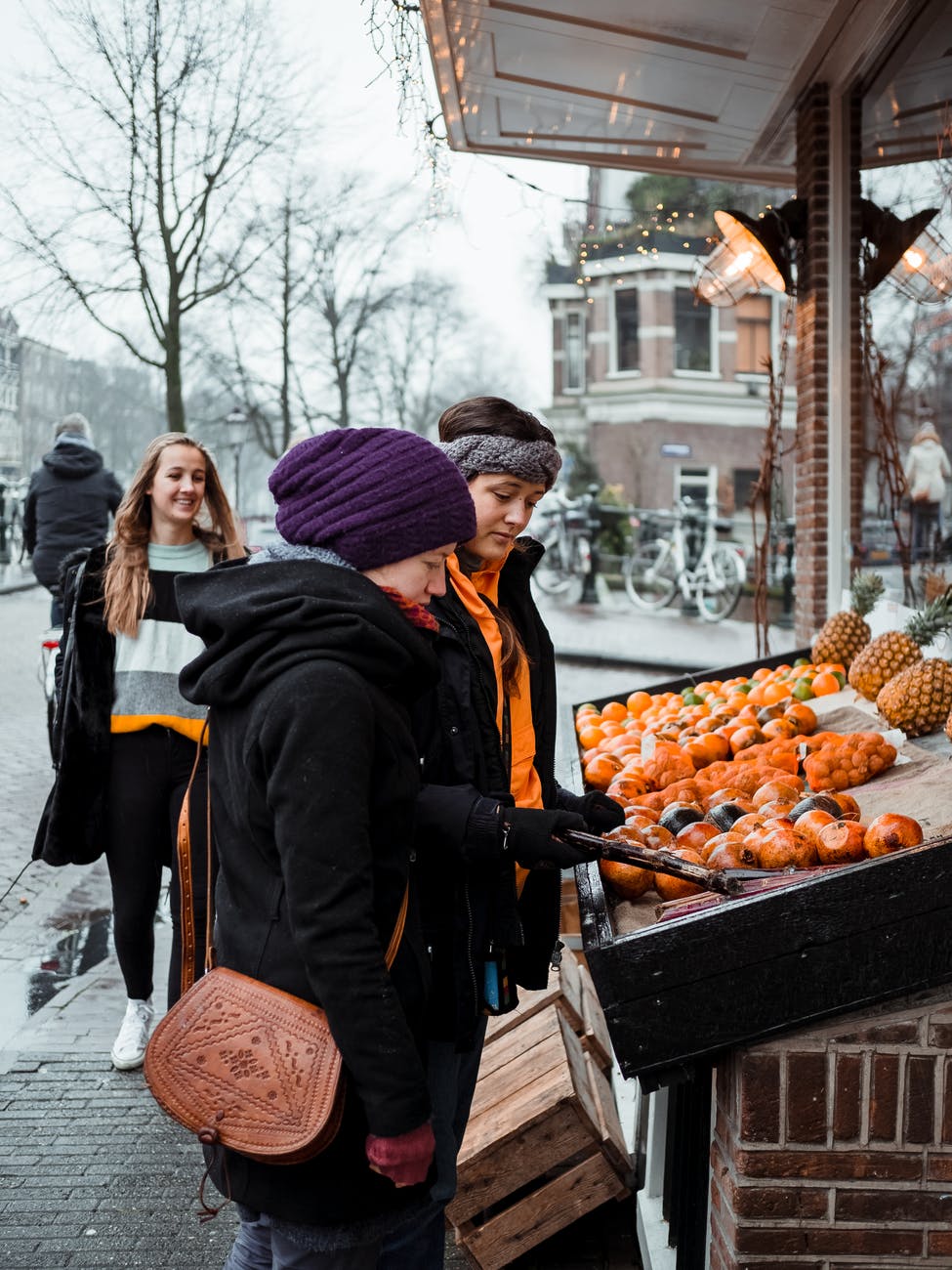
For instance, when you need to get groceries, are you having your groceries delivered online, or are you going out and walking around a local farmers market? Though you’re not guaranteed to meet someone passionate about permaculture in either of these scenarios, I think you’re far more likely to strike up a conversation with someone who knows a thing or two about regenerative food production when you’re surrounded by people who grow and sell food for a living, rather than while you’re sitting on your couch waiting for the doorbell to ring. The same idea can be applied to the types of restaurants you frequent (imagine the people you meet in line for takeout at a farm-to-table restaurant versus your local Pizza Hut), the places you go for vacation (picture visiting a biodynamic vineyard versus attending Fashion Week), and where you spend your Friday nights (hiking through a state park versus dancing at a night club).

Photo by Tembela Bohle on Pexels.com

None of that is to say that you need to stop doing all the things you enjoy simply because you’re not likely to meet a permaculture nerd there. What I am suggesting, however, is that you sprinkle a few activities into your daily life where you’ll be brushing elbows with the types of people you want to one day resemble. Give it a shot for 6 months, and I’d be genuinely surprised if you don’t end up “randomly” meeting someone you’d like to connect with further.

2) When You Meet Someone, Find Common Ground and Share Your Passions

This second tip comes down to making the most out of the random encounters that occur in your life after you bump into someone unexpectedly. You could meet the perfect mentor or a future business partner, and none of it will matter if you both don’t realize that you share a common interest and would benefit from deepening the relationship.

For this reason, if I have the time to chat I usually try to determine early in the conversation what the person I’m talking to is interested in, and then I try to find ways to connect that to what I care about. Though this might seem like a fairly obvious way to form connections, it’s surprisingly easy to get caught up in small talk, particularly during unexpected encounters, in which two people are engaged in polite conversation that never really goes anywhere. There’s nothing wrong with talking about it being a sunny day outside, but it’s mostly just a way to pass the time while saying nothing important.

Since I’m an introvert and all of my social interaction with strangers requires some degree of emotional effort, I find it helpful to direct the conversation towards something that excites me. Cultivating a wide array of interests is helpful in this domain, as it will allow you to form more connections between the tidbits of information that other people offer and the things you really want to talk about. Plenty of time you’ll still strike out and conversations will fizzle and be forgotten, but even if that’s the case, you’re no worse off than if you just stood there silently.

I think it’s important to highlight the fact that I’m laying out these guidelines for encounters where you are actively going out to network. This isn’t necessarily how I would recommend interacting with your established friends, but it does highlight the fact that networking is an active skill. I’ve taken entire business courses dedicated to the topic of networking, and it can definitely feel awkward and forced at first. However, I think the payoff to learning this skill is well worth the investment, regardless of the field you work in. My best advice is to avoid discouragement when you’re first starting out, and take some time to research other resources online. If you have the time to read a book, Never Eat Alone by Keith Ferrazzi was mandatory reading in my business curriculum, and I think it’s a good place to start!

3) Make Online Content Work for You

With COVID currently making face-to-face networking a little more difficult, I think this is a great opportunity to start actively curating the content you view online. It may seem almost inconsequential, but I’ve noticed that this strategy has really helped me to find new ideas and new voices that I otherwise wouldn’t have encountered.

If you’re on social media (I can mostly speak to Instagram and Facebook, but I imagine this would apply to Twitter as well), take a few minutes and follow a few pages that talk about permaculture. If you’re not sure where to start, follow a few hashtags like #permaculture, #organicgardening, and #landscapedesign. Then sort through the accounts that are using those hashtags until you find a few that seem relevant to you. I’ve found that even seeing 2 or 3 posts a day while scrolling through my feed can help remind me that I deeply care about permaculture and want to learn more.

Photo by Ekaterina Bolovtsova on Pexels.com

YouTube is another great resource for finding informational and entertaining videos on all sorts of topics. The key here is to absolutely create an account and subscribe to the channels that you want to see. If you just go to YouTube without an account, you’ll be blasted by whatever is trending in pop culture, which almost never has anything to do with sustainability. By creating an account and subscribing to channels like Neversink Farm, MIGarderner, Discover Permaculture with Geoff Lawton, and other similar content producers, you let YouTube’s algorithms start working for you, and you’ll find that your recommended video lists start being populated with content about sustainability and gardening. Both creating an account and subscribing to channels is completely free, so there’s nothing to lose here.

Lastly, I would suggest that you consider diving into the world of podcasts, if you haven’t already. I happen to like Diego Footer’s Permaculture Voices as a podcast about market farming and pasture raised livestock in an environmentally regenerative context, but I’m sure there’s some other great content out there. Allowing the ideas in these podcasts to soak into your brain while you drive or do chores can really create some new connections and serve as a stepping stone to more directed study in the future.

Connecting for the Long Run

To wrap things up, I think the most important takeaway from this article is that networking is something that requires active attention, a specific set of skills, and most importantly takes time. Because you can’t just snap your fingers and be surrounded by a new set of people and voices, it makes sense to think about your efforts to improve your network over the span of months or years, rather than days or weeks. Though it might be daunting to start something now that you know might not pay off until far into the future, it also means you don’t need to figure everything out and get it perfect tomorrow in order to begin moving the needle in the right direction. Small, sustainable habits built up over time will be more impactful than a single herculean effort over a few days. Plus, at the end of the day, small sustainable changes to make the future a better place is what permaculture is all about. Like they say, the best time to plant a tree is 10 years ago. The second best time is today. Start to think about networking today, and in a decade you’ll find yourself surrounded by fruitful, inspiring connections!

2 Minute Tips: Hooking a Hose to a Sink

2 Minute Tips is a series I’m starting with each article designed to be read in 2 minutes or less. In it, I’ll explore simple ideas that can have a big impact as you’re learning how to grow more food at home, wherever you might live!

Using a Hose without a Spigot

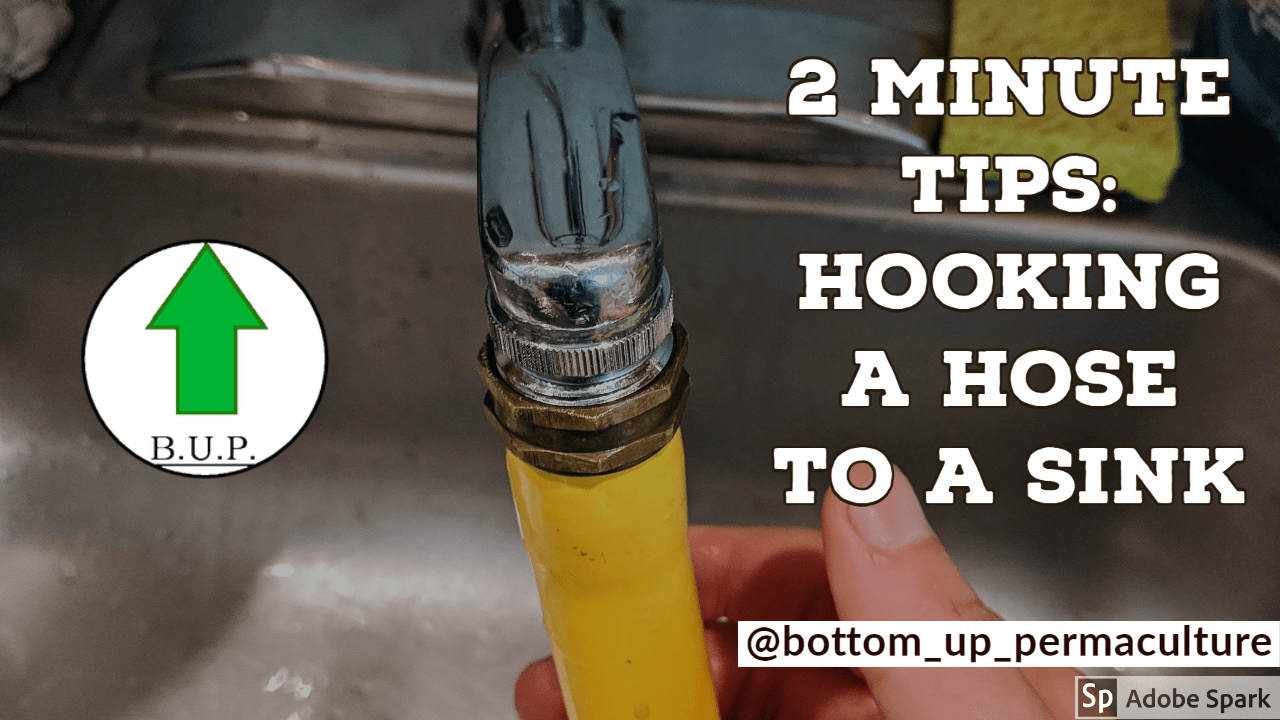
There’s a good chance that when you imagine hooking up a hose to water your plants, you picture going to the little steel spigot on the outside of a building and screwing your hose directly to that. However, if for any reason you don’t have a water tap like this near where you want to water, hooking a hose to your sink could provide a solution! It’s easy, doesn’t require any tools, and only takes a single part from your local hardware store. Read this article for 3 easy steps to get watering!

Step 1: Buy an Adapter for Your Faucet

To attach your hose to your sink, the first thing you’re going to need to do is look at your faucet to determine the type of adapter you’ll need. Depending on your living situation, your faucet may or may not have an aerator on it. An aerator is a little cap that screws onto the end of your faucet to make the water more “bubbly” and less “splashy” as it comes out. If you have one, you’ll want to take it off like in the pictures below. If this is your first time doing this, it might take a bit of elbow grease, particularly if you have hard water which can cause the aerator to stick on.

My kitchen sink, with an aerator on the end

Unscrew the aerator

Step 2: Buy the Right Adapter

When you have the aerator off of your faucet, you’ll need to take a look at the type of threading that’s on the end of the spout. Chances are, if you’re hooking to a sink in a kitchen or bathroom, you’ll see small threads on the outside of the little pipe that sticks down. If that’s the case, you’ll need a “female” adapter like the one here. If, however, the threads on your faucet are on the inside of the pipe that sticks down, then you’ll need a “male” adapter like the one here. Worst case scenario, if you can’t figure it out, then take few pictures of the end of your faucet from different angles and ask a worker at the hardware store for help. As long as they can see the threading at the end of your sink, they should be able to find you the right piece. Just tell them you’re looking for an adapter to hook a garden hose up to your faucet, and they’ll point you in the right direction.

Step 3: Hook Up the Hose and Spray!

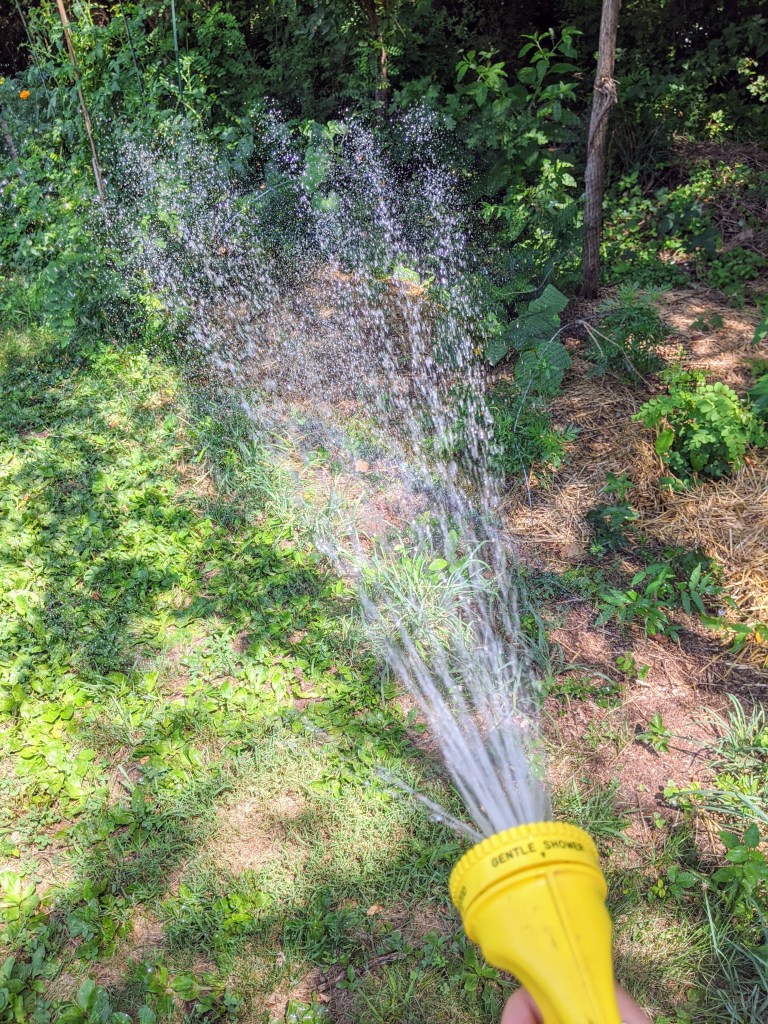
Once you have the adapter on your faucet, it’s as easy as hooking up your hose and watering your plants! The end of your hose with threads on the inside should fit over the adapter and screw onto the course threads on the outside of the piece. From there, just turn on your faucet (use cold water if you’re watering plants) and use the hose like normal!

Your hose should screw onto your new adapter

With the hose attached, turn the water on and use the hose like normal!

How to Keep Deer Out of Your Garden without a Fence

If you’ve ever tried to grow something outdoors, you’ve probably run into the challenge of having friendly neighborhood animals treating your well-tended garden like a free buffet. Even in the suburbs, rabbits, deer, groundhogs, and other plant predators can mow down a small bed of carrots, parsley, or lettuce overnight, making for a rather upsetting scene the next time you go out to water or harvest the fruits of your labor. For people growing on pieces of land that they own, the go-to solution is often to put up a permanent deer fence by sinking posts into the ground and building a six-foot or higher barrier all along the perimeter of their garden area. While this does create an area that deer can’t enter, there are many reasons this isn’t practical for all growers, particularly if you’re a renter. Whether you want to save money on building materials, you don’t have permission to build a fence, or simply because you don’t want a big tall barrier obstructing your view, below are a few ideas to help keep hungry animals away from your growing plants.

Photo by melisa valentin on Pexels.com
Natural Deer and Rabbit Repellent Sprays

If you’re looking for a quick and easy solution to keeping your plants secure, this might be the simplest option for you. Have you ever noticed how animals will eat certain plants but leave other plants alone? For instance, you might have had the tops munched off of your tomato plants while a rosemary bush nearby was completely untouched. The reason this happens is because deer and other animals are repelled by strong, foreign odors. In fact, the herbs and spices we find delicious often evolved their pungent flavors specifically to repel predators and pests. Fortunately for us, we can take advantage of animals’ natural aversion to strong scents to protect otherwise vulnerable plants by using natural sprays.

Liquid Fence is a natural repellent that I’ve found works well to keep my plants safe

Depending on your situation, there are several options for sprays that might work for you. Personally, I have a garden that is about 150 feet from any of my outdoor living space, so I’ve had great success with a product from Lowe’s called Liquid Fence. This is a ready-made spray that primarily contains rotten egg whites, as well as a few oils like thyme and garlic that I’ve found to be particularly effective at repelling deer, rabbits, and groundhogs. It basically works by making the plants stink so badly that animals don’t want to eat them. I’ve found that applying the spray to my growing plants once or twice a month has completely stopped the deer from eating them, which is impressive when you consider the fact that a few months ago my tomato plants were regularly being nibbled down to stubs.

That said, the mixture is highly pungent to humans for a few hours after application, so this might not be a great option if you’re trying to keep animals away from the plants on your patio, since you’ll also be keeping all the people away from your patio as well. I also don’t know that I’d recommend spraying this repellent directly onto plants that you intend to eat. I think Liquid Fence is great for spraying onto tomato or cucumber vines where you’re not going to be eating the foliage anyway, but I would be hesitant about dousing my lettuce with it if I were going to be eating the greens anytime soon. I haven’t tried it personally, but I could imagine the residue of rotting egg whites might not be the tastiest addition to a salad.

If you want to avoid going to the store, there are also plenty of recipes online for DIY deer repellents. Better Homes and Gardens has this list, but there are plenty more if you just Google “DIY Deer Repellent.” I haven’t tried any of these myself, but they seem to range from an at-home recreation of the smelly egg white mixture to a more favorably scented blend made from vinegar and essential oils. I know my grandma also just mixes up a bunch of garlic powder and ground cayenne pepper with some soap and vinegar, and that apparently works well for her. If you have any other suggestions that you know work, let me know!

Floating Row Covers

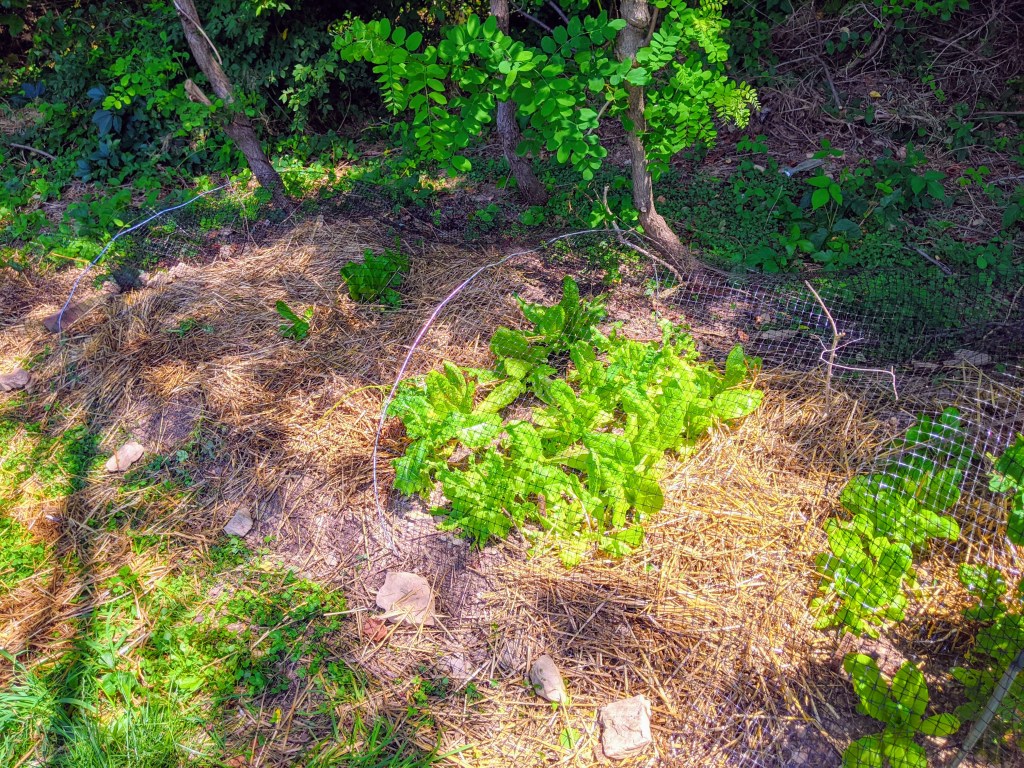
For foliage that you intend to eat or that is growing somewhere you don’t want to smell funky, floating row covers can be a great way to keep four-legged intruders away from your food. Simply put, floating row covers are like putting a tiny fence over top of your crops so that animals can’t access them. Because they completely cover your plants, they don’t need to be too tall, and they can be installed or removed in under an hour.

My floating row covers covering my lettuces, made from 9-gauge wire, deer netting, and zip ties

Though you could use a variety of materials, I constructed simple row covers for my home garden using 9-gauge utility wire, deer netting, and a few zip ties, again all from Lowe’s. While you’re at the store, it’s also worth investing in a good pair of wire cutters. From there, you simply need to cut the wire into 6-10 foot lengths (depending on the width of the rows you want to cover) and bend the wire into semi-circular hoops. The wire is stiff enough that you can push the ends into the ground and the hoops will remain standing, allowing you to zip tie the deer netting over the hoops to form a little tunnel. Just leave enough slack in the netting at the ends of the tunnels and where the netting meets the ground so that you can hold the edges down with either rocks or small sections of wire shaped into a “U” and pushed into the ground. This will prevent your netting from either blowing away or having small animals like rabbits work their way under the edge.

Other Strategies

Sprays and floating row covers are just a couple of tools in your arsenal to help defend against garden intruders. You can also plant flowers like marigolds, which have a strong scent and help to repel deer, along the edges of your gardens. In my experience, hungry enough deer will walk right past marigolds to eat what’s on the other side, but combining deer-resistant plants on the edge of your garden with a physical deterrent like floating row covers can provide a one-two punch that keep deer away.

Regardless of the strategy you choose, it’s worth noting that it’s much easier to repel predators before they develop a habit of coming to your garden for a snack. Once an animal knows that they can consistently find concentrated patches of tasty food in your garden, you’re going to be fighting an uphill battle to keep them from powering through your defenses. However, if you can keep them from ever discovering your tasty treats, then they’re not going to fight as hard to get to them. Come up with a strategy for keeping garden predators away before they become a problem, and you’ll be able to spend your time admiring the local wildlife without cursing them for eating your carrots!

3 Simple Ways to Keep Your Garden from Drying Up while Travelling

Summer is officially here, and as the weather heats up it’s the time of year to start thinking about long weekends at the beach, backpacking trips, and family vacations. All of these things are a great way to connect with friends and loved ones, but they can take a toll on your gardens and potted plants if you’re not prepared. Fortunately, with a little planning, you can keep your plants healthy and hydrated while you’re gone!

Keeping Plants Hydrated

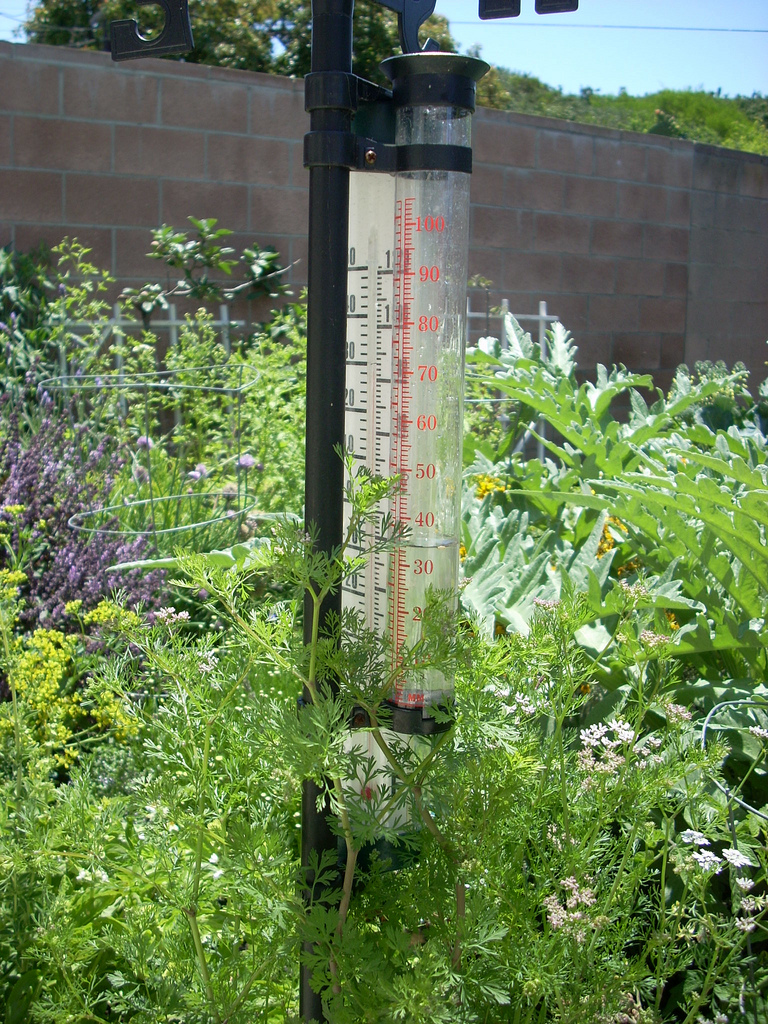
A generally accepted rule of thumb is that vegetable gardens require 1 inch of water per week to thrive in mild weather. When things heat up, they can require even more as the plants wick water out of the ground through their roots and then release it into the air through their leaves in a process called evapotranspiration. This means that if the average temperature is 90 degrees, your plants might require up to 2 or 2.5 inches of water each week between rain and watering. If you expect rain to make up a significant portion of this weekly water total, a rain gauge might be helpful for keeping track of how much moisture nature has provided, allowing you to supplement as necessary with a hose or watering can. However, it is worth noting that your plants will be less stressed if this water can be spread out throughout the week. Generally, I try to make sure my plants get some water at least every two or three days so that they stay consistently hydrated, rather than receiving tons of water one day followed by a week-long dry spell. This isn’t a problem if you’re only leaving for a weekend trip, but when you’re going to be away for a week at a time it can pose some challenges. This is especially true if you’re growing on borrowed land and don’t have permission or the capacity to put in an automatic sprinkler system. Fortunately, you don’t need to spend hundreds or thousands of dollars on an irrigation system to maintain some water in the soil while you’re away from home!

A rain gauge can help determine how much water you need to supplement each week
1) Build Up Organic Matter in the Soil

This first solution isn’t necessarily the most practical if you’re looking for a last-minute fix in the middle of the growing season, but it’s an important idea to keep in mind while prepping your garden beds and amending your soil over time. By building up organic matter in your soil, you can dramatically improve its capacity to hold and retain water, which means that the soil will stay moist for longer periods even without regular rain or watering. In fact, studies have indicated that for each percentage point of additional organic matter in the soil, the ground’s capacity to retain water can be increased by up to 4%. For example, some depleted, neglected soil might only have 2% organic matter. However, a well-maintained, bio-intensive, heavily composted bed might have 8-10% organic matter thanks to the carbon in the compost, fungal and microbial matrices colonizing the soil, and decaying plant matter from decomposing mulch (more on that later). This means that improving the health of your soil could allow it to hold up to 30% more water, which can be a pretty big deal!

Photo by Sippakorn Yamkasikorn on Pexels.com

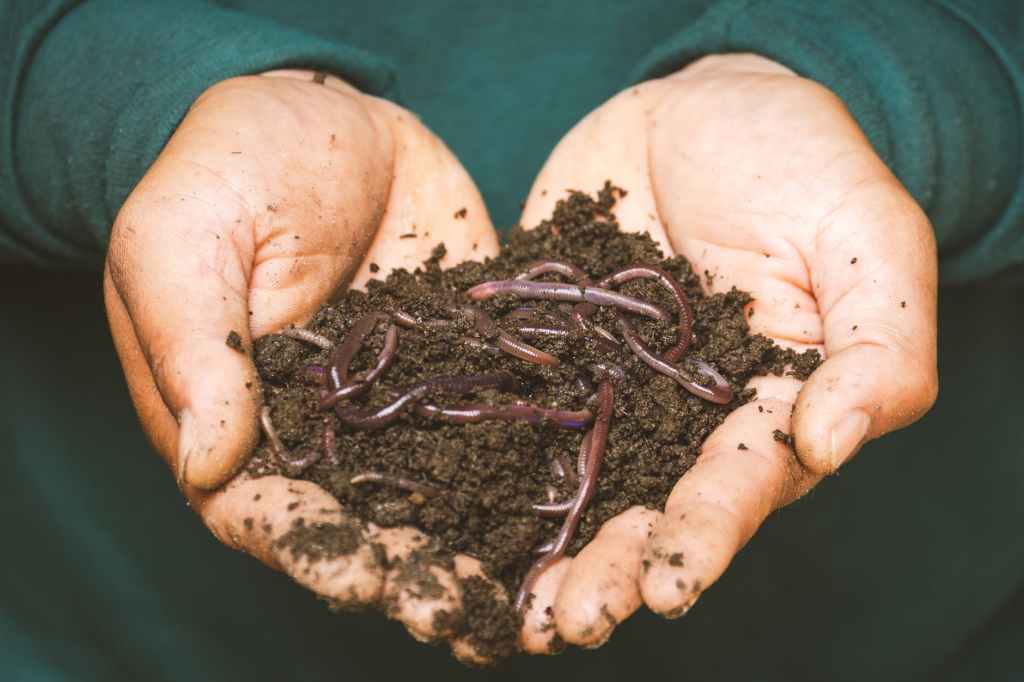
The best way to kickstart the organic matter content in your soil is to incorporate generous amounts of high-quality, organic compost in the beginning of the season and as you plant new crops. This carbon-rich amendment won’t only soak up and hold water for your plants to access, but it will also improve your soil’s structure and feed critical nutrients into the soil for both your plants and the supporting players that live in the ground (think mushrooms, earthworms, and the like). No-till or minimal-till practices will also help to promote these supporting players, as they avoid the disruption and soil inversion that can kill worms, fungi, and helpful microbes living in the soil.

2) Use Mulch to Prevent Evaporation

You don’t usually find exposed soil in nature unless something particularly disruptive like a mudslide or wildfire has just passed through, and there is good reason for that! When sunlight hits soil directly, it can drastically accelerate the rate of evaporation from the soil, causing your garden beds to dry up much faster than they otherwise would. Instead, nature tends to cover the ground either through a mulch of dead plant matter (like leaves on a forest floor) or through a living mulch of low-lying herbs and grasses. With this coverage, the sunlight never makes it all the way to the ground, and so a cooler, damper micro-climate is created just above the earth. We can take a few cues from mother nature here to help our own gardens along!

If you have a deeply cultivated, healthy soil, you can replicate the living mulches found in nature by planting your plants closer together than would otherwise be possible using conventional growing methods. This is because with loose, fertile soil going down 8 or 10 inches into the ground, plants can send their roots deeper into the earth rather than spreading them out in a broad radius just beneath the surface. This means that there is less competition between neighboring plants, and a much denser spacing can be used. Some bio-intensive growers even plant so closely together that the leaves of neighboring plants touch when they are 3/4 grown. If you can make this work in your garden, then there might be minimal need for additional mulching, as the foliage of your garden will prevent sun from reaching the soil. Planting creeping, broad-leafed crops such as squash, cucumbers, and pumpkins alongside taller plants like tomatoes or beans can also help to fill in the empty space in your garden, and as an added benefit the living mulch will prevent wind and water from washing away your hard-earned topsoil!

Sheet mulch, like this straw around my tomato and basil plants, can help retain more moisture in the soil over extended periods of time

However, it’s not always easy to get your plants to grow that closely together right form the start. Additionally, depending on the time of the season when you’re taking your trip, your plants might still be young and only provide minimal shade on the ground. If this is the case, sheet mulching could be your best friend! By putting down a layer of straw, wood chips, or other carbon-rich organic matter a few inches deep in between your growing plants, you can achieve the same effect as a living mulch with only a few minutes of work. In this case, you also glean the benefit of having that mulch slowly decompose into the soil throughout the growing season, increasing the organic matter content of the your garden over time. Plus, sheet mulch can help to prevent new weeds from germinating and taking hold of your garden, which means less time on your knees pulling out unwelcome guests, and who doesn’t love that! Just like our first suggestion, incorporating some form of mulch into your garden won’t mean that you can go weeks without watering it, but it does go a long way in allowing your garden to survive for extended periods without constant maintenance.

3) Tap into your Social Support Networks

Permaculture is about more than just growing food and creating lush gardens. It’s also about providing space for people to gather and work together to create something that benefits both our communities and our planet. This means that you don’t need to do everything yourself! It’s easy in an individualistic society like ours to feel like asking for help from your friends, family, and neighbors is a sign of weakness, but I’ve found that people are almost always happy and eager to lend a hand if you ask them nicely and provide something for them in return!

If you don’t want to be eternally bound to your garden with no opportunity to ever leave during the growing season, then tapping into your social network could be a great way to get the watering done while you’re away. Reach out to a friend a week before you’re leaving and ask them to come over once or twice so you can show them how you water and care for your garden. Then, when it’s time for you to leave, ask them if they’ll swing by every few days and take out the watering can or the hose to keep the garden healthy. If they haven’t done much gardening before, they might be happy to learn how to take care of some plants for the first time, and you might even inspire them to grow a little bit of their own food! Or, if you have a network of friends who are already into gardening, then you can return the favor and water their gardens while they’re away and you’re home. This may seem like an overly simple solution to keeping your plants hydrated, but it’s easy to overlook these solutions in our busy lives. When it comes time to harvest, just don’t forget the people who helped you out along the way, and offer them a few tomatoes or a homegrown salad so that they can share in the bounty that they helped to create!

Photo by Helena Lopes on Pexels.com
Final Thoughts

This list is obviously far from all-inclusive when it comes to creative solutions for getting water to your plants without your direct involvement. Sprinklers with irrigation timers do exist, and they can be very handy if you’re operating a more commercial operation. Likewise, little plant-watering globes can be a good solution for keeping potted plants and houseplants supplied with water while you’re gone. Shade cloth can be hung above beds to shade out the worst of the summer heat and further reduce the need for excessive watering, and I’m sure you can think of several other options for your unique circumstances. Regardless of the solutions you choose, forethought and a little bit of planning can go a long way in freeing you up to travel throughout the summer, and your plants (and stomach!) will thank you for all the hard work and intentionality when it comes time to harvest your delicious crops!

3 Ideas to Grow Food While Renting

Growing Food without Land

If you rent a townhouse, apartment, or any other type of property that doesn’t come with access to your own land, you may have felt discouraged when it comes to growing your own food. After all, how are you supposed to replicate those massively productive raised garden beds you see on YouTube when you don’t even have a patch of dirt to work with? Fortunately, renters, students, and anyone else with limited outdoor space still have several great options to experience the joy of growing their own food and eating fresh, organic meals that they produced themselves. In this article, I want to lay out 3 ideas, from the most accessible to the most ambitious, to help inspire you to start growing right now, no matter your living situation.

1) Growing on Windowsills

Any building in the US that is up to code is required to have, at the very least, a window in the bedroom large enough to allow escape during a fire. This means that almost everyone reading this should have at least one source of natural light in their home that can be harnessed to grow plants! Though you might not have a ton of space or a ton of light to work with, the windows in your home are an easy place to start growing some of your own food!

Photo by Lum3n on Pexels.com

That said, there are a few things to keep in mind when growing in windows. First of all, you’re going to want to think of the orientation of your window and how much sun it gets throughout the day. South-facing windows get the most sun, and north-facing windows get the least (at least if you live in the northern hemisphere), but in almost all cases there is going to be less light coming through a window than what you would get outside. Because of this, it’s going to be very difficult to grow full-sun-loving plants like tomatoes, cucumbers, and most vegetables indoors unless you want to supplement with grow lights. In my opinion, windows are much better suited to part-shade tolerant plants like leaf lettuce, thyme, German chamomile, mint, parsley, and chives. Another option is to grow microgreens, which are nutrient-packed baby plants similar to sprouts. There are plenty of videos on YouTube about growing microgreens, but I think this video is pretty good at covering the basics.

Because of the limited space and light provided by windowsills, it’s unlikely that you’re going to grow enough food there to be able to stop going to the grocery store, but remember that that’s not always the point! Even growing one or two herbs allows you to start building skills related to sustainability and food production, and I can say from personal experience that brewing a cup of mint tea you grew yourself can be just as satisfying as harvesting bushels of tomatoes!

2) Growing in Containers

If you’re lucky enough to have an apartment with some outdoor space like a patio, a porch, or even a relatively flat roof, then container gardening could be a great way to start increasing the volume and diversity of food you can grow! Container gardening is great because it doesn’t require you to make any permanent changes to the space you’re growing on. Instead, you simply gather together some old pots, some good potting soil, and some seeds, and you have a mobile garden that can even be brought inside during cold snaps or inclement weather! Because you’re not digging in the ground, your landlord is almost guaranteed not to mind, and you’d be amazed at the abundance that can come out of an 18-inch planting pot.

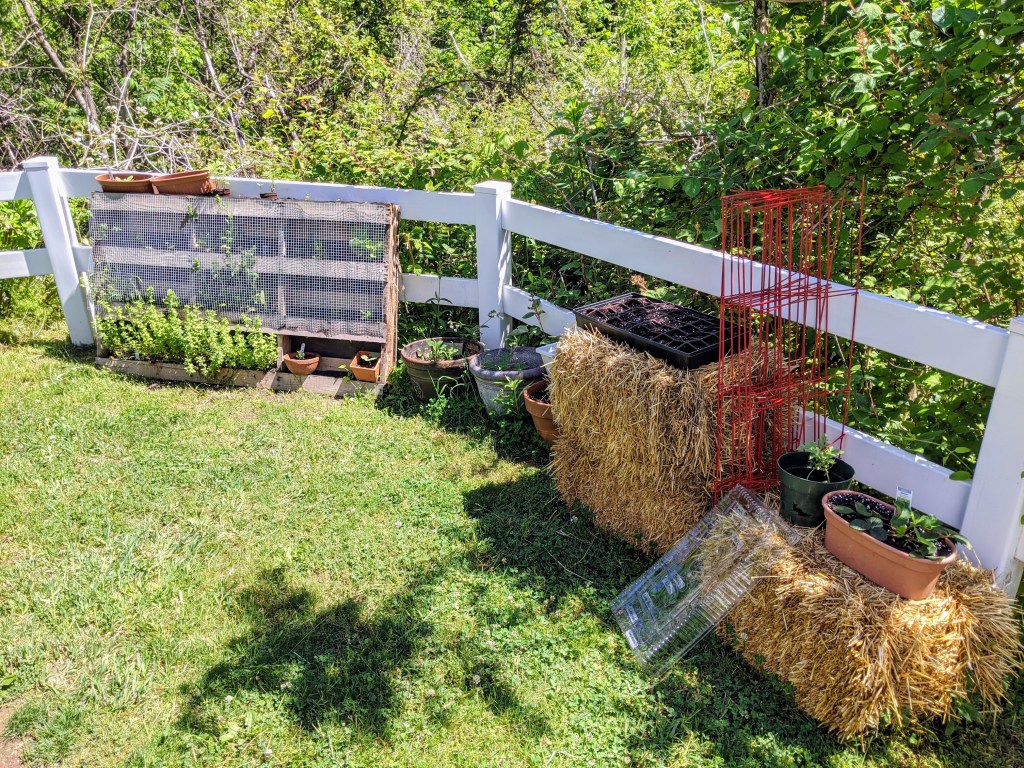
My collection of container plants outside of my apartment

Helpful in this endeavor is the fact that many seed companies have even started offering specific varieties of popular vegetables that are bred to perform well in containers! Check out this collection by Johnny’s Seeds for dozens of examples. Everything from tomatoes to bush beans to bouquet flowers and even small carrots can be grown on a porch for just a small investment. My tips are to just make sure that you choose a large enough container with drainage at the bottom and don’t skimp on good quality organic potting mix. Otherwise you’re liable to find yourself fighting with plants dying because they’re either always flooded or constantly drying out!

3) Growing on Borrowed Land

Depending on how introverted vs. extroverted you are, this could either be the most exciting or the most intimidating option of the three ideas I’m sharing today, since it will always involve coordinating, at least a little bit, with somebody else. That said, if you don’t own your own land, getting permission to grow food on somebody else’s property can often be a major first step towards growing enough food to feed yourself (and maybe even having some left over to sell)!

The good news is that oftentimes, as long as you are respectful and tidy, other people will be happy to let you garden in their unused spaces. With as busy as the world can be, there are plenty of people out there who would love to have flowers and vegetables growing in their backyard but just don’t feel like they have the time to get out and grow on their own. If you can develop a relationship with these people and are willing to share a bit of your harvest with them, chances are you can get permission to grow for free! Consider reaching out to friends, family, your church, any clubs or organizations to which you might belong, and even your landlord. If you start asking around, you can almost always find someone with an overgrown corner full of weeds that they wouldn’t mind seeing cultivated (check out our article on rehabilitating a patch of weeds into a permaculture garden)!

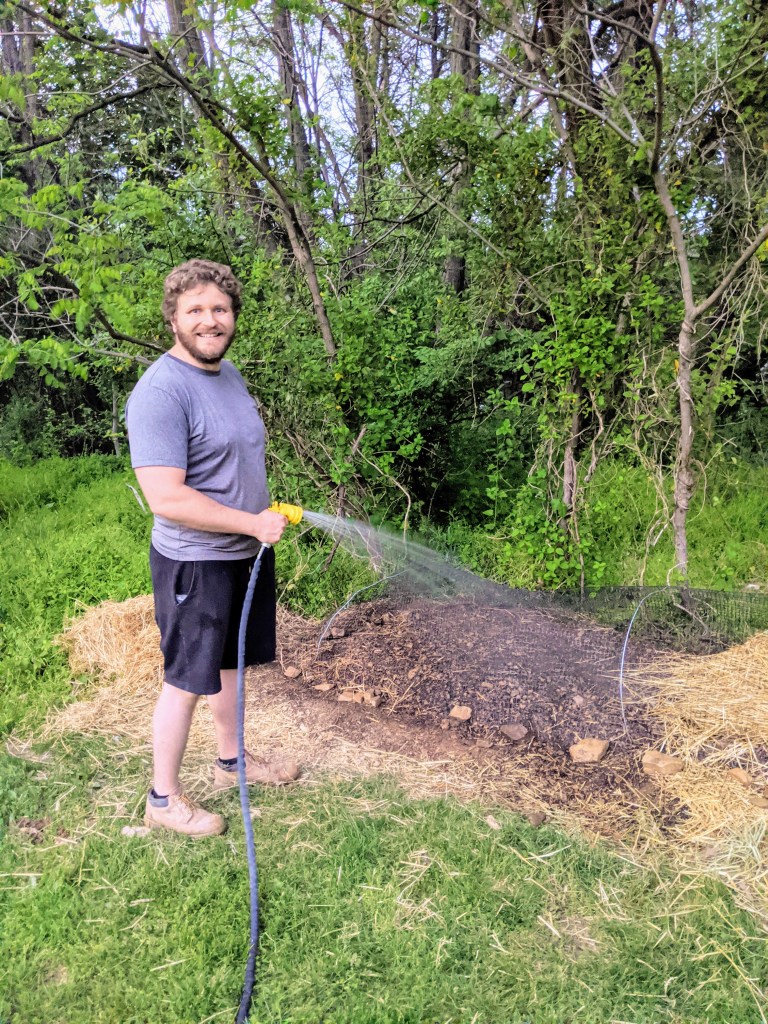
Me gardening along the back edge of my apartment complex

A couple tips if you choose to pursue this path: first, start small and make sure you can handle everything you start. Nothing will deteriorate your relationship with a landowner faster than you digging up too much space, getting in over your head, and then leaving them with a muddy mess to clean up after you quit. A 10 foot by 10 foot bed is plenty to get started with some simple planting, and you’ll be able to pull out pounds of produce from a plot of that size. If you start small but do a fantastic job, chances are good that other people will come to you and ask you to put beds in on their property. Do this long enough, and you can even grow a small business of farming on borrowed land!

My second tip for getting permission to grow on someone else’s land is to show a sign of good faith to the owner first. If your apartment complex has a bunch of litter laying around, clean it up before asking your landlord to put in a garden bed. Offer to help a neighbor rake leaves or pull weeds before asking them if you can grow tomatoes along their fence. These little gestures might not seem like much, but it helps you to build trust with someone you’re asking a favor from, and trust is the key ingredient when it comes to sharing resources.

Final Thoughts

Undoubtedly there are challenges to growing food when you rent, rather than own, a property, but in the end these are only opportunities to be creative and try something new! If you get excited about the idea of harvesting your own fresh herbs or the thought of mixing up a homegrown salad, don’t put off growing food until you own your own land! There are plenty of ways, both big and small, to use the resources that are already available to you, and even a tiny step in the direction of self-reliance and sustainability has the power to transform how you think about food, the environment, and the future of our communities!

How to Prepare for a Food Shortage

5 Permaculture-Inspired Strategies to Always Have Food, No Matter What

With news floating around about food packing plants shutting down and potential meat shortages related to COVID-19, it’s natural to begin questioning how secure your food really is. Whether you’re facing empty shelves at the grocery stores or just looking to be better prepared for future emergencies, permaculture offers a few strategies that can help ensure you always have food on the table. Keep reading for 5 permaculture-inspired tips to prepare for a food shortage and gain some valuable skills along the way.

1) Join a Local CSA

Those familiar with permaculture are likely already aware of the CSA model and how it can help support local food producers while reducing food miles and waste. However, when national food supply chains begin to be disrupted, CSAs can also be a great way to guarantee access to fresh fruits, veggies, meats, and much more, year-round.

Photo by ready made on Pexels.com

A CSA, or Community Supported Agriculture, is a crop-sharing model with benefits for both farmers and customers. In a CSA, you pay a fixed price to a farmer at the beginning of a growing season, and in exchange you receive a pickup (usually weekly or bi-weekly) of fresh food all throughout the year. What is included in your CSA pickup will vary depending on what is being harvested at the time, but you will always receive a collection of new food to last you until your next pickup. For example, if you join a CSA for veggies you would pay one price for the whole season in the spring. Shortly afterwards, you could expect to receive baby mixed salad greens, green onions, baby turnips, and radishes. Then in the fall, you might be picking up potatoes, squash, broccoli, and cabbage. Each CSA will be a little different in how they schedule things throughout the year, but it’s a fun and exciting way to add a little automated variety into your grocery list. Plus, you’ll meet like-minded people (not to mention your farmer) each week when you pick up your food!

CSAs are available for everything from fruits and veggies to meats, cheeses, eggs, mushrooms, herbal medicines, and much more. Even if you live in a city, there are organizations like the Lancaster Farm Fresh Co-Op that help to connect you to more rural farms and keep your pantry stocked with organic, seasonal produce. Just do a quick Google search for “CSAs in my city” and you’ll be surprised at the number of results you find!

2) Shop Local and Meet Your Farmer

When you need to pick something up that’s not included in your CSA, always try to shop locally from farmer’s markets, local grocery stores, and mom-and-pop shops. When national and global supply chains are rocked by unexpected events like the Corona Virus, it’s the giant meat packing plants that shut down, not your hometown farmer. By shortening the path your food takes to get from the farm to your table, you reduce the number of points where something can go wrong. Not only does this mean you’re less likely to see a drop in supply when food from giant processing plants on the other side of the country shut down, it also means you’re helping your neighbors who own or work at small businesses to keep their doors open in the long run. This means your food supply will be more resilient and adaptable in the future.

Looking to permaculture’s emphasis on connections and community, this also means that you’ll have more of a chance to meet and become friends with the people who provide the food you eat. Anyone who has tried to call customer service for a national company knows how frustrating it can be to try to find a real human who cares about your problems and can actually do something to fix them. Compare that to the process of calling a local butcher you’ve been going to for years, or chatting with the farmer you see each week at the local market. If I was worried about running out of chicken breast and I was looking for alternatives, I’d rather talk to my butcher than the manager of the local Walmart every day of the week.

3) Learn to Cook More Whole Foods

Over the past few decades, Americans have become more and more reliant on other people preparing their food for them. The Governor of Pennsylvania stated in a recent press conference that before the quarantine, over 50% of the meals eaten in PA were from a restaurant. Now that restaurants are closed or limited to takeout, many people are forced to cook for the first time. While many people might turn to frozen meals and pre-prepared foods as a solution, these items might disappear if the factories that produce them need to shut down. The best way to make sure you can eat regardless of what’s available to you is to learn to cook whole foods for yourself.

Photo by Lukas on Pexels.com

Fortunately, the internet is packed full of blogs and YouTube videos teaching you how to break down and use every piece of a whole chicken, how to stir-fry your own fresh vegetables, and even how to make your own yogurt and cheese. Cooking is a lifelong skill that takes some practice to develop, but having that skill pays huge dividends when things get tight. Not only will learning to cook from scratch allow you to adapt to whatever might be for sale at the farmer’s market or in your CSA basket, but it will also save you a ton of money and put healthier, less processed food in your belly.

4) Learn to Forage

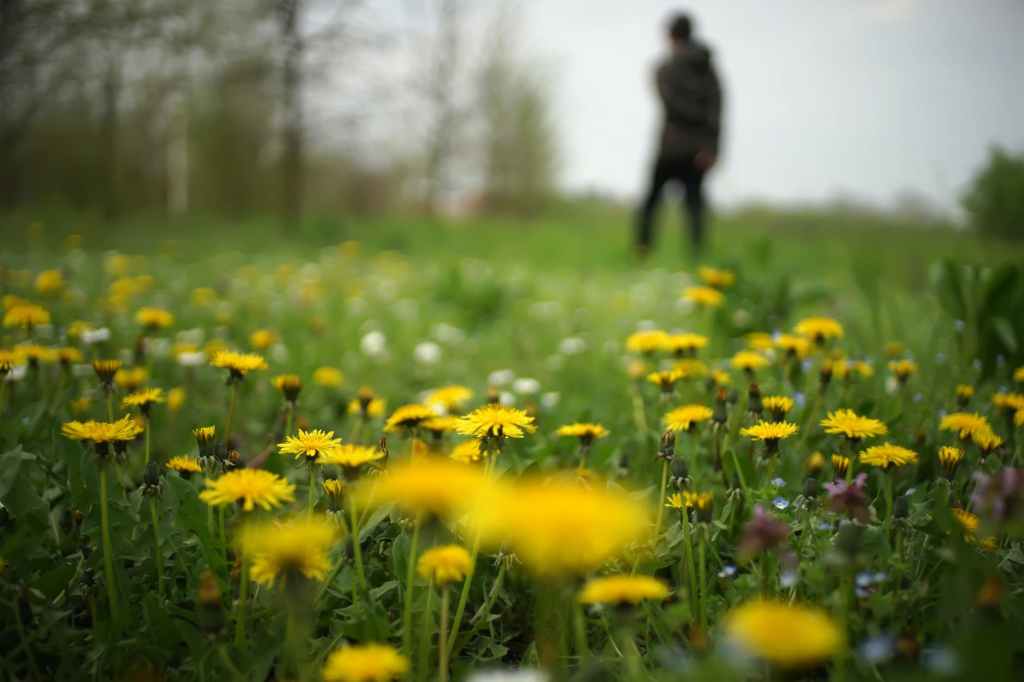
Pick up a guidebook on foraging, and you’ll be amazed to learn just how many wild plants (including many “weeds”) are edible and even medicinal! After I got settled in my new apartment, I started to get curious about the plants that grew along the edge of the building, near the sidewalk, and in the small patch of woods a short walk away. Within minutes I had discovered wild garlic mustard, mayapple, dead nettle, and dandelion, all of which can provide food and medicine! Dandelion alone can be eaten in a salad (the leaves), brewed into a detoxifying tea (the root), and even fermented into wine (the flower).

Photo by photokip.com on Pexels.com

The great thing about foraging is that you don’t need to invest anything besides your time and effort. Just find a reputable source (there are plenty of online resources for free) and start identifying what’s already growing around you. Nature is incredibly abundant, maybe even more so now that pollution is clearing due to the world being locked down, and many wild plants are literally begging to be picked and eaten. That’s what spreads their seeds and helps them reach new areas! Make sure you properly identify anything before you eat it, as there are some plants out there that are poisonous and can hurt you if you eat them, but don’t let that discourage you! If you need some help identifying something, just join an online community like /r/foraging and you’ll be on your way to eating new plants you never even new were growing right outside your door!

5) Grow Your Own Food

One of the most effective ways to have control over the food you can access is to grow food yourself. This doesn’t mean you need to go plant your own field of corn or start a pumpkin plantation; just get started and grow something! If you have a windowsill that receives some sunlight, chances are you can grow herbs and some salad mix. If you’re in an apartment and you’re feeling adventurous, grow some micro-greens to have a stock of nutrient-packed super foods at the ready.

They say that the best time to plant a tree is 10 years ago, and the second best time to plant one is today. The same goes for growing your food. Planting seeds today might not solve all of your food problems next week, but it lays the foundation of self-reliance and a connection to the origins of the food that fuels your body. Many of the same skills that go into growing basil in a window box are the same skills that go into managing a quarter-acre vegetable plot. Master the basics in whatever ways you can, at whatever scale you can, from right where you’re at today, and you’ll be taking the first step in a lifelong journey of planning, planting, growing, and harvesting your own food.

Final Thoughts

As with anything, learning the skills and making the connections to grow closer to your food is a process that takes some time. Some things, like joining a CSA and shopping locally, can start putting food on your table by tomorrow. Other things, like growing and cooking a meal, might take some time to learn and implement, but they’ll pay off for the rest of your life.

Undoubtedly it’s a scary time when we start to worry whether we’ll be able to feed ourselves and the ones we love, but I hope that by following these 5 tips, you’ll begin a journey that empowers you to overcome any food shortage while developing a closer relationship with nature!

Creating a Suburban Permaculture Garden

Gardening on a Rental Property

When you live in a suburban apartment complex like I used to, it’s easy to write off the possibility of starting an outdoor garden. After all, I only had about 10 square feet of garden that was “officially” mine in front of my house, and I was one of the lucky ones. Plenty of people living in apartments don’t have any outdoor space at all, so I guess that means the dream of an herb garden will need to wait until you move into a property with a yard, right?

Not so! While it’s fun to dream about the raised beds and chicken runs we might build when we have more space in the future, there are often neglected spaces near where we live that could be “rehabbed” with a couple of hours and some TLC. In this article, I want to show you how I converted a patch of thorny weeds that no one cared about into a “forever home” for my sage, rosemary, thyme, and a few flower bulbs. Learn these skills, and you’ll be able to grow on the neglected edges that abound in suburbia.

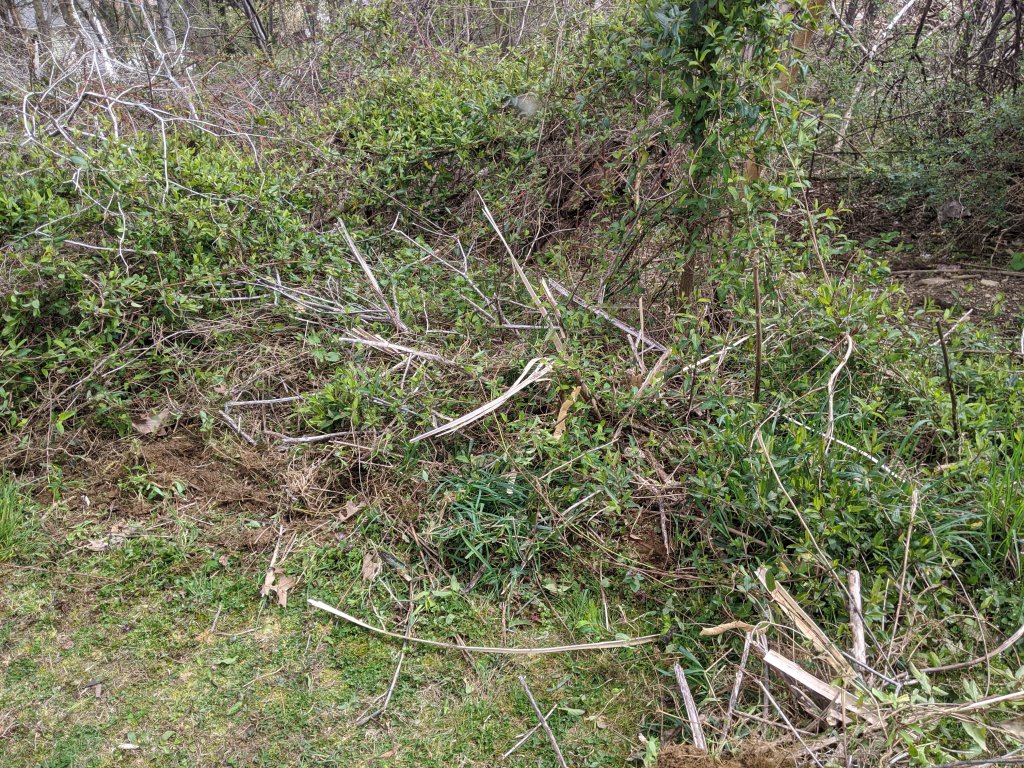
The patch of sticker bushes I chose to turn into an herb garden

Choosing a Site for Your Garden

The first step in growing your suburban edge garden is to select a spot in need of some love. The edge of a woodlot or the back corner of a development is often a good place to start looking. Areas with low foot traffic will reduce the likelihood that your garden will be disturbed, especially if you don’t have exclusive rights to the area you’re working on. You’ll also want to keep in mind factors like the amount of sun the site receives, how water will flow across the site, and any animals that might come to visit, as these can all influence the types of plants your garden will easily support. The closer you can keep it to your apartment, the better, as you’ll probably be carrying a watering can to the site several times per week when the weather gets dry. I was lucky to find this patch of weeds just a few yards from my back porch which receives full sun from sunrise until about 2pm in the summer.

Clearing Weeds

The next step is to clear the weeds and vegetation from your site. Depending on what’s growing, this can be done relatively easily with a good pair of work gloves, a shovel, and a rake. There’s no need to totally clear your site; if there’s a sapling or some other stubborn vegetation in the area just leave it. Chances are it will help hold soil and moisture in your garden while your plants get established. The same goes for weeds and shrubs near your garden. The plants you are pulling out of the ground grew there for a reason, and if you’re overzealous in clearing out everything in site, you run the risk of deteriorating the soil that these “weeds” were protecting. Also, don’t throw out the material you clear, as you can use it for either mulch or fill later in the project.

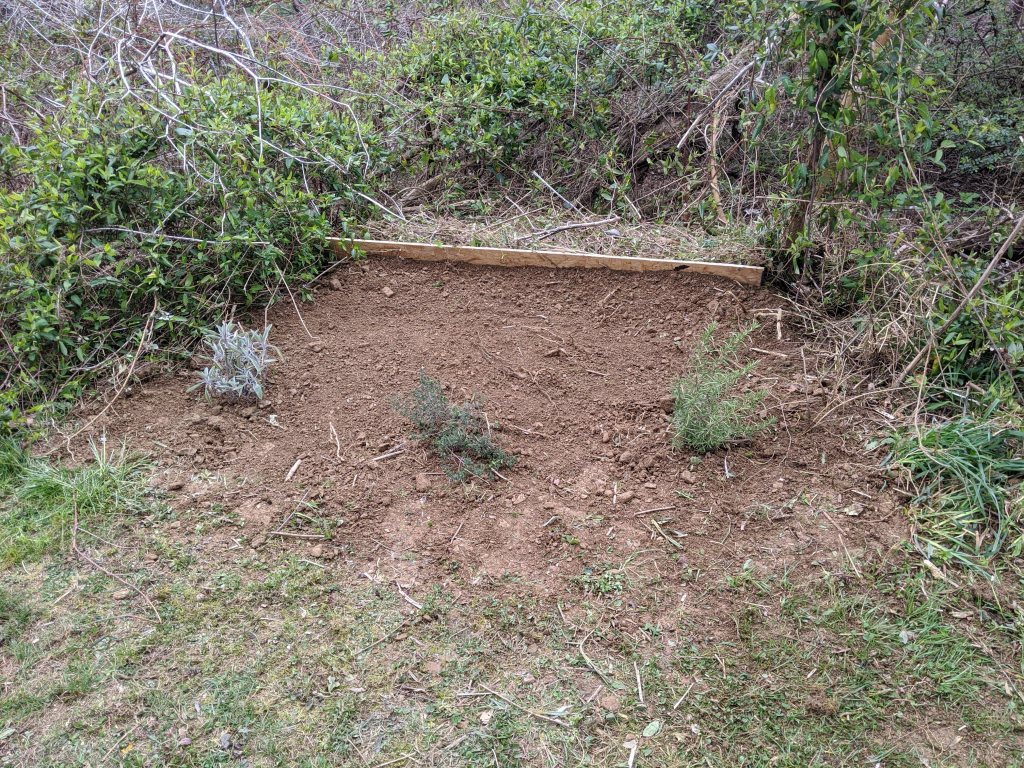
My newly cleared garden bed
Cleared plant matter can be a useful fill or mulch

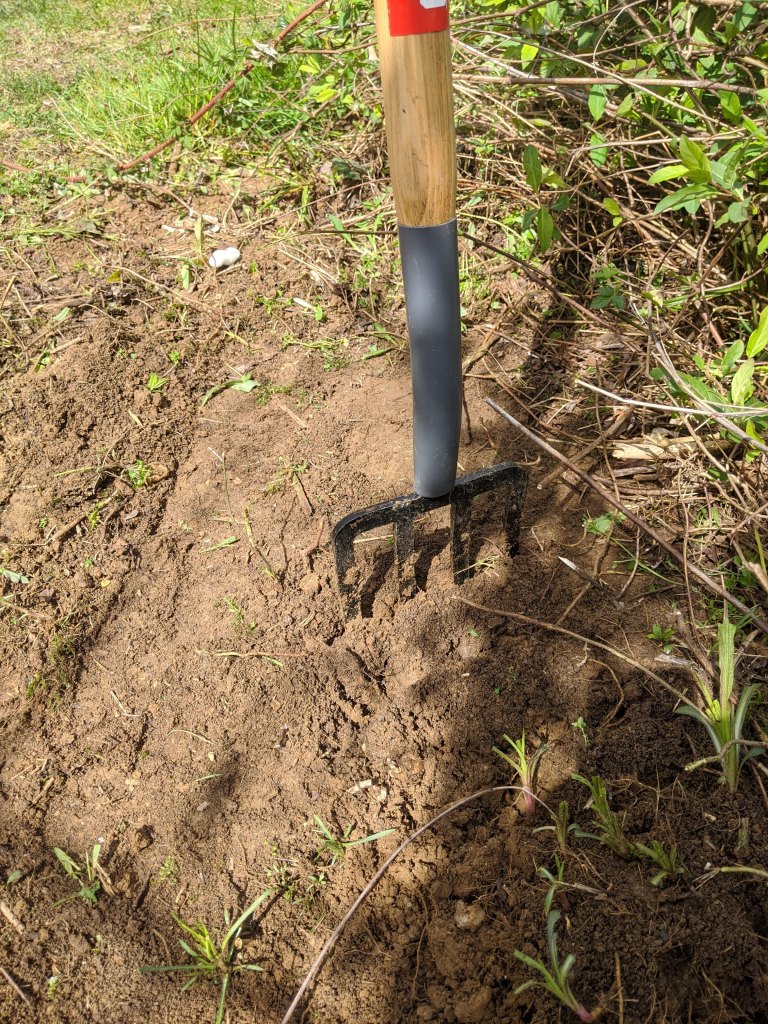
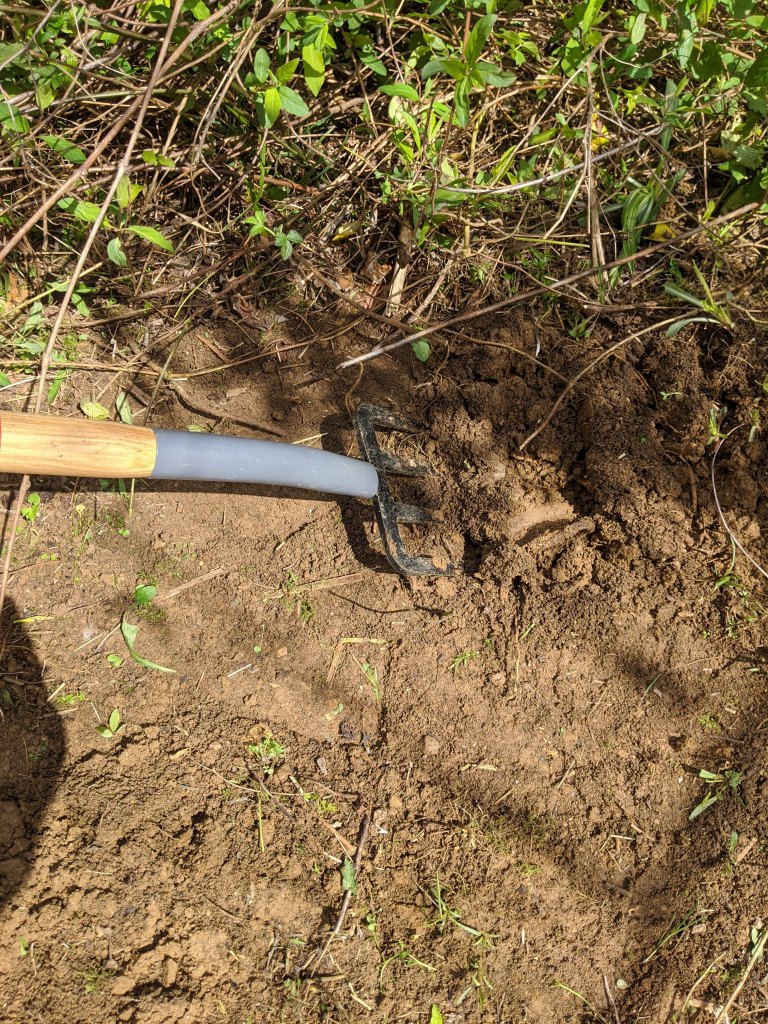
Loosening Soil with a Ground Fork

After the vegetation is clear, you’ll need to loosen the soil. Disrupted ground like you’ll find on the edge of developments is often compacted from the heavy earthmoving equipment used during construction, so breaking up the soil will make it much easier for your plants’ roots to thrive. The easiest way to do this is to use a groundfork or a pitchfork. Simply pick a spot, wiggle the fork into the ground until the tines are buried, and then press down on the handle to “lift and drop” the soil back into place. You’re not trying to turn the soil over, as this can disrupt the organisms that keep the soil healthy. Just break the soil open, then move back a few inches and repeat the process until the entire site has been loosened and the soil is relatively fluffy. If you have access to compost, this would be a great time to spread it over the garden so that it is worked into the soil as you loosen the ground.

To loosen soil with a groundfork, start by wiggling the fork into the ground until the tines are in.
Once the tines are sunk in the ground, press down on the handle to “lift and drop” the soil in place.

Planting Herbs

At this point you’re ready to put your plants in. I used some herbs that had survived the winter in my herb box, but you can use anything that grows well in the conditions in the bed. Do a bit of research to find what plants will thrive in the light levels that you have, and you’ll avoid a lot of struggle and disappointment. I used a spade to dig out an 18-inch wide hole and filled it with potting soil before plopping my plants in, just to give the transplants a head-start with nutrients.

Rosemary, Thyme, and Sage planted in the herb bed

Spreading Mulch

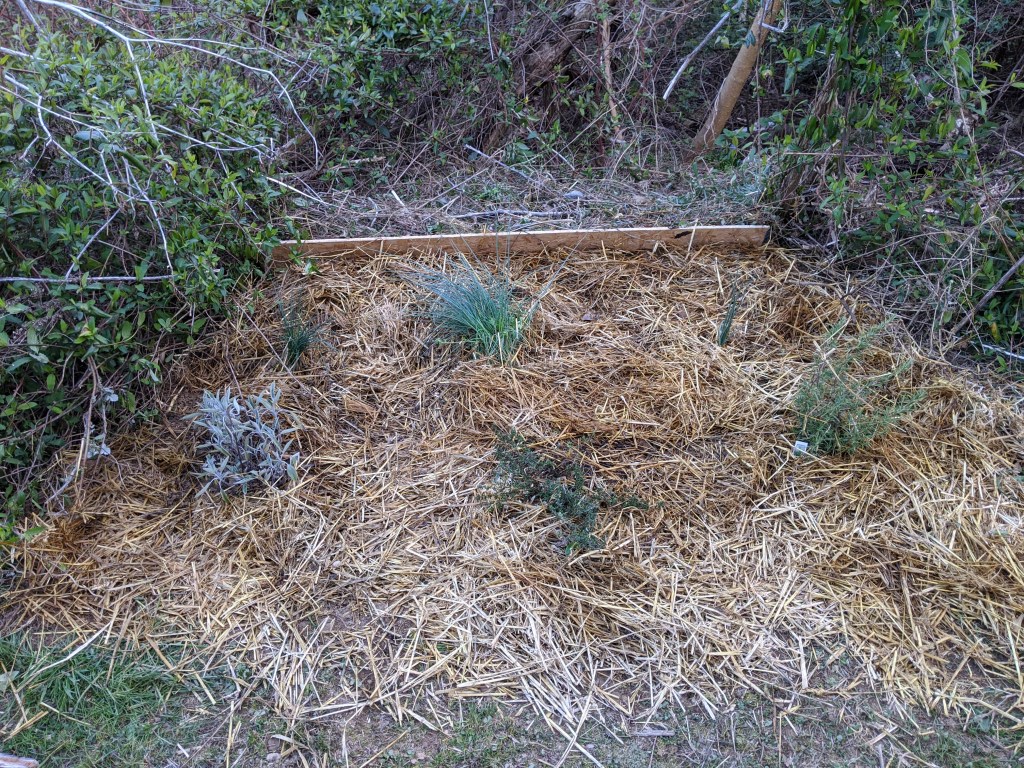
At this point you’re almost done. Add some mulch around your new plants to hold in moisture and prevent erosion of your newly-fluffed soil (you can scatter the vegetation you cleared earlier as long as you don’t mind some weeds re-establishing), and you’re off to the races. Give everything a good watering, and step back to admire the difference you’ve made! Keep things moist, particularly when the weather gets hot, and your plants should take to their new home like a pig to mud!

Finished, mulched herb garden where before there were only weeds!

What is Permaculture?

A Permaculture Definition

Whether this is your first time hearing about permaculture or you’ve been working with the framework for years, a perennial challenge is trying to answer the question “What is permaculture?” Chances are that everyone you ask about permaculture will give you a slightly different definition, but I hope that by sharing a little history and a few universal principals, I can help you begin to flesh out your own definition.

Permaculture is a Design Process

To start, let’s be clear about what permaculture is not. Many newcomers think that permaculture is a specific gardening or farming technique. While food production and growing techniques have always been an integral part to the permaculture story, to me it is only one part of a more comprehensive whole. In actuality, permaculture is about assembling a collection of techniques and elements, through a repeatable design process, to build earth- and people-friendly systems. Permaculture is a framework that guides people through designing and building better life-sustaining systems. The specific techniques used will depend on many factors (for instance, the specifics of irrigation systems used in the desert versus a tropical rain forest might look very different), but permaculture will provide a set of guidelines for maximizing the use of on-site resources regardless of the climate that you live in. That is the main reason permaculture can be applied to any living situation, workplace, climate, or set of challenges.

The Origins of Permaculture

But where does this design process come from? What makes the permaculture design process different from the process that might be used by a traditional “Western” site planner to build a suburban housing development? Part of the answer to this question can be found in the origins of permaculture. The story as it has been passed on to me is that in the 1960s, a pair of Australians named Bill Mollison and David Holmgreen became alarmed at the rapid environmental deterioration, species extinction, and seemingly endless consumption of industrialized societies. This pair began to question why, after thousands of years of living in harmony with nature, humans had suddenly started inflicting such a heavy toll on the earth and what, if anything, could be done to change this destructive trajectory. With this question in mind, they began travelling the world, visiting with indigenous groups from many different climates, cultures, and histories to try to understand what they did differently than those of us in “The West.” The distillation of their findings was presented in the book Permaculture One, where they laid out a set of three ethics and 12 design principles held in common throughout all cultures living in harmony with nature, regardless of their geography. It is adherence to these three ethics and 12 design principles that distinguishes permaculture from other design frameworks.

A copy of Permaculture One, the first book published outlining what would become the permaculture design process

The story of the origins of this framework also offers some insights into the genesis of the term “permaculture.” Initially, the word was a shortened form of “permanent agriculture,” referring to systems of food production used by indigenous peoples that restore, rather than deteriorate the ecosystems in which they are situated. Over time and into the 1980s and 90s, however, it became more and more apparent that it was impossible to look at sustainability and environmental regeneration only through the lens of food production. If we are truly to build a future where the earth can provide for humans for as long as our descendants are on the planet, the ethics and principles of permaculture would need to be applied to all aspects of human life. Consequently, “permanent agriculture” evolved into “permanent culture” and began to incorporate the integration of all human needs, from food to medicine to artistic expression to spirituality and community building. It is this legacy that we inherit in permaculture today, as permaculturists work to understand everything that goes into building a sustainable, fulfilling, beautiful human life, regardless of where we put down our roots.

The Three Permaculture Ethics

Permaculture is a design framework that seeks to observe the synergies, resilience, and sustainability found in nature and apply those principles to human life. But what are the three permaculture ethics and the twelve permaculture design principles? The three ethics are Earth Care, People Care, and Fair Share. In short, Earth Care refers to being good stewards of our planet and regenerating the health of natural ecosystems through the actions we take and the systems we build. People Care guides us to take care of humans and all of their needs, from the most fundamental like food and shelter, to the aesthetic and spiritual. Rather than viewing humans as a scourge on the purity of nature, permaculture sees the potential for humans to work as part of nature to enrich our lives and the lives of the species around us. The third ethic, Fair Share, alludes to the fact that a well-designed permaculture system should be capable of producing an excess of abundance beyond what is needed for the survival of the individual who created the system. This excess should be shared with the community, and it highlights the idea that a truly sustainable system must be economically as well as ecologically viable.

The three permaculture ethics. Photo credit: John Englart, Creative Commons

The Twelve Permaculture Design Principles

These three ethics are backed up by twelve design principles that guide a permaculturist in building systems, landscapes, and communities that are greater than the sum of their individual parts.

The twelve permaculture design principles are:

  1. Observe and Reflect
  2. Catch and Store Energy
  3. Obtain a Yield
  4. Apply Feedback
  5. Utilize Renewable, Rather than Finite Resources
  6. Produce No Waste
  7. Start Designing with Patterns and then Move to Details
  8. Integrate rather than Separate
  9. Favor Slow and Small, Rather than Dramatic, Interventions
  10. Utilize Diversity
  11. Value Edges and Transitional Spaces
  12. Utilize and Respond to Change

Different books and resources may word these principles slightly differently, may combine multiple principles into one, or may add additional principles, but I think it’s safe to say that any permaculturist would recognize and identify with these ideas.

Building Your Own Definition of Permaculture

So is there a universal, one sentence answer to the question “What is Permaculture?” Probably not. To me, permaculture is a way of thinking and living that evolves with time based on your circumstances, your resources, and the individual nature of your spirit. The three ethics and 12 design principles form the basis of the design framework, and I think fleshing out the rest of the details is half the fun of permaculture. This process is a lifelong journey that will likely go through many iterations and adaptations depending on where you live and what you hope to accomplish. But just like the ecosystems we live in, it’s the ethereal, ineffable quality of this pursuit and the places it takes us throughout our lives that gives permaculture such beauty, intrigue, and enduring meaning.