Permaculture design is founded on the basis of 12 key design principles (See What is Permaculture for a full list). No matter where you are in life, what resources you have available, and what lifestyle you live, these 12 design principles provide a framework for solving problems, working with nature, and creating spaces that are resilient and adaptive. In this series, I will go through each of the 12 permaculture design principles, explain what they mean, and share some ideas about how they can be applied to someone beginning a permaculture journey while living in a rented apartment. Check in over the coming weeks to learn about each of the principles and gain new ways of thinking about the spaces you create, wherever you might live!
Permaculture Design Basics 12 – Utilize and Respond to Change
As we get to the twelfth and final permaculture design principle – Utilize and Respond to Change – we reflect on a lesson that is very appropriate for my final post of 2020. Coming out of a year that has been defined by change and unexpected events, from the emergence of COVID to series of lockdowns, quarantines, and the development of a “new normal,” we are reminded of the fact that the only thing constant in life is change. The same is true in permaculture design, and by working with change rather than against it we can find a more harmonious existence with the world around us.
Cyclical Progression & New Beginnings
It can be easy at times to view progress as a linear process. We observe our surroundings, seeking to understand the many systems at play, and eventually we enact a change that we hope will bring about a more bountiful future. In that moment of action, we welcome the changes we planned for and expect. However, nature and our lives are not dead, static systems, and the changes we make are never truly permanent. Time will always do its work and introduce new challenges and opportunities. Our job as permaculture designers is to work creatively and constructively with this change to continue the work of regeneration and to steward our dynamic environment as it morphs and evolves alongside us.
Change is an inevitable and potentially exciting aspect of all living systems. Photo by Alexas Fotos on Pexels.com
It makes sense that this is the last of the twelve permaculture design principles, because it highlights a completion of the design cycle and a return to the first principle – Observe and Reflect. When change manifests in your designs, it is not a sign of failure in creating a permanent solution. Rather it is simply an indication that the time has come for you to reevaluate the system, learn about it even more deeply, and find ways to make it even better. This might mean modifying or expanding the things that have worked, and it might mean letting go of the things that no longer serve a purpose.
Ecological Progression as a Model for Constructive Change
Ecological progression is a natural source of inspiration for this principle. You can think of a mountainside that has just been burned by a terrible forest fire, reducing it to ashes and raw earth. This state might last a season or two, but very quickly grasses and fast-growing shrubs will appear and create a new ecosystem home to small animals like rabbits and foxes. Then, some adventurous tree species like birches might appear and begin to poke their way up from the underbrush. Eventually they grow and shade out the forest floor in patches, changing the ecosystem so that grasses die back. As the grasses die back, even larger, more slow-growing trees like oak trees can begin to take root, and over a few decades, the oaks will grow to shade out the birches and create an old growth forest. This mature ecosystem might remain relatively stable for hundreds or years, but even within these time frames the animals and plants that compose the forest will flux and shift. Eventually, given enough time, another fire will burn through and the cycle will repeat. None of the states lasts forever and change is constant, but each step plays an important role that sets the stage for the next progression.
Forests and all other ecosystems go through a natural cycle of change and rebirth that keep things vibrant, bountiful, and resilient. Photo by Pixabay on Pexels.com
Working with Change
The same is true in the systems we inhabit. Whether we’re talking about a backyard garden, a career, or a community, both expected and unexpected changes are an inevitability. The role of the permaculture designer is not to lament these changes and resist them, but rather to find the ways in which these changes set the stage of the next cycle of life. This the the archetypal process of death and rebirth, and though it is human nature to mourn the loss of things we once held dear, times of change can also be the most exciting, as things that were previously impossible become possible if we simply open our eyes and look.
Utilizing Change in an Apartment
If you’re living in an apartment or other rented space, change might take place more rapidly and more often for you than for those living their entire life on a single plot of land which their family has owned for generations. You might get a new landlord, move, get a new neighbor, or encounter some new rules. Any one of these changes has the potential to disrupt your plans for practicing permaculture, but they can also be catalysts for growth. You might move to a new home that doesn’t have any outdoor space, which changes your plans for a garden, but that might be the first step in encouraging you to work with a local church or organization to start a community food garden. The goal is to adapt and keep an eye open for new possibilities, and you’ll start to understand that your permaculture journey is strengthened, rather than set back, by new challenges.
Tying It All Together
The final permaculture design principle brings us right back to the first, reminding us that while change is inevitable, it simply marks a new beginning. Rather than striving to keep things the same forever, permaculture designers flow with the waves of change that life brings about to find a path forward, no matter how many twists and turns might be along the way.
Permaculture design is founded on the basis of 12 key design principles (See What is Permaculture for a full list). No matter where you are in life, what resources you have available, and what lifestyle you live, these 12 design principles provide a framework for solving problems, working with nature, and creating spaces that are resilient and adaptive. In this series, I will go through each of the 12 permaculture design principles, explain what they mean, and share some ideas about how they can be applied to someone beginning a permaculture journey while living in a rented apartment. Check in over the coming weeks to learn about each of the principles and gain new ways of thinking about the spaces you create, wherever you might live!
Permaculture Design Basics 11 – Value Edges and Transitional Spaces
Uniformity Versus Transition
When we design solely with the goal of simplification and neatness in mind, we tend to create systems that look like big, uniform blocks that function the same way throughout. A rectangular field spaced a respectful distance away from any neighboring trees and planted with nothing but corn is an example of this type of design. On one hand, it makes it simple to run calculations and predict the outcome of this system: one acre of corn will require X pounds of seed, Y tons of fertilizer, and should yield Z bushels of corn. It doesn’t make much difference whether you’re looking at an acre in the middle of a field or at the edge; they’re all pretty much going to behave the same.
Modern industrial agriculture often uses straight lines and rectangular plots to make systems as uniform as possible, neglecting the value of transitional spaces. Photo by Tom Fisk on Pexels.com
However, if we expand our design goals to include resiliency, diversity, and optimization of natural synergies between neighboring systems, we begin to become interested in systems that look very different from big rectangles. Rather than seeking uniformity, we seek transition and blending. In nature, the most interesting, diverse, and multi-functional systems exist in the spaces where two or more different systems come together to form an edge. These are the spaces where the power of transition is revealed.
Mangroves and Other Edge Systems
A mangrove forest is a great example of a transitional “edge” system with tremendous capacity to provide benefits to all of the neighboring ecosystems. Mangrove forests grow exclusively in coastal intertidal zones, where the system of “land” meets the system of “sea,” and the shifting tides cause the water to rise and fall throughout the day to create a dynamic transition. These forests then provide homes to not just terrestrial life, like an inland forest, and not just aquatic life, like a coastal reef, but rather a combination of both terrestrial and aquatic life interacting with and benefiting from one another. That means you’ll find a richer web of different species interacting in unique ways than you would in a more uniform ecosystem, not to mention the fact that the forest itself is in a unique position to help capture sediment and stabilize the coastline during storms.
The tangled, messy, and bountiful system of a mangrove forest is a great example of a transitional ecosystem offering unique value. Photo by Quang Nguyen Vinh on Pexels.com
Transitional Systems: Complex but Bountiful
The example of the mangrove forest highlights the value of the 11th principle of permaculture design: Value Edges and Transitional Spaces. Though these spaces can be more dynamic and complex, and therefore more challenging to understand and model, they are also the spaces where nature can really work its magic and provide greater, more concentrated yields than in any uniform block. Other examples of transitional systems that “punch above their weight” in terms of diversity and abundance are estuaries (where fresh water meets salt water), the edges of woodland (where meadow meets forest), montane ecosystems (where alpine highland meets lowland), and even something like the border between the US and Mexico (where two different culinary traditions come together to give us delicious Tex-Mex food). In all of these cases, you’ll find an area along the edge where influences from both neighbors are present together, interacting in a way that isn’t possible separately.
Spiral Gardens: A Classic Permaculture Edge System
In permaculture design, valuing and utilizing edges can take many forms. One common element that epitomizes permaculture’s use of edges is the spiral garden. If you have a spectrum from uniform to transition-rich, you would have a big homogenous rectangle on the far end of uniformity and a spiral on the other end of maximizing edges. While the implicit goal of a rectangular design is usually to enclose the greatest amount of space with the least perimeter, a spiral does the opposite. By enclosing a space with curved lines close together, you actually end up maximizing “perimeter” within the least amount of space. In a spiral garden, the point of maximizing perimeter is to create the most opportunity for beneficial partnerships between neighboring plants, fungi, organisms, etc.
Spirals have the capacity to pack an extraordinary amount of “edge” into a small space. Photo by Mudassir Ali on Pexels.com
In a spiral garden, rather than creating a long rectangular bed and then planting all of the same plant in one section, leaving a bit of space, and then planting another long rectangular bed with something else (essentially eliminating any possibility for the two beds to interact), a spiral garden might have one- or two foot-long sections along the spiral that are planted with the same thing. Then, the next one or two feet have another plant, and that pattern repeats all the way along the spiral until you get to the center. Because of the nature of a spiral, this means that any section within the spiral is likely going to be neighbored by at least 4 other species (one other species preceding it in the spiral, one following it in the spiral, one species neighboring it one curve out on the spiral, and one species neighboring it one curve in on the spiral). This can go a long way in cultivating the resistance of the garden to pests (which might be repelled by one of the host plant’s many neighbors), promoting soil life (where worms, fungi, and other organisms can visit different neighboring roots depending on what they need), and attracting pollinators (since so much diversity packed into a small space means that something will almost always be blooming).
The Challenges of Transitional Spaces
There are certainly drawbacks to intense transitional spaces, and a spiral garden, as an extreme form of valuing edges, can demonstrate this as well. For instance, spiral gardens can get messy and out of control quickly, and it takes discernment to be able to pick your way through the garden and find what you’re looking for. Because there are so many different things going on, you’re probably not going to be able to harvest everything at the exact same time, making this a model that probably wouldn’t work great for a commercial greens farmer who needs to be able to quickly and efficiently cut his or her crop to maximize profit. However, it can be a great model for a backyard garden where going out to snip fresh herbs as they are needed isn’t a problem.
Naturally, there are ways to utilize edges and transitional spaces that are less extreme than planting all of your gardens in giant spirals. You can use other shapes like zig-zags, curves, or even just neighboring parallel lines to increase the ratio of edge-to-center without making things so chaotic that you lose control. You can also place annual gardens alongside perennial woods to take advantage of the transition from a cleared, cultivated space to a more wild, untamed space. The goal is not to make everything a cluttered mess, but rather to realize that opportunities exist in spaces that most people try to forget about and ignore.
Too many edges in a system can lead to chaos, disorder, and unmanageable unpredictability. They key is to strike the right balance for the context of your designs. Photo by Peter Olexa on Pexels.com
Valuing Edges in an Apartment
If you’re living in an apartment or other rented space, utilizing edges might be an especially useful skill for you, since your space is often limited and people tend to overlook edges. If you can master the art of putting transitional spaces to work, then you can expand your possibilities while gaining a valuable permaculture skill!
To start, check out my article on Creating a Permaculture Edge Garden to learn how you might be able to rehabilitate the edges of neglected spaces near your home. Then begin to Observe and Reflect on unused edges in your home where you might be able to do something productive, like grow some plants. Windows are one great example, but there might be others.
I would also encourage you to reflect on the transitional social spaces you inhabit in your life and think about how you can contribute unique value to the missions of community building, sustainability, and education, as these are as important to permaculture as growing food. Help to facilitate connections and the flow of information between groups of friends that might not otherwise have connected, and you’ll become the transitional bridge responsible for sharing important ideas!
Tying It All Together
Edges and transitional spaces can be both beautiful and messy. They don’t fit neatly into boxes because they aren’t boxes. Instead, they are the spaces where diversity, novelty, and interaction spring forth in new and unpredictable ways. All too often this messiness scares designers away, but the other permaculture design principles, along with patience and a willingness to tinker, equip us to engage with these abundant and magical systems. Look out for the neglected edges in your life, and you’ll soon find yourself faced with opportunities you couldn’t have imagined!
Permaculture design is founded on the basis of 12 key design principles (See What is Permaculture for a full list). No matter where you are in life, what resources you have available, and what lifestyle you live, these 12 design principles provide a framework for solving problems, working with nature, and creating spaces that are resilient and adaptive. In this series, I will go through each of the 12 permaculture design principles, explain what they mean, and share some ideas about how they can be applied to someone beginning a permaculture journey while living in a rented apartment. Check in over the coming weeks to learn about each of the principles and gain new ways of thinking about the spaces you create, wherever you might live!
Permaculture Design Basics 10 – Utilize Diversity
Have you ever wondered why ecologists place so much value on biodiversity? Have you heard people passionate about sustainable agriculture rail against monocultures consisting of acres and acres of a single crop? Have you heard of “strength in diversity” and wondered what all the fuss is about?
The 10th principle of permaculture design, Utilize Diversity, offers a few answers to these questions. Like the 9th principle, Favor Small Interventions, this principle’s value can be found in systems thinking, and it plays a key role in designing long-lived, adaptable, resilient systems.
Diversity, Fragility, and Resilience
“Don’t put all your eggs in one basket” is a common saying that most people understand intuitively as good advice, yet all too often we find that our modern food systems aren’t listening. By planting an entire farm with nothing but corn (or maybe a simplistic corn and soybean rotation), conventional farming can build systems that succeed or fail based on the lifecycle of a single plant. This is great in years when a corn crop gets the right amount of rain, the perfect amount of sun, and is spared from pests, but it can lead to disaster if even one of these factors doesn’t go according to plan. These undiversified strategies lead to fragility, where the entire system is incapable of functioning outside of a narrow window of ideal circumstances.
Incorporating diversity into designs is a powerful way to reduce fragility and ensure that when conditions change and one element of a system does not perform as expected, there are other elements in place that can “pick up the slack,” so to speak. If you were running a business selling organic produce, for instance, diversifying your offering to include multiple vegetables, some fruit, local eggs, and maybe even some farmhouse-themed art would give you a lot more flexibility if suddenly the entire local tomato crop was wiped out by a blight. Contrast this situation with where you would find yourself if you only specialized in selling tomatoes, and you’ll understand why diversity is so important.
Diversifying the types of crops available within a food system is one way to improve the system’s adaptability and resilience. Photo by Ella Olsson on Pexels.com
Other Benefits of Diversity
Besides flexibility, diversity can offer other, more surprising benefits. For instance, many plant diseases and pests in a garden rely on a single plant to reproduce and grow. In a monoculture composed solely of this host crop, pest populations can grow exponentially larger, as they are essentially living in an endless buffet of their favorite food. This makes interventions like chemical pesticides a greater necessity if the crop is going to avoid complete devastation.
However, if diversity is utilized in something like a polycropping system, where multiple plants are grown alongside one another and a field is planted with different crops each season, the lifecycle of pests can be interrupted and the need for pesticides drops off. The Rodale Institute’s web page on Crop Rotation offers some practical insight into how diversity is used in organic agriculture to build natural pest resistance.
Many pests rely on a single crop to complete their lifecycles, and cultivating a diverse selection of plants intermixed with one another can reduce the need for chemical interventions like pesticides. Photo by Pixabay on Pexels.com
Utilizing Diversity in an Apartment
If you’re trying to incorporate the permaculture design principles into your life while living in an apartment or other rented space, there are many opportunities for utilizing diversity. You can diversify your knowledge base by learning something new outside of your usual area of study (if most of your knowledge is about ecology, try reading a book on modern political science or the history of food in the USA). You can learn to cook new ingredients that you’ve never tried before, or you could learn to cook a familiar ingredient in a new way. You could also take a chance and build a friendly relationship with a colleague who is different than the people you spend your time with most of the day.
In all of these instances, the practice of increasing the variety in your life will help make you better prepared for when your life invariably changes. Cooking with new ingredients now can help you become more creative when you find yourself cultivating a new vegetable in your garden in the future. A base of knowledge that spans multiple disciplines will help you make connections between events and opportunities that you otherwise might have missed. Building a broader network will expose you to different lifestyles and ways of thinking, and it can lead to idiosyncratic connections that prove helpful when you undertake a new project. Not to mention that “variety is the spice of life,” and in my opinion it’s simply a lot of fun to not do the same exact thing in every situation!
Cultivating greater diversity in your life, whether in the food you eat, the ideas you study, or the people you spend your time with, can make you more adaptable and capable over the course of your life. Photo by Pixabay on Pexels.com
Tying It All Together
A blind pursuit of efficiency in systems can often lead to over-specialization at the cost of diversity and resiliency. Though there are certainly advantages to cultivating deep knowledge, skills, and capacities within a narrow area, permaculture design reminds us that variety is important in a system that will eventually need to adapt and change. Though this broader strategy may take a greater investment of time and effort, the payoffs will be well worth it when your systems are able to endure and grow while other, more fragile systems cease to exist.
Permaculture design is founded on the basis of 12 key design principles (See What is Permaculture for a full list). No matter where you are in life, what resources you have available, and what lifestyle you live, these 12 design principles provide a framework for solving problems, working with nature, and creating spaces that are resilient and adaptive. In this series, I will go through each of the 12 permaculture design principles, explain what they mean, and share some ideas about how they can be applied to someone beginning a permaculture journey while living in a rented apartment. Check in over the coming weeks to learn about each of the principles and gain new ways of thinking about the spaces you create, wherever you might live!
Permaculture Design Basics 9 – Favor Slow and Small Interventions
In my article on the first permaculture design principle, Observe and Reflect, I highlighted how our culture values quick, decisive action over prolonged periods of patience, learning, and appreciation for what already exists. I explained how taking the time to learn about the many overlapping and interacting layers of a system before trying to make changes can lead to more intelligent design. Now, with the 9th principle of permaculture design, we are encouraged to apply that same ethos of patience to our efforts when we do decide to intervene.
Lessons from Systems Thinking
My girlfriend Maddie was recently assigned the book Thinking in Systems: A Primer by Donella Meadows as required reading for her OT Doctoral program. She suggested that the principles of systems thinking overlapped strongly with the principles of permaculture, and now having just finished listening to the book for myself, I have to agree. One thing that is made clear in both permaculture design and systems thinking is the fact that the behavior of systems is complex and often counterintuitive. It’s often easy to identify places where a small change can make a big difference in the way the system behaves, but it is not always intuitive in which direction that change should be made to achieve a desired outcome. This is true whether you’re working in a garden or trying to run a Fortune 500 company.
Thinking in Systems by Donella Meadows is a great classic book on systems thinking with many ideas complimentary to Permaculture Design.
Poverty and the Surprising Effect of Changing the Rate of Economic Growth
For instance, Meadows gives the example of politicians focusing incessantly on economic growth as a leverage point with great potential to alleviate poverty. It turns out that systems modeling has confirmed that the rate of economic growth plays a huge role in determining poverty and the distribution of resources within a society, however these same models also show that slowing down, rather than speeding up, the rate of this growth leads to greater poverty mitigation. That’s because there are delays in the system as culture, technology, and communities work to adapt to accommodate new growth. Slow and steady growth allows the entire system to keep up, and so quality of life generally improves. However, rapid, unchecked, overzealous growth can actually cause issues like poverty to get worse, rather than better, as resources are consumed or degraded before balancing feedback loops like new legislation have the opportunity to come into effect. Thus, public policy designed to speed economic growth without consideration of other important factors has the potential to produce unintended negative consequences.
“Dancing” with Systems
It is the humility of realizing that we don’t have the capacity to omnisciently understand and control the many layers of systems that leads us to take small, incremental steps towards desired change in our environment. Rather than attempting to dominate and impose our will on nature, society, our household, or even our own behavior, we are encouraged to “dance” with a system, learn how it responds to our action, and modify future action to account for the reaction we noticed in the system. In the same way that you don’t start dancing with a new partner by trying to flip them in the air, you don’t start intervening in a system by trying to completely overhaul the processes that have organically developed before your arrival. This approach will prevent you from inadvertently destroying something critical that is impossible to replace before you understand the important role it plays.
Working with a new system can be a lot like dancing with a new partner: small steps are required to build connection and trust before more dramatic moves are attempted. Photo by Pixabay on Pexels.com
I like the analogy of dancing because in the same way that you can attempt more and more complex moves with a partner as you gain familiarity with one another’s styles, you can also gradually increase the scope and complexity of your interventions with a system as you understand it more deeply. However, it is important to keep in mind that responses to changes might not be linear. For instance, just because putting one inch of compost in your garden caused your harvest to increase by 10%, that does not mean that putting five inches of compost in your garden will cause your harvest to increase by 50%. In general, I would say that as the magnitude and scope of your interventions increase, the more and more likely you are to see surprising, counterintuitive behavior. Keep this in mind as you expand your interventions over time, and notice the fact that some unintended consequences might take months or even years to be fully felt.
When to Act Decisively
It’s important to note that slow, incremental interventions are generally the most appropriate approach to dealing with established, complex, relatively stable systems where self-regulating feedback loops have had the opportunity to develop. However, there are times where dramatic intervention may be necessary. This is more likely to be the case in a system that is very close to irreversible collapse or which has been stripped of its capacity to self-regulate.
An example of the former situation is an old growth forest with significant biodiversity. This system has many layers of interaction that serve to provide resiliency to the whole, and dramatic intervention here is more likely to upset the balance rather than improve it. An example of the latter situation, in contrast, might be a tract a barren land on the edge of the Amazon rainforest where unsustainable farming practices have led local farmers to “slash and burn” what was previously forest. In this situation, all of the organically evolved, natural systems of correction have already been stripped away, leaving topsoil and other important resources exposed to rapid degradation unless something is done quickly. Since the tract of land is obviously incapable of regenerating itself on a timescale that will be useful to humans, a more dramatic human intervention may be merited in order to restore the balance that previous human intervention had destroyed.
That said, even in such a dramatic example as this, the best path forward is probably to make the smallest intervention possible which will still stabilize the system long enough for other restorative systems to develop naturally. An overly emphatic re-forestation effort may just trade one problem for another, for example by inadvertently introducing invasive species.
More drastic intervention may be appropriate when attempting to stabilize systems on the verge of irreversible collapse, such as what is seen when a forest is clear cut. Photo by Justus Menke on Pexels.com
Favoring Small Interventions in an Apartment
If you’re living in a rented space and looking to apply this permaculture design principle, you’re probably going to want to slow down the pace at which you try to change things in your life.
If you want to be healthier physically, avoid the temptation to start a 6-day-per-week gym plan, private yoga instruction, and a new paleo diet all at the same time. You’ll be pushing so many systems in dramatic new directions that you’re likely to undervalue and destabilize other important systems in your life, like your recreation and social time or your capacity to pursue education.
Your lifestyle represents a network of systems that have developed over the course of years to provide for your basic needs. There’s likely always room for some level of improvement, but you’re more likely to find that improvement by starting to go to the gym for an hour three days a week and trying that out for a month or two to see how it affects everything else. If you find that you were able to adapt the other parts of your life to accommodate this change and you’re looking for more of a physical challenge, then maybe increase your gym time to 4 or 5 days per week. Alternately, maybe you find that going to the gym 3 days per week cuts into your ability to get together with a close friend, so maybe you swap one of the gym days out for a 3-mile walk with your friend. Slower, more conscientious changes give you the opportunity to adapt to unexpected outcomes, and they will make your changes more sustainable and enjoyable in the long run.
Changes to your lifestyle, such as beginning a new fitness program, are likely to be more sustainable if you start small and build up over time, giving the other systems in your life time to adapt to the change. Photo by Andrea Piacquadio on Pexels.com
Tying It All Together
Slow down, make small changes, observe the effects, and modify your approach based on what you observe. Avoid the temptation to command and control all aspects of a system you don’t fully understand. Keep in mind that some unintended consequences can take a long time to reveal themselves and that the impact of your interventions is likely to be non-linear. Incorporate these ideas into your life and your designs, and you’ll gain the ability to dance with complexity and appreciate the beauty it can contain.
Permaculture design is founded on the basis of 12 key design principles (See What is Permaculture for a full list). No matter where you are in life, what resources you have available, and what lifestyle you live, these 12 design principles provide a framework for solving problems, working with nature, and creating spaces that are resilient and adaptive. In this series, I will go through each of the 12 permaculture design principles, explain what they mean, and share some ideas about how they can be applied to someone beginning a permaculture journey while living in a rented apartment. Check in over the coming weeks to learn about each of the principles and gain new ways of thinking about the spaces you create, wherever you might live!
Permaculture Design Basics 8 – Integrate Elements and Functions
Our modern scientific and economic models like to break things down, simplify them into smaller and smaller pieces, and then look at each little piece individually. This approach is great when you’re trying to figure out how changing a single variable in a system (for instance, varying the interest rate on bank loans) will affect the performance of the entire system, but it can lead us towards a mode of thinking where we consider the elements of a system to be more independent than they actually are. The 8th principle of permaculture design – Integrate Rather Than Separate – reminds us to acknowledge the interconnectedness of all the elements in our life. By creating systems of interdependence, redundancy, and multi-functionality, we design like nature, building networks where each element supports many functions, and each function is supported by many elements.
Elements and Functions
When thinking about systems in permaculture design, it is helpful to define two terms: elements and functions.
Elements are the components that make up a system. On a farm, some important elements might be a house, a plant nursery, a flock of chickens, a compost pile, and a pond. You can think of elements as the things that make up the physical form of the system.
Functions, on the other hand, are the things that the system does. For example the element of a plant nursery might perform the function of sheltering seedlings while they grow strong enough to be moved to the garden. The function of a house is to provide shelter, a place for social gathering, a comfortable place to sleep, space to cook and eat meals, etc. Functions are related to the purpose or goal of a system, and they are dynamic processes rather than static structures.
It is the interplay between elements and functions that determines the level of integration of a system. If one element performs only a single function without interacting with or supporting any other aspect of the system, then the system is fragmented, separate, and not well-integrated. However, if a map of elements and functions looks more like a spider’s web than a straight line, with many overlapping levels of connectedness between various elements and functions, then the system is more highly integrated.
Rather than being simple and linear, natural systems tend to feature extensive interconnection, like a spider’s web. Photo by Pixabay on Pexels.com
Natural systems tend to be highly integrated, which leads to a more resilient, dynamic, and permanent system than the simplified, linear systems that only really exist in man-made environments. These integrated systems may be more complex and difficult to model, but ultimately they produce more value-per-element with less fragility than more fractured systems.
Each Element Supports Many Functions
One way to build integration within a system is to have each element support multiple functions. More often than not, the elements of a system can be used to perform more than just the most obvious functions. For instance, although a plant nursery can serve the obvious function of raising seedlings, its roof can also be used to provide cover for stores of compost and potting soil that can’t be left out in the rain. The wall space can be used for storing the tools needed in the nearby garden, and a whiteboard near one end can serve as a place to map and plan out the activities that need to be completed in the upcoming week. This means that the single element of “the nursery” is now performing the functions that might otherwise have required a separate compost storage bin, tool shed, and office space.
While the primary function of a nursery might be to raise baby plants, the elements that make up the nursery such as the roof, the walls, and the tables can all support multiple secondary functions! Photo by Lucas Craig on Pexels.com
“Stacking functions” is a phrase that is often used to describe the process of adding more and more functionality to existing elements to reduce the need to spend time, money, and energy building new single-function elements. Functions are stacked conceptually one atop the other while using the same element as the foundation, and sometimes this can literally take the form of building on the vertical axis. For instance, by placing composting bins beneath a table that supports frequently watered seedlings, the excess water can trickle down through the table and moisten the compost pile without any extra effort. The goal of stacking functions is to gain the most value out of the components of a system by utilizing all aspects of their potential functionality. Since the potential value of a system is limited only by our knowledge and creativity, this is one of the most fruitful areas to begin our efforts towards integration.
Each Important Function Is Supported By Multiple Elements
Once the elements of a system are supporting multiple functions, we can begin building connections in the opposite direction to foster resiliency and adaptability. For any critically important function within a system, it is wise to have multiple elements supporting that activity. That way, if something happens to one of the supporting elements (for instance, if it breaks or needs to be used for another purpose), the function can still be performed.
As an example, imagine the function of feeding pigs. No matter what happens, those pigs need to be fed, or there is going to be a major problem on the farm. A fractured system may only have one element in place to support the feeding of these pigs: maybe the pigs are fed organic pig food bought at the local Tractor Supply Company. That’s all well and good until something like COVID happens and the stores are all shut down or the price of pig food skyrockets. If you don’t have any other elements available to help support the function of feeding the pigs, you’re liable to find yourself in a predicament.
If you’re raising pigs or any other animal, making sure the animals get fed is a critical function that should be supported by multiple elements! Photo by Brett Sayles on Pexels.com
However, if you designed the elements of your compost system in such a way that you can allow your pigs to access the pile, they will happily turn your compost over looking for food scraps. This feeds the pigs while also reducing the need to bring in a human to mix the piles with a pitchfork. Additionally, maybe you have a field of pumpkins and squash where you intentionally plant more than you’ll need for the upcoming season. Assuming everything goes to plan, the extra gourds can be fed to the pigs to supplement their diet. With three elements (pig food, food scraps, and gourds) supporting the function of feeding the pigs, you can be much more fluid in your response to unforeseen events. If the pig food is unavailable, you can collect more food scraps from your neighbors to help feed the pigs, or you can plant more pumpkins in the coming season. If your pumpkins get powdery mildew and die too soon in the season, you can lean more heavily on the store-bought food for your pigs. In any case, you’re far less susceptible to being knocked out of the game by a single negative roll of the dice, and that means you’ll be able to adapt and stay in the game when more fractured systems would fail.
Integrating Elements and Functions in an Apartment
If you’re living in an apartment or other rented space, there’s still a tremendous amount of work that you can do to integrate the elements and functions in your life. As I mentioned, often the easiest place to start is to take inventory of the elements that already exist in your life and find ways where you can add less-obvious functionality. A simple example would be to think about your bed and consider whether you can use the space beneath it to store seasonal clothing. This can free up some space in your closet, which you can then use to grow oyster mushrooms in a five-gallon bucket or ferment some homemade wine. Without adding anything material to your space, you’ve found a way to stack functions and get more value out of the resources you already have. When you apply that type of thinking to all the elements at your disposal, you’ll find unexpected opportunities to make the most out of what you’ve got.
You can also go the other direction and identify the most important functions that need to be performed to maintain your life. A really great place to start is to consider your ability to generate an income and earn money. For most of us, this is the single most important function required to avoid a total breakdown of our life, and it is also one of the most common places where we put all of our eggs into a single basket. Earning a nice, predictable living from the single “element” of a full-time job is great, right up until the point where you get laid off, your hours are cut, or you get injured and can’t work for a couple of months. Though savings and the right insurance can go a long way to help mitigate these risks (and you should definitely work on these if you are able), another way to build resilience into your financial picture is to build up a side hustle or two. These don’t need to be massive entrepreneurial undertakings, but selling some handmade crafts on Etsy or building up a YouTube channel can be enough to earn you a few bucks doing something that you’re already interested in. Then, if tragedy strikes and your day job disappears, at least you have the basic framework in place to lean more heavily on these alternative revenue streams. You’ve cultivated a few more elements in your life that can support the function of “getting paid,” and you’ll be more adaptable as a result.
Creating a “side hustle” could be one way of building multiple elements that support the critical function of getting paid. Photo by Kuncheek on Pexels.com
Tying It All Together
Designing linear, separate systems is easy. You identify one function that needs to be performed, and you build one element to support that function. This may reduce the need for mental energy and creativity, but the cost is that we spend more time and money building elements that we wouldn’t have needed if we designed a system where each element can support multiple functions. Simultaneously, within these simplified, linear systems, our ability to perform all critical functions is highly fragile, as even a single element going offline can cause the whole system to collapse. Redundancy in our ability to perform the most important functions keeps us nimble and adaptable and allows us to succeed where external circumstances might have caused us to fail.
Are integrated, interwoven networks of elements and functionality more complex to design? Absolutely, but by designing from patterns to details, we can manage this complexity and build systems capable of withstanding the test of time.
Permaculture design is founded on the basis of 12 key design principles (See What is Permaculture for a full list). No matter where you are in life, what resources you have available, and what lifestyle you live, these 12 design principles provide a framework for solving problems, working with nature, and creating spaces that are resilient and adaptive. In this series, I will go through each of the 12 permaculture design principles, explain what they mean, and share some ideas about how they can be applied to someone beginning a permaculture journey while living in a rented apartment. Check in over the coming weeks to learn about each of the principles and gain new ways of thinking about the spaces you create, wherever you might live!
Permaculture Design Basics 7 – Design From Patterns to Details
While learning any new skillset or way of thinking, it is human nature to get excited about and fixate on a particular new technique or detail. After all, for most people it’s far easier to deal with concrete systems and actionable ideas than it is to grapple with big picture, strategic, and abstract concepts. However, when we sit down to create a design as permaculture thinkers, we are challenged to step back and look at how all the individual elements of a system will interact and support one another. Fixating on the nitty-gritty of one particular element to the exclusion of everything else is a luxury we can’t afford if our final design is going to be cohesive.
To help us think in terms of the interfuncitonality of our entire site, there are many patterns and energetic flows that should be mapped out before we place a single element on our site plan. Each one of these patterns provides a lens through which we can view the functionality we hope to create. By creating literal overlays that we can flip between while viewing our site, the placement of different elements becomes a process of discovering where things fit naturally, rather than an attempt to force things where we “think” they should belong. Only after patterns are determined does it become appropriate to really zoom in and flesh out the details. Below, I’ll lay out some of the most common patterns we deal with in permaculture, though I challenge you to think of other patterns that might be appropriate to consider while designing your own spaces.
Learning to map out patterns to create thoughtful designs was one of the most important lessons I was taught during my Permaculture Design Course in Bali.
Common Permaculture Patterns
Geography & Site Maps
Because permaculture revolves around working with the land we occupy, it is natural that one of the first patterns we consider when assessing a site is the geography and layout of the site itself. Often, this takes the form of a site map, which can be an overhead photo of the site taken from Google Earth or a drone. If an overhead photo of the site isn’t available, then a basic sketch of the site, drawn to scale, can work just as well.
An overhead photo of a site, whether from a drone, from Google Earth, or just from a sketch, can be incredibly helpful in understanding the geography and layout of elements already in place at a site. Pictured is a drone photo of the site we used as a model for my first permaculture site plan.
On top of this overhead photo, it is helpful to use simple lines to highlight features such as existing buildings and pathways, changes in elevation, vegetation, and infrastructure such as electricity and running water. Mark the boundaries of the site, though also consider any important features that lay outside of the site itself. For instance, you might not be able to change the position of a nearby public road or a neighbor’s house, but it is still an important element to consider when figuring out where to place pieces of your grand design.
Other important aspects of the geography of a site are the position of the sun, the direction of prevailing winds, the flow of water, any important views (either something beautiful to be highlighted or ugly to be hidden), and any regulations that might limit what you can and can’t build in certain areas. In short, your site map should draw attention to all of the things you can’t change about your site without significant effort, but which nevertheless will play a role in determining how various elements function and interact.
The main purpose of this layer of pattern is to help you understand and visualize the raw features of the site you’re starting with. If we know what already exists on a site, from a patch of trees to a rocky slope, we can find ways to take advantage of these features. Consequently, we avoid the temptation to bulldoze everything before we even consider the benefits of what we already have.
This site assessment map highlights the most important geographic features of the site pictured in the drone photo above and allowed us to understand the layout of the site before we began planning changes.
Functionality and Permaculture Zones
What is the primary function of the site you are designing? In other words, where will the most activity on the site take place, and what do you hope to accomplish through this activity? If you’re designing a residence, then there is a good chance that the house will be the main center of activity, and the primary function of the site will be to provide for the needs of the people living there. If you’re designing a commercial farm, then maybe the washing, packing, and storage facilities will be serve as the hub of the design. In a park, you might want to funnel activity towards a central amphitheater or an area where art installations will be displayed. A single site might have multiple important functions (for example a single property with both a home and a commercial chicken farm), and in these cases it might be helpful to consider who will be occupying these different spaces and what they will be trying to accomplish.
This overlay from my first permaculture site plan highlights the various zones and the activities that will take place within.
When you know the primary function of your site, you can begin thinking in terms of permaculture “zones.” These zones are a way of conceptualizing how often different areas of the sites will be visited, and they encourage us to be strategic while considering the movement of people and energy throughout a site. For the sake of example, I’ll consider a homestead and outline the various zones and functions they might serve.
Permaculture Zone Basics
Zone 0 is the primary hub of activity. For a residence, Zone 0 is almost certainly the home itself. It is the “default” place that people will be spending their time, and all activity will radiate outwards from this central point.
Zone 1 contains the design elements that will be visited multiple times per day. This might include a small herb garden right near the kitchen where herbs will be plucked frequently during the preparation of meals. It might also include a drop-off point for food waste, dining space, areas for entertaining guests, and shelter for family pets. Generally, Zone 1 will be closest to the primary hub of activity so that time and energy isn’t wasted walking back and forth across a property multiple times every day.
Zone 2 is visited approximately once per day. Here you might find things like tool storage, higher-maintenance livestock such as chickens, flower gardens in need of frequent weeding and cultivation, and annual crops like tomatoes that you want to water and harvest on a regular basis. Your actual compost pile might also fit within this zone. Unsurprisingly, Zone 2 is a bit further away from the house than Zone 1.
Zone 3 is still further away from the primary center of activity, and it includes things like fruit trees and lower-maintenance livestock that might only need to be tended a few times per week. Anything you want to keep an occasional eye on, but which only needs infrequent intervention is a natural fit here.
Zone 4 is usually near the periphery of the site, and it includes things that are only tended seasonally. Trees grown for lumber, field crops like wheat or corn, and pasture for grazing animals can all be found here. Because these elements only require intervention a few times per year, it’s not a big deal if they are a further walk away from the primary center of activity.
Zone 5 is unaltered wilderness. It is land that is intentionally set aside to grow feral, providing habitat for wild plants, fungi, pollinators, and other creatures. Zone 5 might be visited for activities like hunting or foraging, but it is not tended or cultivated in the way that other zones are. In addition to providing a home for the wild organisms that support the health of the rest of the site, Zone 5 is also a place to meditate or pray and to reconnect and learn from the beauty and wisdom of unaltered nature. It is a place for inspiration and reflection.
Not every site is going to contain all 5 zones. For instance, if you’re living in a house in the suburbs with a 1/4 acre backyard, you might not have a Zone 4 or 5 because you simply need to use all of your available space for more active functions. Even on sites with all 5 zones, the zones might not always be perfectly concentric circles. The geography of your site might mean that there’s a really great spot apple trees close to your home, or you might decide to create a “wildlife corridor” and have a strip of Zone 5 come right up to your back porch so that you can watch squirrels and deer playing while you eat dinner. The zones aren’t meant to be completely rigid and impermeable, but by taking the time to think about and organize your site by the required level of activity, you’ll avoid creating a design that looks fantastic on paper but is a pain to actually take care of in real life.
Interactions Between Elements
Mapping out the flow of water, waste, and energy helps us to understand the interactions between the various elements of our site design and adds another layer of patterns to consider.
Once you’ve considered the geography of your site and you’ve given some thought to the zones you might want to create, it’s time to begin considering the ways that certain elements might play well with one another. A classic example is to place a chicken run alongside your vegetable garden so that as you go along harvesting your crops, you can toss any weeds or scraps over the fence for the chickens to eat. It’s also a great idea to place your compost pile uphill from your gardens, because it’s much easier to roll a wheelbarrow filled with compost down a hill than it is to push it up.
This stage of design might require a bit of trial and error on paper until you get everything sorted out perfectly. That’s exactly why it should be done on paper before attempting to put it into practice. If you start placing design elements on a map and it doesn’t work out, you just need an eraser or a clean sheet of paper. Experiment around, and see what works best while considering all of the other layers of patterns you’ve mapped out previously. It’s at this point that you’ll be thankful you took the time to consider the big picture before you started trying to figure out the details.
Combining the information gained from understanding the various patterns at work on the site, we were able to create a cohesive design for a sustainable event space, knowing that the elements were all in the perfect spot!
Designing From Patterns In An Apartment
This is one principle of permaculture design that looks pretty similar whether you’re designing a 100-acre farm or a small studio apartment; all that changes is the scale. Even if you don’t have any outdoor space, you can still apply the same principles to the interior of your apartment.
Where do you spend most of your time for each of the functions that you perform in your home? For cooking, it’s probably the stove in the kitchen. If the stove is your Zone 0, create a Zone 1 around it by keeping the elements you grab most frequently (spices, cutting board, knives, compost bowl) within arms reach. Keep the pots that you only need to grab at the start of your cooking a little further away. Store the emergency canned goods in a corner of a pantry that you don’t use frequently. Then also consider how your cooking activities might interact with other functions in your home, such as entertaining. See if you can come up with creative ways to have those systems all work together to create a more seamless living experience with less wasted time and resources.
The process of identifying patterns and using them to consciously incorporate design elements will slowly change the way you think about and perceive the world. Is it going to save or destroy the Amazon rainforest if you’re walking across the kitchen to grab the salt while you’re cooking rather than being mindful about keeping it close at hand? Probably not, but the exercise of creating a better layout for your kitchen helps you to think like a permaculture designer even when you’re not trying. Then, when you’re at work and you notice that nobody recycles because the trash can is always closer at hand than the recycling bin, you might realize that you can work with the existing patterns of the office to make a big impact and reduce waste heading to the landfill. That change in thinking will be more impactful over the course of your life than any single composting technique you might learn.
Learning to think in patterns can help you to create more permanent, sustainable systems throughout your life. Photo by Andrew Neel on Pexels.com
Tying It All Together
If you’re like me, you have a natural tendency to get excited about a new idea and want to put it to work, regardless of how it fits into the bigger picture. This eagerness and creativity is great, but so much of the benefit of permaculture design takes place at the higher levels of system interaction that it pays huge dividends if we can take the time to observe and map out patterns before we start trying to focus on details. Understand your setting, define your objectives, and physically map out the flow of people, energy, and resources first, and you’ll find that your designs function just as well in reality as they do on paper. As a permaculture designer, there’s no better feeling.
Permaculture design is founded on the basis of 12 key design principles (See What is Permaculture for a full list). No matter where you are in life, what resources you have available, and what lifestyle you live, these 12 design principles provide a framework for solving problems, working with nature, and creating spaces that are resilient and adaptive. In this series, I will go through each of the 12 permaculture design principles, explain what they mean, and share some ideas about how they can be applied to someone beginning a permaculture journey while living in a rented apartment. Check in over the coming weeks to learn about each of the principles and gain new ways of thinking about the spaces you create, wherever you might live!
Permaculture Design Basics 6 – Produce No Waste
Waste Is A Human Invention
Natural systems do not produce waste. When a forest grows over tens and hundreds of years, free from human intervention, no piles of trash accumulate. Nothing needs to be carted out of the forest by dump trucks headed to landfills in order for the system to remain stable. Everything that the forest produces is used by one of the systems within, and the byproducts of every system are taken up to be used by another system. Because of this, the system can be permanent.
Contrast that with a human city. Every day, thousands of trucks bring in food wrapped in plastic packaging. They drop off cleaning products and toys and water all wrapped in non-biodegradable containers. And every day, thousands of trucks haul out the discarded scraps that no one in the world has any use for. The trucks take the garbage away somewhere that most people can forget about it, and the next day the cycle repeats. Meanwhile, our landfills grow ever fuller, and the ocean is slowly becoming clogged with plastic.
Humans are the only creature to create “waste” that cannot be re-used by other natural systems Photo by Leonid Danilov on Pexels.com
This comparison highlights the fact that waste is a human “invention.” We are the only animals with the capacity to create something that nature cannot almost immediately re-purpose. Though the use of plastics and single-use packaging appears convenient at first glance, they carry a hidden cost that is shared among all of us living on Earth.
Fortunately, if humans learned to create waste, we can learn how to un-create it. The 6th principle of permaculture design, Produce No Waste, encourages us to think more deeply about the outside materials we allow to enter our homes while simultaneously challenging us to find new uses for the things we already have. It goes far beyond taking a reusable cloth bag to your local grocery store (though that’s a great start!), and it is a process that we can all begin taking small steps towards today.
Reducing Plastic and Packaging Waste
For a lot of people, plastic and packaging waste is the first place their mind goes when it comes to the idea of “Produce No Waste,” and for good reason. If you live in the United States or any other developed country, there is a good chance that you throw out a large portion of the materials that you bring into your house each week. It’s very difficult to live any kind of modern lifestyle without being subject to plastic packaging at every turn. As we all know, plastic can take thousands of years to breakdown, and emotional images of marine life wrapped in discarded six-pack containers can often make us feel guilty about the things we throw away. Simultaneously, the thought of somehow cutting all plastic out of our lives can seem daunting if we’ve never seriously tried to find alternatives.
Incremental, Sustainable Waste Reduction
Because waste reduction can feel intimidating at first, I’d like to present my own philosophy on cutting down on the amount of trash we produce. This philosophy comes in two parts, and I think it’s useful when trying to avoid waste while living in an American city or suburb.
Small Actions are Better than No Action
The first part of my viewpoint is that small actions are better than no action. It’s easy to see permaculture websites and social media pages highlight people who have been working towards zero-waste for years, indicating how in an entire month they only produced a pocketful of non-reusable trash. These stories can be great if they’re serving as an inspiration, but all too often I feel that they can paralyze us into complete inaction. We look at the bags of garbage we carry to the dumpster each week, and we think that we’re a total lost cause. It seems impossible to get to zero-waste from where we are now, so we don’t even bother to try. Rather than let this happen, I challenge you to let go of the idea that you’ll ever get this permaculture design principle “perfect.” Like all of permaculture design, this principle is a lifelong journey, and I believe that the pursuit of constant improvement will take you further than aspirations of eventual perfection.
Taking small steps towards reducing waste is better than becoming paralyzed by the fear of not getting things “perfect.” Photo by Anna Shvets on Pexels.com
No Sustainable Reduction of Waste is Insignificant
The second part of my philosophy is that no sustainable, long term reduction in waste is too small to be insignificant. Put another way, any small move away from disposability and towards reusability is worthwhile and worthy of celebration. This is especially true if its the sort of thing that you only need to take action on once and then forget about. For instance, swapping out your disposable kitchen sponges for a bristle brush that will last years.
Pick something small, and work on accomplishing that. Can’t give up your K-cups at this point in your life because they’re so convenient while you’re running out the door to your 9-5? Rather than being ashamed and feeling like you can’t consider yourself a “real” member of the permaculture community while you’re using single-use coffee pods, instead make another, smaller change that you do feel good about. Maybe that means switching to a small glass pitcher of cream from a local dairy rather than using single-use coffee creamers. Maybe it means taking a thermos to fill with coffee at work rather than using the styrofoam cups.
Whatever it is, make the small change, stick with it, and be proud of it. When possible, look for opportunities to apply the Pareto Principle by addressing the areas of your life that generate the most waste, and start there. At the same time, pace yourself and make changes in bite-size pieces so you don’t become overwhelmed. This will help you gain momentum, keep up your motivation, and ensure that in 10 years you’re still working on trimming down excess waste, rather than flaming out after 3 months of impossible-to-maintain zero-waste routines. In the long run, the first option will do the planet a lot more good than the second.
Don’t Buy What You Don’t Need
This idea is so simple that it almost slipped my mind until Maddie reminded me, but it’s very important. One of the best ways for you to reduce waste in your life is to not buy things that you don’t need or won’t use. This means don’t buy so much produce that half of it goes bad before you eat it. Don’t buy 10 different pairs of sunglasses or sneakers if you’re only going to wear one or two on a regular basis. Don’t buy some gimmicky pasta maker if you’re going to use it once and then shove it in the back of your kitchen closet never to be seen again.
If your closet is overflowing with things you never use or wear, then there’s a chance that your purchasing habits are contributing significantly to your production of waste. Photo by Christian Diokno on Pexels.com
Retail therapy has become a coping mechanism for many people, and it inherently revolves around purchasing things you don’t need just for the temporary rush of acquiring something new. It might be disguised as “keeping up with trends” or “trying to fit in with your peers,” but the reality is that we can be stylish and have an active social life without the need to constantly buy (and eventually throw away) new products. Observe and Reflect to identify the items you use regularly, and if you feel the need to treat yourself, use it as an opportunity to upgrade one of these regularly used items to something high quality and timeless that you can use for the rest of your life. Then give the item you replaced to somebody who can continue to use it until it wears out (more on that later). But most importantly, think critically before you buy something new. The thrill of a purchase only lasts a few hours, but the environmental impacts of your choices can linger long after you’re gone.
Using and Maintaining What You Have
This next aspect of Producing No Waste is about positive action rather than harm reduction. By learning to fully utilize, re-purpose, maintain, and repair items that we already possess, we can gradually reduce our need to purchase new objects.
Companies Love Disposable Products
If you’ve grown up in the past couple of decades, there’s a good chance that disposability has always been the norm for you. If a lamp breaks, it’s more common to toss it in the dumpster on the way to Target to buy a replacement than it is to attempt to fix it yourself.
However, the ability to maintain and repair an object of value can be a revolutionary act. It’s far more profitable for a company to sell you a new product every month rather than selling something that will last the rest of your life, so there are powerful economic incentives for marketing campaigns to convince you that cheap, disposable products are the way of the future. Ultimately, though, the power is in our hands as to whether we wish to accept this reality or find an alternative.
Quality Over Quantity
A great place to begin taking action is to change the items we buy. Specifically, we can begin investing in better made, heirloom-quality objects rather than cheaply-made, impossible-to-repair alternatives. For instance, a durable, repairable, environmentally responsible leather duffel bag and a cheap vinyl suitcase from Walmart will both carry your clothes through the airport. However, if a wheel breaks or the zipper fails on that cheap suitcase, you likely won’t have any option but to throw it out and buy a new one; the materials simply aren’t designed to be repaired. In contrast, a good quality leather bag is meant to last multiple generations. Scratches can be buffed out, straps and fasteners can be replaced, and the designs are often classic and timeless.
A high quality leather duffel can last decades, if not generations! Over the lifecycle of the product, far less waste is produced when compared to cheaper alternatives and their replacements. Photo by nappy on Pexels.com
Making the Transition Affordable
That said, transitioning from disposable to durable products can be a major drain on your bank account up front. In the long run, the fact that you’re not buying a new “cheap” suitcase every couple of years might mean that your leather duffel pays for itself, but that doesn’t do anything to blunt the fact that if you want a brand new leather duffel, you need to come up with several hundred dollars today. However, shopping for used, rather than new items can significantly reduce this cost.
By their very nature, high quality, built-to-last objects can be passed from owner to owner without their functionality diminishing. If you’re going to invest in something long-lasting, start by searching your local second-hand markets, thrift stores, pawn shops, and even resources like Facebook Marketplace. Do a little bit of research so you can distinguish high-quality items from soon-to-be-junk, and only buy items that you love and will use for the rest of your life.
Use What You Have Before You Replace It
Additionally, if you already have the “disposable” version of a certain object, DO NOT throw it out just to replace it with something long-lasting. You’re not doing any favors to the planet by throwing something in the dumpster earlier than needed just so you can replace it with something else. When things break and can’t be salvaged, that’s a good time to look for a high-quality replacement. This also helps to naturally spread out the cost of investing in higher quality items, since it’s unlikely that all of your disposable goods will fail at the same time.
Care and Repair
Once you have a few high-quality items, start learning how to properly care for them and repair them when they need service. There is a wealth of information on YouTube and other internet sites, and if you’ve worked to build your permaculture network, then you might know some people who can share some of their skills. It might make sense for you to invest in some high quality tools that will also last your entire life, or you might be in a situation where you simply connect with the people who make it their business to repair things. Not everyone needs to learn how to be a mechanic, but learning to take care of your car with the help of a trustworthy shop could keep your ride on the road for decades.
The art of maintaining and repairing our belongings may feel like a lost art, but the internet offers many opportunities to re-discover these once commonplace skills. Photo by Diogo Brandao on Pexels.com
Repurpose What Once Was Waste
Take a look at the things you’re throwing out and considering whether there is a way to reuse those materials. There’s not a lot of productive re-purposing that you can do with the styrofoam packaging your meat came in (and thus it’s best avoided), but maybe an old table that’s no longer appropriate for the dining room would make for a great platform for starting seeds in a greenhouse. Cardboard boxes that got left out in the rain might not work as storage containers, but if you take off the tape and lay them out flat, they can be used to sheet mulch a garden. Food waste can be composted, and an old tee-shirt can become a cleaning rag or a simple filter for screening a can of paint.
Consider the Community
The idea of repurposing waste goes beyond your own household. Just because you no longer have a use for something doesn’t mean that a neighbor can’t put it to productive use. If you think something might have any value at all, before you throw it out consider listing it for a few bucks on Facebook Marketplace. You might be surprised at how many people are interested in a used office chair for 10 bucks, and it’s always a win when we can extend a product’s lifecycle and keep it out of the dump for a few more years.
Consider sharing things you no longer need with your community, either by selling them or donating them to those who can extend their lifecycle! Photo by Anna Shvets on Pexels.com
Producing No Waste in an Apartment
I often write about permaculture design principles from a more abstract viewpoint and draw examples from farms and other large-scale systems. Then, I wrap up an article by applying the design principle to life in an apartment. However, I think that reducing waste looks similar whether you’re in a corporate office, a commercial farm, or a tiny apartment in New York City. The details about what you’re bringing into your home might vary, but the same basic principles will help you cut down on waste: don’t buy things you don’t need, avoid materials that can’t be re-purposed, and invest in objects and systems that can be repaired rather than replaced. Start small, make changes you can stick to, and extend the lifecycle of objects whenever possible. You might not eliminate waste from your life completely, but you can dramatically reduce the quantity of waste to a level where your life is a net-positive influence on the environment.
Tying It All Together
Waste can seem inescapable in our lives, yet it might be one of the most unnatural aspects of human civilization. Our economies have been set up to rely on cheap, disposable packaging and products to solve logistical challenges and keep corporations rich, but ultimate power rests with us as consumers to vote with our dollar and only purchase items that are durable, repairable, and perpetually useful. The day when humanity as a whole truly produces no waste still might be a long way off, but in the meantime we can learn from nature to capture and maintain the value of the wonderful resources we have at hand without polluting the world that makes such beauty and bounty possible.
Permaculture design is founded on the basis of 12 key design principles (See What is Permaculture for a full list). No matter where you are in life, what resources you have available, and what lifestyle you live, these 12 design principles provide a framework for solving problems, working with nature, and creating spaces that are resilient and adaptive. In this series, I will go through each of the 12 permaculture design principles, explain what they mean, and share some ideas about how they can be applied to someone beginning a permaculture journey while living in a rented apartment. Check in over the coming weeks to learn about each of the principles and gain new ways of thinking about the spaces you create, wherever you might live!
Most people, whether they are interested in sustainability or not, have probably heard politicians and the media discuss the transition to renewable resources. Generally, these discussions focus on producing electricity using wind and solar power rather than by burning fossil fuels. While these transitions are an important piece of the puzzle, they only capture a portion of what we mean when we talk about utilizing renewable resources as permaculture designers.
Renewable Energy
A renewable resource is any source of value that can be harnessed and utilized without depleting the system from which it was derived. Solar energy is renewable because we don’t deplete the sun when we put solar panels on our roof; we simply capture and store energy that otherwise would have gone to waste. Fossil fuels are not renewable resources, because burning them reduces our world’s stockpile of these energy deposits, and we have no way of replacing what we consume.
Solar electricity is a great renewable resource, but it is only one of many ways in which the renewable power of the sun can be harvested. Photo by Pixabay on Pexels.com
It is important to remember, however, that we can utilize renewable energy to do more than produce electricity. For instance, passive solar design allows sunlight to shine into a house in the winter when the sun is low in the sky, thus helping to warm a home without any need for electricity or fuel. Similarly, positioning a home or workshop to take advantage of the prevailing winds across a property can allow for a cool, steady breeze to blow through in the summer and reduce the need for fans or air conditioners. For that matter, even gravity can be used as a source of energy to reduce our need for electricity. By placing water tanks or a pond at the top of a property, water can flow naturally downward to the rest of the property without the need for a pump.
We’re so used to electricity and fossil fuels doing work for us that we can forget that we can accomplish the same thing without the need for expensive infrastructure like huge solar panels or a hydroelectric turbine. If we want to continue living a modern lifestyle, we’re probably always going to need a bit of electricity to power our phones and computers, but part of embracing renewable energy is learning to utilize energy in its natural forms rather than relying on the flow of electrons to power our lives.
Other Renewable Resources
There are other renewable resources in the world around us that often go overlooked. Animals like pigs provide a resource not only as livestock that can eventually be eaten, but also as tools to help clear land and dig up roots. This service, which pigs perform instinctively, does not deplete the pigs. In fact, giving pigs the opportunity to dig for their food keeps them happier and healthier than if we just gave them a bucket of corn in a trough. The same is true of capturing the heat and carbon dioxide given off by a compost pile. This energy, which is usually released into the environment, can just as easily be used to provide warmth to a greenhouse throughout the winter while helping the plants to more effectively perform photosynthesis. It is important to observe and reflect on these types of renewable resources if we are to fully utilize them in our permaculture designs.
Given the opportunity, pigs can be a great renewable resource when it comes to clearing and digging up ground. Photo by Arthur Smaal on Pexels.com
A Matter of Scale
Some resources may be renewable or non-renewable depending on how quickly we harvest them and the methods used in this process. For example, wood from a forest is not renewable if an entire mountain is clear cut all at once. This mass, indiscriminate harvesting is too disruptive to the ecosystem, and the forest may never recover without human intervention. However, selectively harvesting key trees in a healthy forest can provide wood while simultaneously opening gaps in the canopy that allow light to reach the forest floor and nurture new growth. Similarly, collecting dead branches within a forest to burn for fuel can actually help to make the ecosystem more resistant to catastrophes such as human-caused forest fires. These latter practices are sustainable and regenerative, and thus the resources obtained throughout the process are renewable.
Beyond wood, forests can provide many other renewable resources, again with the caveat that these resources must be harvested responsibly. Game like deer, rabbits, squirrels, and other creatures can provide food if hunted ethically. Herbs can provide nutrition and medicine, and leaf litter can be used to make compost. The amazing part of all of this is that as long as the equilibrium of the forest isn’t overly disrupted, the system will regenerate these resources without any human intervention! In fact, it would be difficult to design a forest that didn’t naturally produce game, herbs, and leaf litter.
Stewarding and re-creating these types of self-regenerating systems is one way to increase the world’s access to resources without stealing them from somebody else, whether they are populations in developing countries or ourselves in the future. Renewable resources are so powerful because they allow us to escape from playing a zero-sum game and instead enjoy abundance produced by nature’s intrinsic cycles.
Mature ecosystems like old growth forests can be bountiful sources of renewable resources like construction materials, firewood, food, and medicine, as long as we steward these systems appropriately. Photo by Nejc Kou0161ir on Pexels.com
Renewable Resources in an Apartment
If you’re living in an apartment or other rented space, there’s a good chance that you’re not going to have the opportunity to install solar panels or alter the placement of your home to take advantage of cooling breezes any time soon. However, this doesn’t mean that you can’t tap into renewable resources.
One idea is to simply get out into more wild, self-regenerating spaces and learn more about them, even if they’re not part of your house. If you’re lucky enough to have public land near you like a state or national forest, you could consider picking up a good guide on foraging and exploring the world of wild edibles once per week. Done well, your harvesting from these mature ecosystems will regenerate, and you’ll be less reliant on the grocery store for greens and mushrooms. If you have any experience hunting (or know someone who can teach you), local gamelands can provide you with some protein in your freezer on top of what you forage!
You might also be able to implement some basic passive solar design while living in an apartment to take advantage of the warmth of the sun. I happen to have a south-facing window in my living room and upstairs study. Sun streams in through these windows throughout the day, which is great in the winter when it helps with the heating, but it can be counterproductive when trying to keep the apartment cool in the summer. This year I planted a broad-leafed, flowering species from the tobacco family in the garden in front of my living room window. The tall plant and broad leaves helped to shade some of the sun from coming in the window during the hottest months of the year. As the weather cools and the plant dies back, however, the window will be unobstructed for winter.
Broad-leafed plants can provide shade to windows in the summer while allowing sun to shine through in the winter. Photo by Brianna Martinez on Pexels.com
If planting something that grows and then dies back with the seasons isn’t an option, you can use heavy blackout curtains to achieve a similar effect. Simply close the blinds during the day in the summer when you’re not home to help keep the temperature from rising. In the winter, you can keep the curtains open during the day, but close them at night so that they serve as an extra layer of insulation, preventing heat from leeching out through the windows.
Tying It All Together
Renewable resources come in many forms, from solar electricity to self-replenishing herbs in a forest clearing. Learning to identify, utilize, and design renewable systems allows us to let nature do the work for us to create abundance. That’s not to say that there is no role for non-renewable resources: we might use diesel to power an excavator while putting in a pond on a farm, but our goal should always be for these new systems to return more resources than what it takes to construct them. Over time, we can shift away from systems that require an endless input of external resources and live lives that are sustainable, regenerative, and permanent.
Permaculture design is founded on the basis of 12 key design principles (See What is Permaculture for a full list). No matter where you are in life, what resources you have available, and what lifestyle you live, these 12 design principles provide a framework for solving problems, working with nature, and creating spaces that are resilient and adaptive. In this series, I will go through each of the 12 permaculture design principles, explain what they mean, and share some ideas about how they can be applied to someone beginning a permaculture journey while living in a rented apartment. Check in over the coming weeks to learn about each of the principles and gain new ways of thinking about the spaces you create, wherever you might live!
Permaculture Design Basics 4 – Apply Feedback
What is Feedback?
Feedback occurs when the outputs of a system circle their way back around to influence how the system functions. In nature, feedback is often the key to systems that self-regulate and maintain a stable equilibrium.
Feedback in Nature
For instance, this is the case when predators and prey in an ecosystem regulate one another’s populations. If there are too many predators, the prey will be pressured and become less plentiful. Because of this, many of the predators will find it harder to catch a meal, and their numbers will go down. As predator numbers drop, prey have an easier time of growing and reproducing, so their populations rise. In turn, this makes hunting easier for the predators, and so the cycle repeats. Though the ratio of predators to prey may vary season to season, this system of feedback keeps both populations relatively stable and prevents either population from exhausting all of the available resources.
In nature, the balance of predator and prey populations is maintained by a constant cycle of feedback. Photo by Geran de Klerk on Pexels.com
As we begin our permaculture journeys, we are intrinsic parts of the systems we create. Any time we make a change to a system, we are disrupting it from some state of equilibrium in the hopes that we can create a new equilibrium that better provides for the needs of ourselves and the planet. These well-intended plans can easily run off the rails and become destructive, however, if we fail to take a cue from nature and apply feedback to modify our designs and adapt to reality.
The Parable of the Marshmallow Tower
The Challenge
When I was in college, I participated in a leadership workshop that asked us to build a tower out of dry spaghetti and mini-marshmallows that would be capable of holding a single full-sized marshmallow as high in the air as possible. We had thirty minutes to construct the tower, and at the end of that time the team had to take their hands off of the tower and let it sit for a minute with the big marshmallow in place. After the tower settled for a minute, the team whose marshmallow stood the highest in the air would be declared the winner.
Building a tower out of marshmallows and spaghetti can powerfully illustrate the importance of incorporating feedback early and often in the design process. Photo by JACK REDGATE on Pexels.com
Engineering the Perfect Solution
I was in a team that mostly consisted of engineers and business majors, so we all set about discussing the types of structure that would be the strongest. The engineers described their grand vision of a triangulated and reinforced tower, and the business majors did their best to keep everyone working together, manage our remaining time effectively, and keep our construction supplies organized. For 29 minutes we built our tower as tall and secure as we could, and when the final countdown began we gingerly placed our big marshmallow on the very peak, crossing our fingers and holding our breath that the structure would remain standing with the extra mass at its pinnacle. We took our hands off the tower and waited.
When Expectations Meet Reality
What happened over the following 60 seconds when we couldn’t touch the tower? At first, the marshmallow stood at the top, just as we had intended. Then, slowly, the weight caused the mini-marshmallow joints to sag, and the once tall tower started melting in front of us. Eventually the tower stopped sagging, and the marshmallow still stood on top, although now it was nearly half the height as when we first placed the marshmallow. Still, we felt good about our work. Other teams had watched their towers collapse completely, and we patted ourselves on the back when we realized that our tower was still the tallest in the room.
That was, until, we learned that when first graders were assigned the same task, they built towers that were, on average, several inches higher than our own. How could this be? How was it that groups of kids that had never taken a class on physics and were never instructed in engineering design were able to consistently create more effective structures than a group of twenty-year-olds who were about to graduate with Bachelor’s degrees?
An Alternative Approach
The answer was that the first graders applied feedback from the very start of their construction. Rather than scheming up some big, abstract plan for how to build the best spaghetti skyscraper, children began by placing the big marshmallow on the table in front of them. Then they started to prop up the marshmallow as high as they could. If the marshmallow started to lean to one side, they simply placed more spaghetti in the appropriate spot to support it until things stabilized. Then, when the tower was stable, they started pushing it up even higher.
When presented with the marshmallow challenge, children tend to allow feedback to guide their design process, rather than relying on abstract theories about construction Photo by cottonbro on Pexels.com
The result of this method of construction was oftentimes a lopsided, crazy-looking mess, but when the final countdown ended and the kids took their hands off of their construction, it didn’t sag or go anywhere. They had already shored up any instabilities, and the weight of the big marshmallow was already incorporated into the structure. There were no surprises or breath-holding at the end, because the kids already knew how their tower would stand up under pressure.
The Importance of Feedback
This story highlights the importance of incorporating feedback early and often into the design process. The more educated we become about permaculture design patterns and sustainable techniques for improving our lives, the more tempting it becomes to scheme up complex plans that will one day have us growing all of our own food, or living without any plastic, or going completely off-grid. These plans can be great in informing us of where we want to go and how we think we might get there, but too often we build and build towards a plan without ever checking in to make sure it works in reality.
Feedback keeps us grounded in reality and corrects for any unexpected events that we overlooked in the design process. Photo by mentatdgt on Pexels.com
Applying feedback is the art of identifying a goal, beginning the process of moving towards that goal, and regularly checking in to make sure that we are on track and moving in the right direction. Because feedback only occurs when the outputs of a system have the opportunity to influence the functioning of the system itself, it is critical that something tangible actually be done in real life if we are to apply this principle. No amount of armchair philosophy or daydreaming will give us the same opportunity to learn from and correct our mistakes as actually getting our hands dirty and making something imperfect. As long as we Observe and Reflect on how that imperfect system is working, we have the opportunity to apply feedback, and thus make the system better.
Or, as Winston Churchill said, “However beautiful the strategy, you should occasionally look at the results.”
Applying Feedback in an Apartment
So what does it mean to apply feedback in your life if you’re living in an apartment and trying to live more sustainably? Well, for starters it probably means that you should start trying things out and seeing how they work in your own life. Rather than reading countless blogs and watching dozens of YouTube videos trying to learn how somebody else has achieved a picture perfect zero-waste lifestyle, pick one or two simple techniques and start applying them to your life. Then take note of how your life changes. Do you actually produce less waste after making the changes? Is your financial picture still sustainable with these new habits? Are you still eating well?
Going plastic-free is a great goal, but it can have unintended consequences for our budgets and our lifestyles. Applying feedback while learning to live differently is key to ensuring we don’t create two problems while solving one. Photo by Erik Scheel on Pexels.com
Your life is a complicated thing, and making a change in one part of your life is likely to have unanticipated consequences elsewhere, especially if you’re trying something completely new. This isn’t a problem as long as you start small, learn from your mistakes, and correct them before they become major issues. Course-correct when necessary, and avoid the temptation to become obsessed with how something is supposed to look or function. If it looks stupid but it works, it’s not stupid. Permaculture design often results in highly unique and creative systems, and I think the frequent application of feedback is a major contributor to this lovable eccentricity.
Tying It All Together
Everyone is familiar with the advice “Don’t put all your eggs in one basket.” Yet all too often, we fail to recognize that this is exactly what we’re doing when we create a plan and rigidly adhere to it without regard for how the growing system is performing. If everything works out perfectly, you may achieve your goal, but in the far more likely event that something unexpected happens, you can find yourself pouring time, money, and energy into something that is doomed to failure.
Though taking incremental steps and adjusting frequently may seem like it slows down progress towards creating our final designs, the reality is that it’s far better to create a working system after 12 months than to end up with an irreparably broken system after 10 months. Just like in nature, feedback throughout our design process prevents us from creating unstable systems, and its proper application leads us to work with reality to create beautiful and productive creations that are truly permanent.
Permaculture design is founded on the basis of 12 key design principles (See What is Permaculture for a full list). No matter where you are in life, what resources you have available, and what lifestyle you live, these 12 design principles provide a framework for solving problems, working with nature, and creating spaces that are resilient and adaptive. In this series, I will go through each of the 12 permaculture design principles, explain what they mean, and share some ideas about how they can be applied to someone beginning a permaculture journey while living in a rented apartment. Check in over the coming weeks to learn about each of the principles and gain new ways of thinking about the spaces you create, wherever you might live!
Permaculture Design Basics 3 – Obtain a Yield
“You can’t work on an empty stomach.” This simple statement highlights the fact that in order for permaculture design to be truly sustainable, it cannot just be an endless sink of time, energy, and resources. No matter how much water is saved, how much carbon is sequestered, or how much forest is preserved, ultimately our endeavors will burn out and fail in the long run if they do not offer us something in return.
Fortunately, nature can be incredibly abundant. More often than not, the limiting factor in the amount of benefit we can gain from a system is limited not by nature, but by our own creativity and knowledge. Obtaining a yield is the art of noticing where resources are produced in excess and finding ways to harvest that excess, either to sustain ourselves or to enhance other systems and produce an even greater yield down the line. This yield might come in the form of food, improved soil quality, entertainment, community building, beauty, cleaner water, or a financial payout, but whether the yield is tangible or intangible, it needs to be something that we value.
The abundance of nature is theoretically unlimited, constrained only by our skill, knowledge, and imagination Photo by Pixabay on Pexels.com
Value In vs Value Out
Have you ever gotten excited about a project, jumped into it enthusiastically, and thrown money and hours of your time into it, only to have the project fade and die out a month or two later? This might look like getting really intrigued by houseplants, buying dozens of pots and exotic species, setting everything up around your house, only to find a few months later that watering that many plants every day has become a chore you resent. Inevitably, you’ll stop watering the plants consistently, they’ll die, and you’ll be back to where you started, minus a few hundred dollars.
The reason scenarios like this occur is because the amount of value required to maintain the systems is greater than the amount of value they provide. In other words, rather than providing a yield, they sap our strength and motivation away from other, potentially more productive work. In the case of the houseplants, the primary value we give up to maintain the system is our time: maybe it takes 30 minutes per day to water and prune all the plants properly. The primary value we extract from houseplants is beauty and the pride we take in caring for something that flourishes beneath our ministrations.
House plants can provide a yield in the form of beauty, but only if we value the beauty they provide more than the work it takes to care for them. Photo by Huy Phan on Pexels.com
If this project is to be sustainable, we need to value the beauty of the plants more highly than we value the time required to take care of them. If this balance is achieved, then taking care of the plants will be “worth it” to us, and though it won’t be effortless, we are unlikely to regret having bought the plants. This balance of “value in versus value out” can be improved in two ways. We can either work to decrease the amount of energy required to maintain the system (maybe by investing in some watering bulbs so we only need to water the plants once per week rather than every day), or we can increase the value provided by the system (maybe by growing herbs that we can use in cooking, which are both beautiful and useful, rather than ornamental plants which are solely decorative). Whichever strategy we pursue, the goal is to get more “bang for our buck” until the system is providing the greatest possible yield.
Scale and Marginal Return
“If one is good, then ten must be better.” This simple logic is appealing at first glance, but it does not always hold true. For instance, eating one well prepared, delicious steak can provide us with energy, nutrition, and a delightful sensory experience. Eating nine more identical steaks in the same sitting is likely to leave even the most passionate carnivore feeling ill, bloated, tired, and disgusted with the thought of meat.
Anecdotes like this highlight a basic economic fact that helps us understand why more isn’t always better. The law of diminishing marginal utility explains that for any product or service, the additional value we gain from one more unit tends to decrease as the number of units consumed increases. In other words, if you’ve already eaten 10 steaks, the 11th steak is going to be far less appealing than that 1st steak you had at the beginning of your meal. At the same time, the cost of producing additional units tends to stay the same, at least when considering the scale of what a single person can make. The 11th steak costs just as much and takes just as much time to prepare as the first steak. The result is that as we produce more and more of a single item, we’re likely to find that the ratio of value in to value out deteriorates. This seems like common sense when put so bluntly, but it is easy to overlook when caught up in a more dynamic real world scenario.
Keeping track of marginal utility is the key to overextending yourself on a single system, which can lead potential yields to go to waste. Photo by Lukas on Pexels.com
In general, in the context of permaculture, you’re more likely to obtain a yield from a collection of smaller systems working together and supporting one another than you are from one giant system producing massive excess. In fact, the permaculture design principles of valuing slow, small interventions and utilizing diversity specifically tie into this idea. This is because, unless you’re running a large commercial operation where your primary goal is to sell off your excess to the community for a financial profit, you’re rapidly going to run up against diminishing returns while implementing large systems within a small site. Value will start to go to waste, and what was once pleasant and beautiful can become unkempt, overwhelming, and unpleasant. As you’re considering how to obtain a yield from permaculture projects in your own life, ponder the appropriate scale for your own circumstances, and if you’re not sure how big to go with something new, keep it small and grow it slowly while squeezing out every drop of utility.
Consider Opportunity Costs
Another economic principle that is useful while thinking about obtaining yields is the idea of opportunity cost. Simply put, opportunity cost is the value of the next best thing that we’re giving up in order to pursue a particular course of action. The opportunity cost of going for a jog might be the value you associate with using that time to take a nap, if taking a nap was the next most attractive option available to you for using that time. Every decision we make has an opportunity cost, whether it is large or small, because by choosing to do anything, we are also choosing not to do everything else.
I think it’s important to consider opportunity cost when you calculate whether a project or system will provide a yield for you. As a financial example, consider you have a degree in engineering and you’re choosing between two jobs. One job is with an engineering firm and pays $100,000 per year, and the other job is delivering pizzas for Papa John’s making $20,000 per year. Though pursuing either option will allow you to obtain a financial yield, there is a much higher financial opportunity cost associated with your choice to work with Papa John’s.
The same logic applies to choosing which projects to pursue in the context of permaculture design. Though the value of two competing alternatives might not be clearly measured in dollars and cents, it’s important to consider all of your options when deciding what to do and in what order. Weight your own enjoyment appropriately into the calculation, but also consider the long term benefits of having various systems established in your life before deciding where to start first. For instance, both learning to cook with whole foods and starting a community composting program are worthwhile permaculture endeavors that will allow you to obtain a yield (cooking whole foods makes you healthier and lowers your grocery bill while composting provides a soil amendment). However, if you start cooking healthier food at home first, you’re likely to have more food scraps to recycle and you’re likely to have more energy, focus, and clarity of mind to get the compost project rolling. Not to mention, cooking for a pot luck could be a great way to bring the community together to discuss the composting project. For these reasons, learning to cook might be a better starting point than composting because its yields are greater and can be re-invested into future projects.
Every choice we make is a choice NOT to do everything else. Consider opportunity costs when deciding how to maximize yields from systems in your life. Photo by KOUSHIK BALA on Pexels.com
Obtaining a Yield in an Apartment
If you’re just starting out with permaculture or you’re living in a relatively small space, there’s a good chance that the yields you’ll be obtaining through your projects will be measured in something other than money. It’s unlikely (though not impossible) that you’ll be raising enough herbs in your living room to provide for yourself and still have enough left over to sell for a profit. Instead, if, like myself, you find yourself in a situation like this, you might be better off to look for yields in terms of gaining new skills, connecting with people, providing entertainment and satisfaction, and a discovering a greater degree of self-reliance. All of these yields can be garnered from simple, low-cost systems, but they have the power to open new opportunities in your life and shift the way you think about the world.
Eliminating “Energetic Debts”
Start by taking an inventory of everything you’re already doing in your life (see “Observe and Reflect” for more details). Think about what each of these activities requires in terms of time, energy, and resources, and compare that with what you are receiving as a benefit of maintaining that system. If you find anything that jumps out as a massive drain on your life that doesn’t contribute much value back, begin by eliminating that activity and replacing it with something more productive.
If there are activities in your life that drain your time, energy, and resources without offering anything in return, consider working to eliminate these “energetic debts” before attempting to build new systems. Photo by Andrea Piacquadio on Pexels.com
This is the same idea as paying down your debts in personal finances. If you’re drowning in credit card debt and paying massive interest each month, it’s going to make a lot more sense to pay off that debt before you start trying to invest in the stock market. In the same way, if you’re engaging in any kind of impulsive and destructive behavior, be it substance abuse or unchecked spending, get the help you need to overcome these challenges. This may not seem directly related to permaculture and sustainability on first glance, but remember that permaculture is a way of looking at the world that encompasses your whole life. Any time you can strengthen the foundation of your own life and the connection you share with loved ones, you are empowering yourself to show up more fully and bring a greater pool of personal power to the table. This step is simple, but it can be incredibly challenging. Don’t skip over it just because it’s hard.
Investing in Education
If you’ve already paid off your energetic debts, so to speak, I believe the next most valuable place to start obtaining a yield in your life is education. This is because education, more so than any other resource in your life, has the potential to be re-invested over the course of decades and compound your ability to produce every other type of yield. Education can be harnessed to improve your capacity to make money, it can help you make smarter choices in terms of the food you eat, it can help you understand the world around you so that you can see hidden opportunities, and it can help you empower others on their own journeys.
Education might look like picking up a book on a topic you care about and spending some time to read it and take notes. It also might look like taking an internship at a farm that practices a model of agriculture you really admire. It might be finding and connecting with a mentor (see “Growing a Permaculture Network“), or it might be getting your hands dirty on your own patio and trying to grow a tomato bush for the first time in your life. Regardless of what it looks like or whatever other yields you obtain from in the process, I believe that no pursuit is a total waste if you learned something along the way. This is good news, because if you’re anything like me, chances are the first few times you try to start up a permaculture project independently you’re going to struggle to generate a substantial yield in terms of food or money. Plants will die, projects will fail, some money will be lost, but these are all necessary stepping stones that pay out huge dividends in terms of lessons learned.
More than any other resource, education has the potential to enhance your ability to obtain a yield in every other domain of your life. Photo by Max Fischer on Pexels.com
Tying It All Together
Ultimately, obtaining a yield is about becoming more critical and discerning in where you spend your energy. All of us have places in our life where we impulsively dump resources, whether it’s time, money, or focus, in the search for short-sighted instant gratification. Start pruning back these detrimental activities and planting productive projects in their place, and you’ll find that your life gathers momentum which carries you through the rest of your permaculture journey!













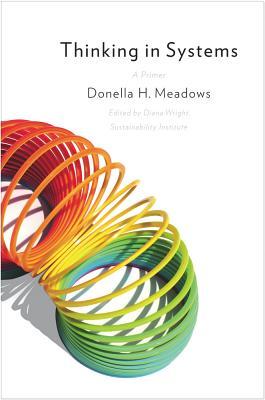





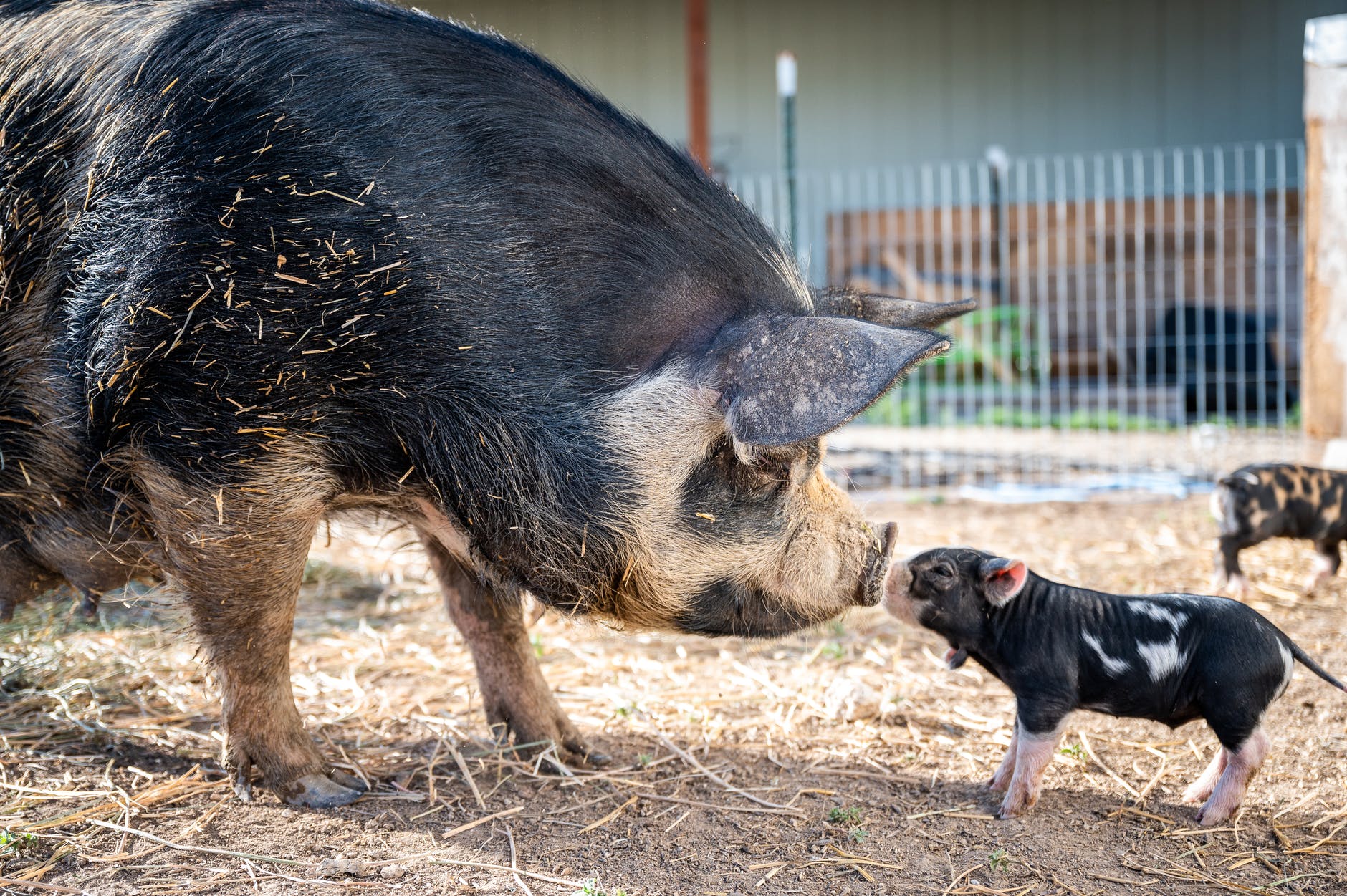

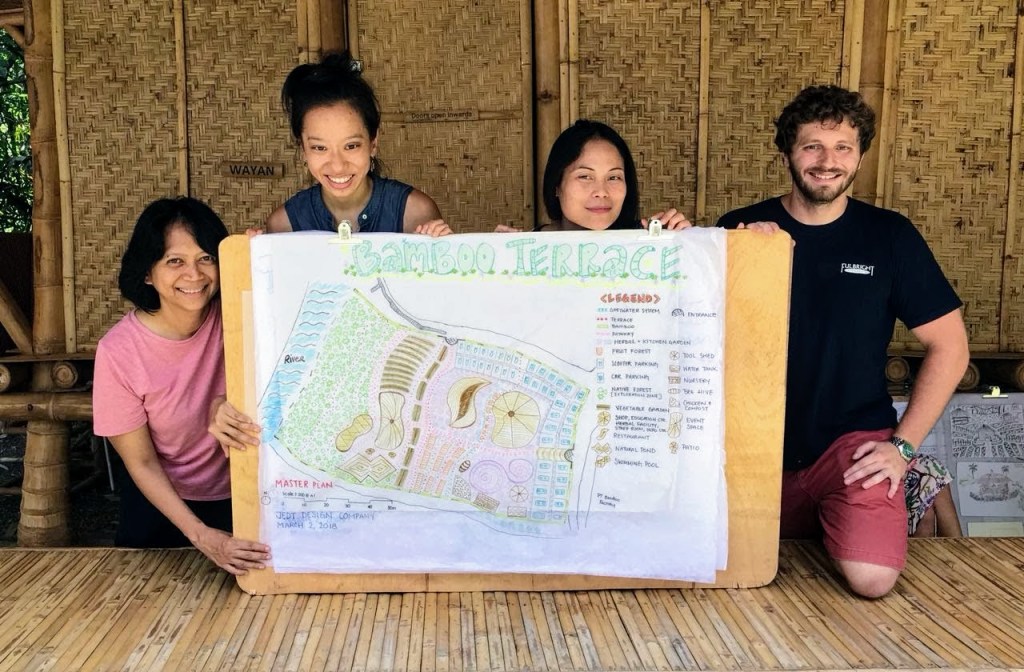
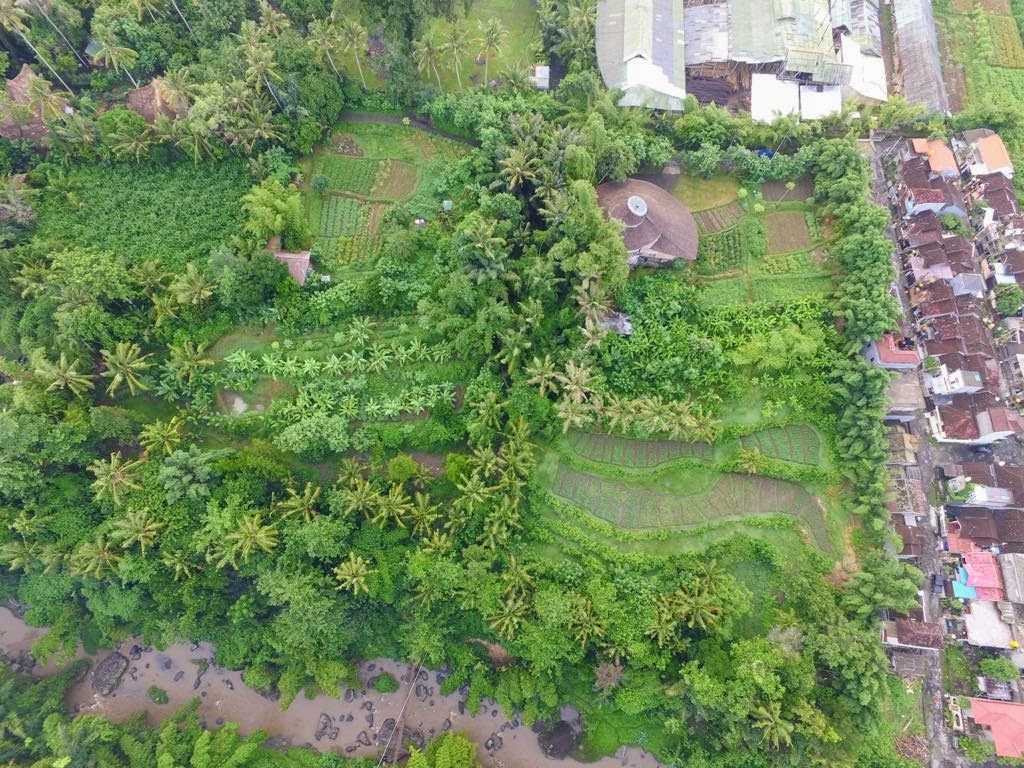

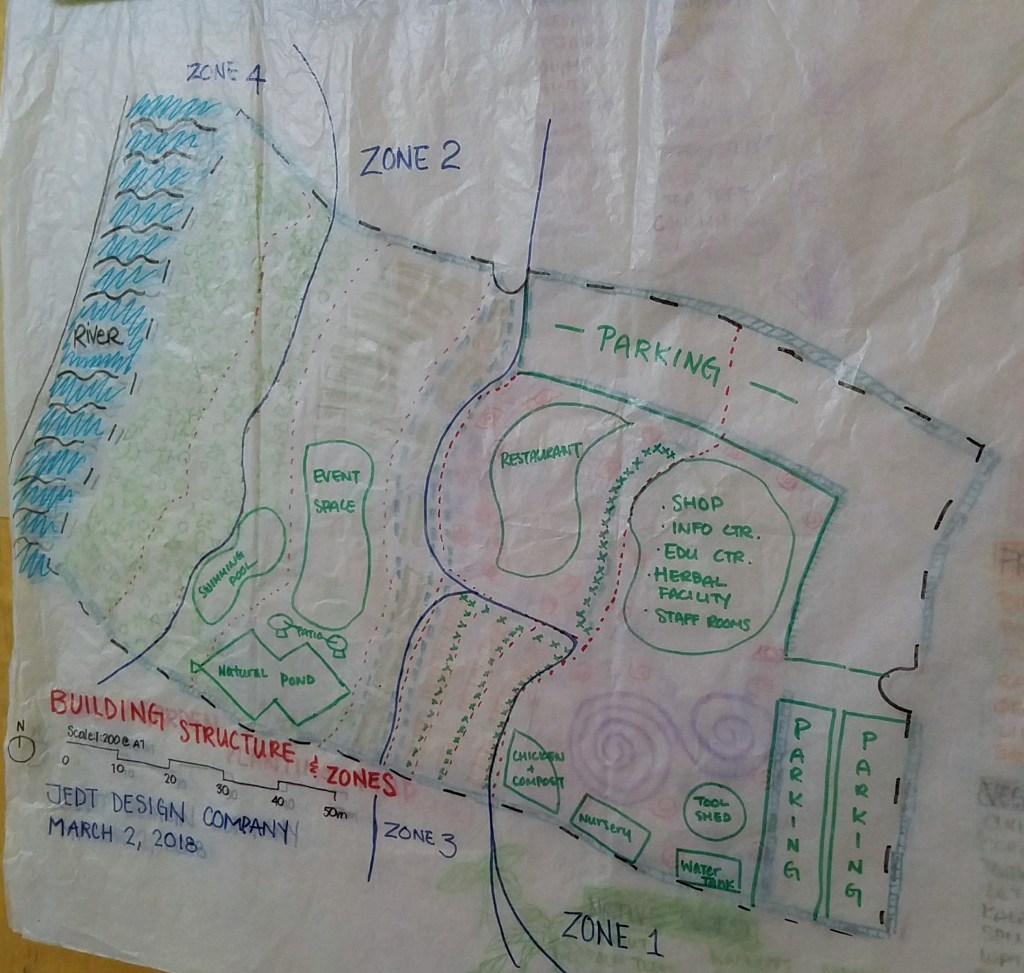

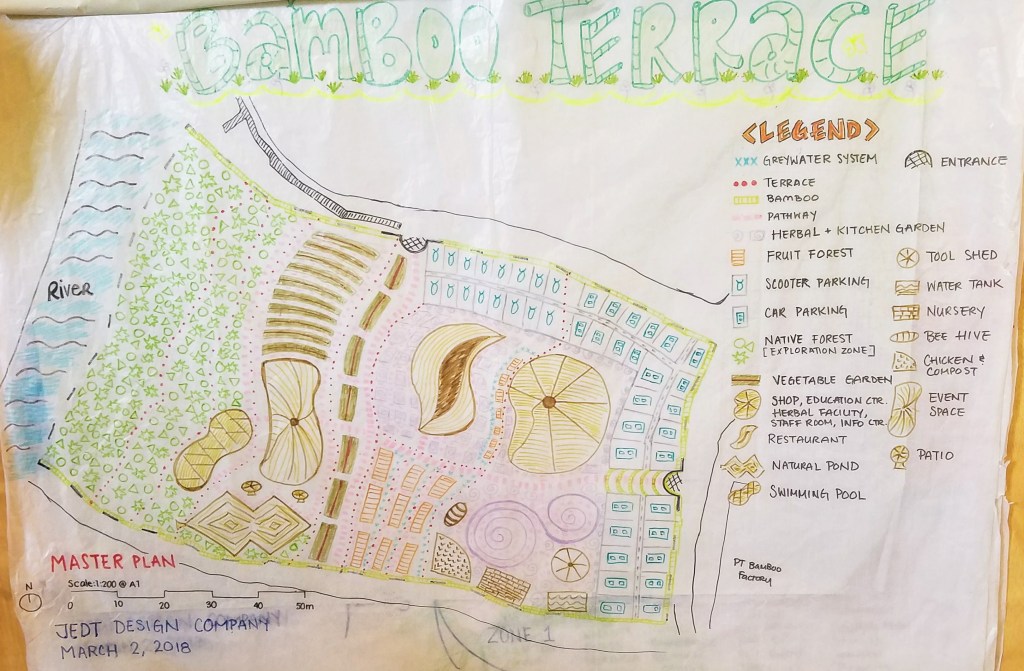


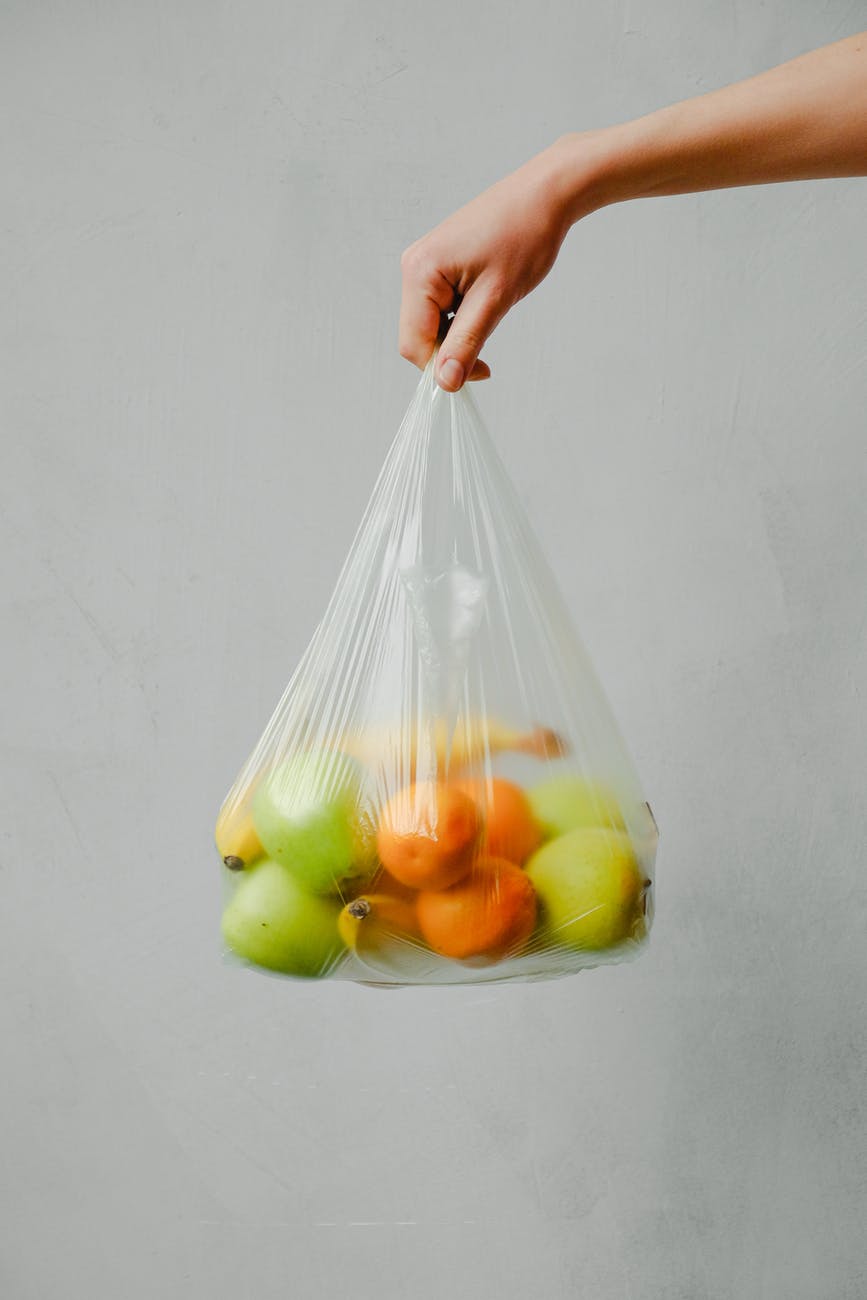




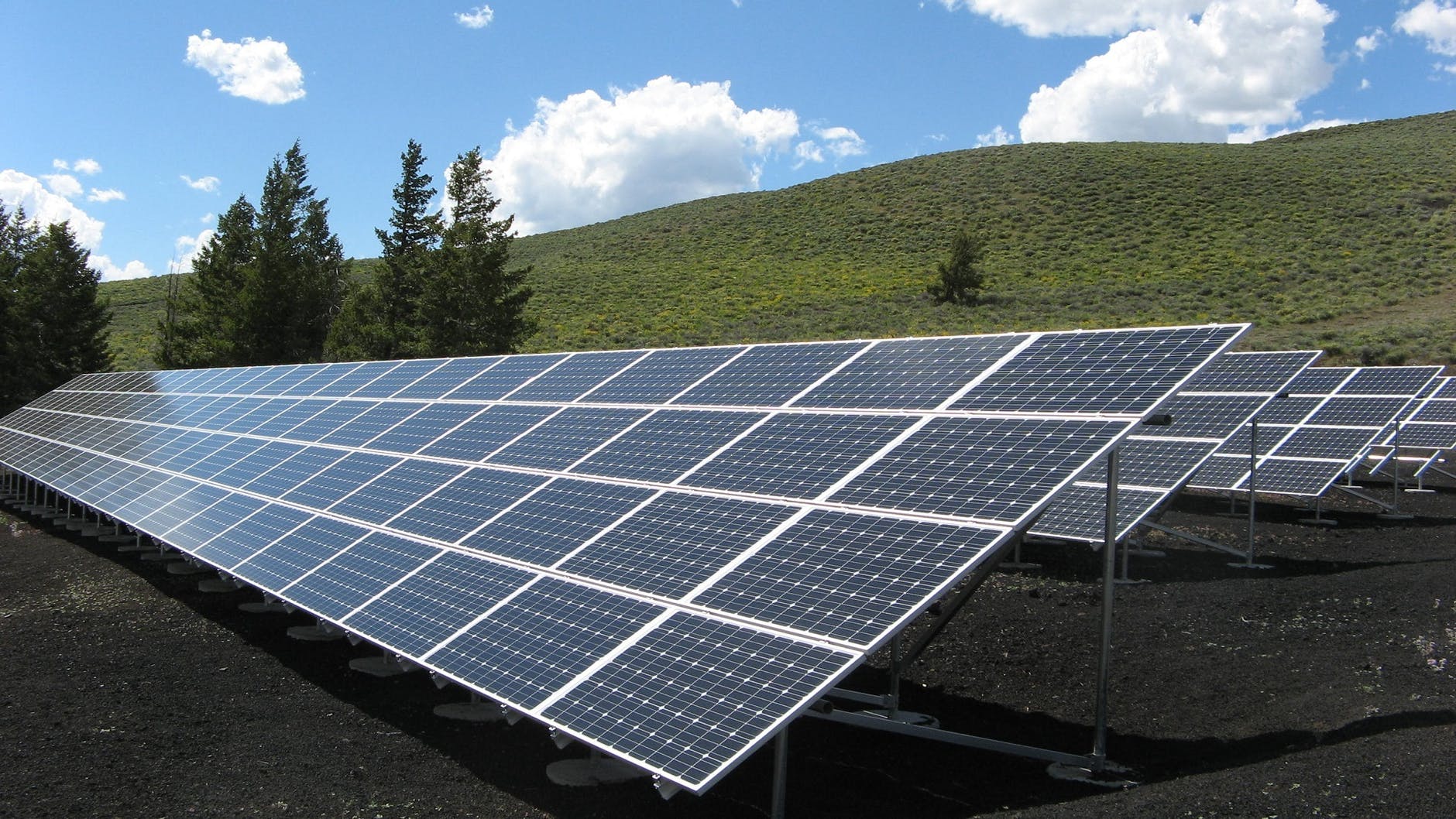










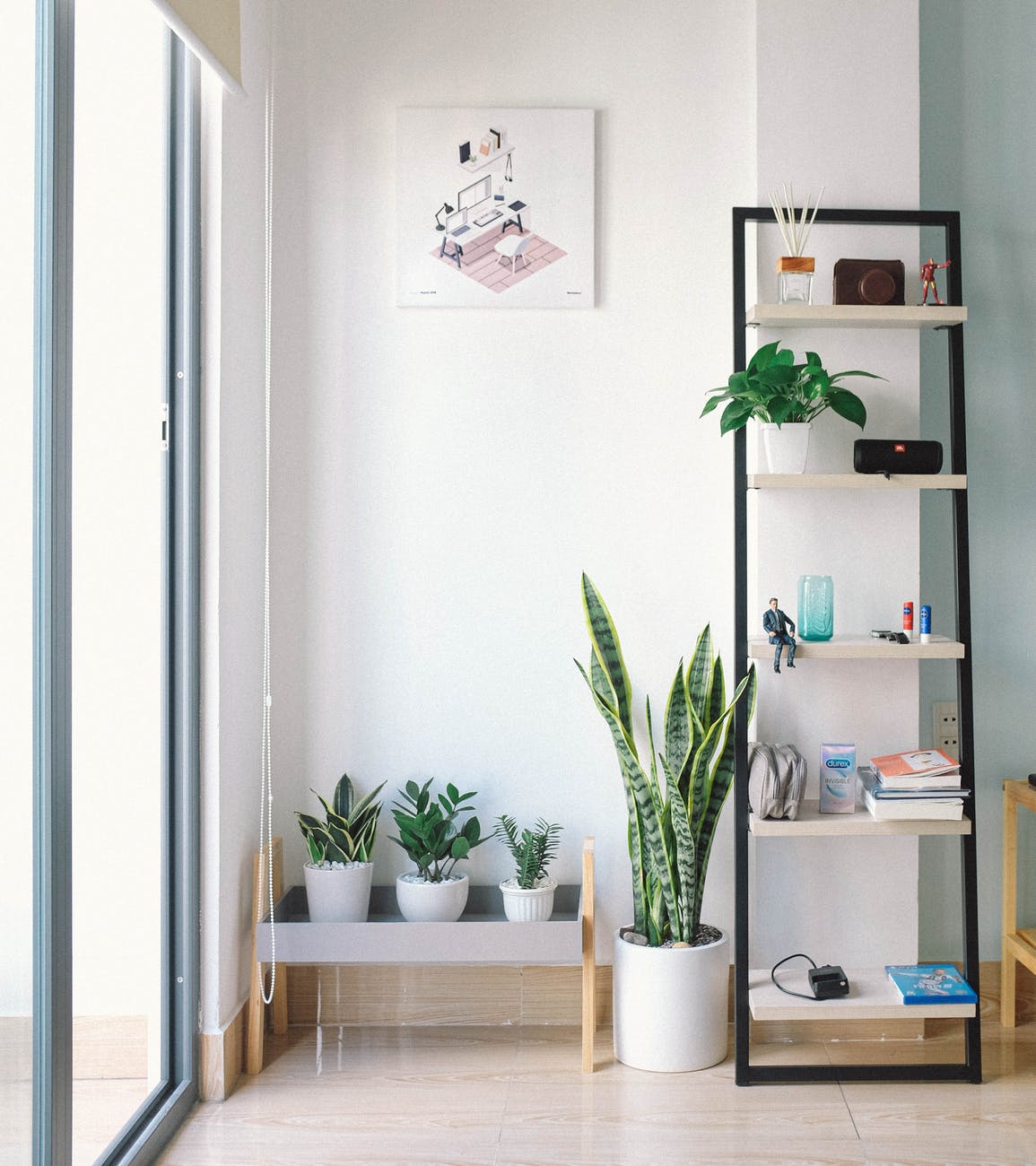




 Bottom Up Permaculture