
Permaculture design is founded on the basis of 12 key design principles (See What is Permaculture for a full list). No matter where you are in life, what resources you have available, and what lifestyle you live, these 12 design principles provide a framework for solving problems, working with nature, and creating spaces that are resilient and adaptive. In this series, I will go through each of the 12 permaculture design principles, explain what they mean, and share some ideas about how they can be applied to someone beginning a permaculture journey while living in a rented apartment. Check in over the coming weeks to learn about each of the principles and gain new ways of thinking about the spaces you create, wherever you might live!
Permaculture Design Basics 11 – Value Edges and Transitional Spaces
Uniformity Versus Transition
When we design solely with the goal of simplification and neatness in mind, we tend to create systems that look like big, uniform blocks that function the same way throughout. A rectangular field spaced a respectful distance away from any neighboring trees and planted with nothing but corn is an example of this type of design. On one hand, it makes it simple to run calculations and predict the outcome of this system: one acre of corn will require X pounds of seed, Y tons of fertilizer, and should yield Z bushels of corn. It doesn’t make much difference whether you’re looking at an acre in the middle of a field or at the edge; they’re all pretty much going to behave the same.
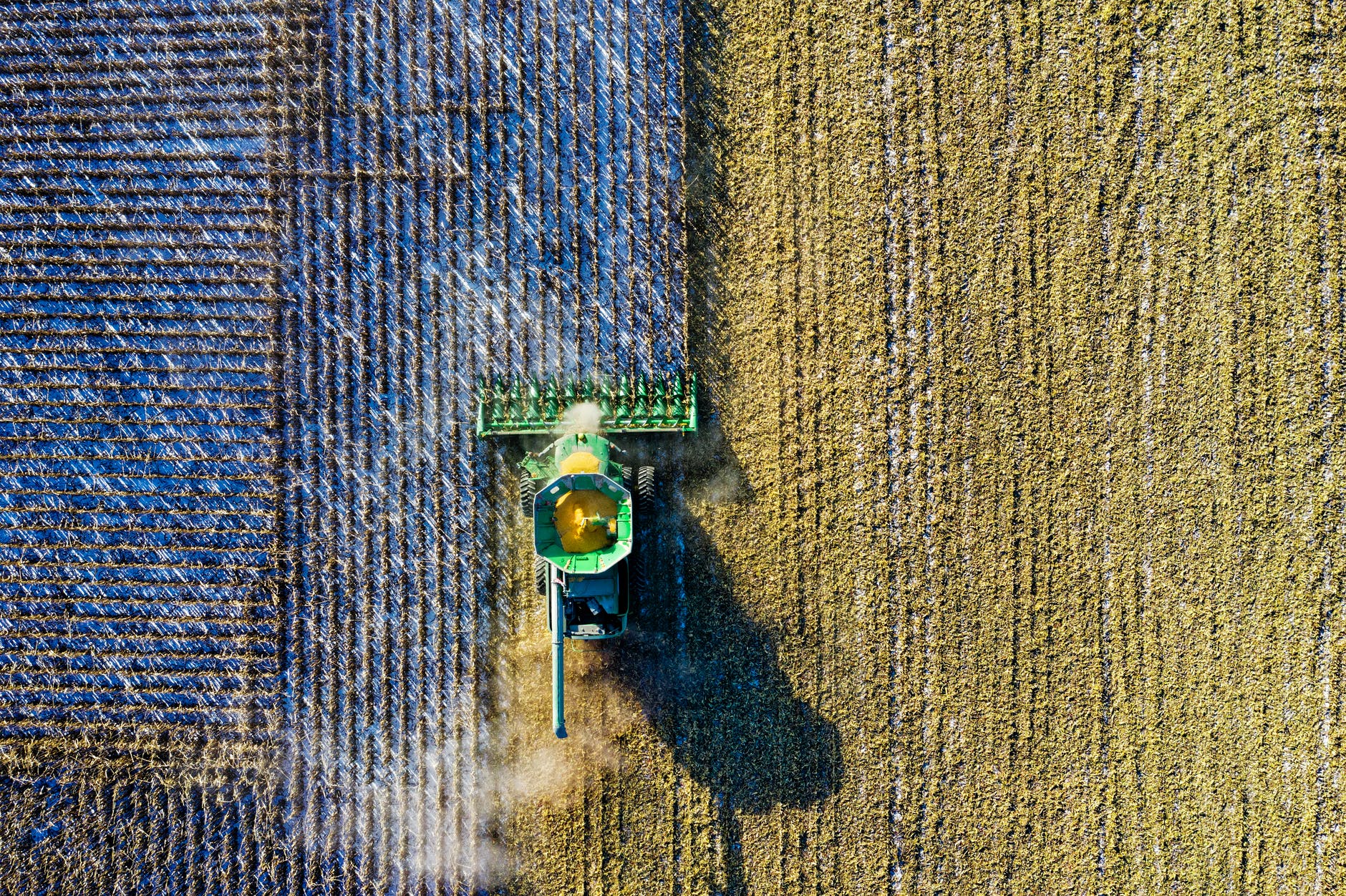
Photo by Tom Fisk on Pexels.com
However, if we expand our design goals to include resiliency, diversity, and optimization of natural synergies between neighboring systems, we begin to become interested in systems that look very different from big rectangles. Rather than seeking uniformity, we seek transition and blending. In nature, the most interesting, diverse, and multi-functional systems exist in the spaces where two or more different systems come together to form an edge. These are the spaces where the power of transition is revealed.
Mangroves and Other Edge Systems
A mangrove forest is a great example of a transitional “edge” system with tremendous capacity to provide benefits to all of the neighboring ecosystems. Mangrove forests grow exclusively in coastal intertidal zones, where the system of “land” meets the system of “sea,” and the shifting tides cause the water to rise and fall throughout the day to create a dynamic transition. These forests then provide homes to not just terrestrial life, like an inland forest, and not just aquatic life, like a coastal reef, but rather a combination of both terrestrial and aquatic life interacting with and benefiting from one another. That means you’ll find a richer web of different species interacting in unique ways than you would in a more uniform ecosystem, not to mention the fact that the forest itself is in a unique position to help capture sediment and stabilize the coastline during storms.
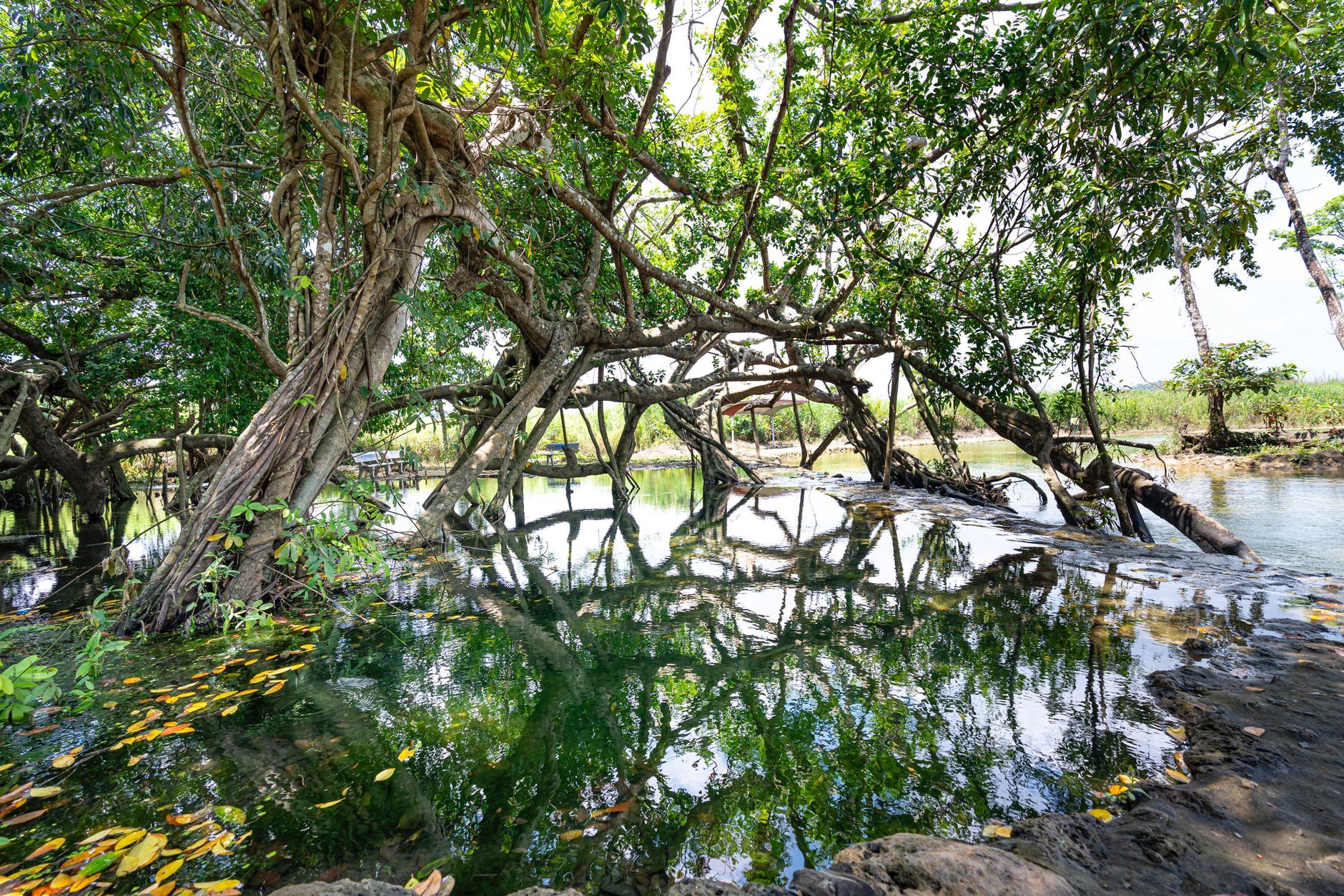
Photo by Quang Nguyen Vinh on Pexels.com
Transitional Systems: Complex but Bountiful
The example of the mangrove forest highlights the value of the 11th principle of permaculture design: Value Edges and Transitional Spaces. Though these spaces can be more dynamic and complex, and therefore more challenging to understand and model, they are also the spaces where nature can really work its magic and provide greater, more concentrated yields than in any uniform block. Other examples of transitional systems that “punch above their weight” in terms of diversity and abundance are estuaries (where fresh water meets salt water), the edges of woodland (where meadow meets forest), montane ecosystems (where alpine highland meets lowland), and even something like the border between the US and Mexico (where two different culinary traditions come together to give us delicious Tex-Mex food). In all of these cases, you’ll find an area along the edge where influences from both neighbors are present together, interacting in a way that isn’t possible separately.
Spiral Gardens: A Classic Permaculture Edge System
In permaculture design, valuing and utilizing edges can take many forms. One common element that epitomizes permaculture’s use of edges is the spiral garden. If you have a spectrum from uniform to transition-rich, you would have a big homogenous rectangle on the far end of uniformity and a spiral on the other end of maximizing edges. While the implicit goal of a rectangular design is usually to enclose the greatest amount of space with the least perimeter, a spiral does the opposite. By enclosing a space with curved lines close together, you actually end up maximizing “perimeter” within the least amount of space. In a spiral garden, the point of maximizing perimeter is to create the most opportunity for beneficial partnerships between neighboring plants, fungi, organisms, etc.

Photo by Mudassir Ali on Pexels.com
In a spiral garden, rather than creating a long rectangular bed and then planting all of the same plant in one section, leaving a bit of space, and then planting another long rectangular bed with something else (essentially eliminating any possibility for the two beds to interact), a spiral garden might have one- or two foot-long sections along the spiral that are planted with the same thing. Then, the next one or two feet have another plant, and that pattern repeats all the way along the spiral until you get to the center. Because of the nature of a spiral, this means that any section within the spiral is likely going to be neighbored by at least 4 other species (one other species preceding it in the spiral, one following it in the spiral, one species neighboring it one curve out on the spiral, and one species neighboring it one curve in on the spiral). This can go a long way in cultivating the resistance of the garden to pests (which might be repelled by one of the host plant’s many neighbors), promoting soil life (where worms, fungi, and other organisms can visit different neighboring roots depending on what they need), and attracting pollinators (since so much diversity packed into a small space means that something will almost always be blooming).
The Challenges of Transitional Spaces
There are certainly drawbacks to intense transitional spaces, and a spiral garden, as an extreme form of valuing edges, can demonstrate this as well. For instance, spiral gardens can get messy and out of control quickly, and it takes discernment to be able to pick your way through the garden and find what you’re looking for. Because there are so many different things going on, you’re probably not going to be able to harvest everything at the exact same time, making this a model that probably wouldn’t work great for a commercial greens farmer who needs to be able to quickly and efficiently cut his or her crop to maximize profit. However, it can be a great model for a backyard garden where going out to snip fresh herbs as they are needed isn’t a problem.
Naturally, there are ways to utilize edges and transitional spaces that are less extreme than planting all of your gardens in giant spirals. You can use other shapes like zig-zags, curves, or even just neighboring parallel lines to increase the ratio of edge-to-center without making things so chaotic that you lose control. You can also place annual gardens alongside perennial woods to take advantage of the transition from a cleared, cultivated space to a more wild, untamed space. The goal is not to make everything a cluttered mess, but rather to realize that opportunities exist in spaces that most people try to forget about and ignore.

Photo by Peter Olexa on Pexels.com
Valuing Edges in an Apartment
If you’re living in an apartment or other rented space, utilizing edges might be an especially useful skill for you, since your space is often limited and people tend to overlook edges. If you can master the art of putting transitional spaces to work, then you can expand your possibilities while gaining a valuable permaculture skill!
To start, check out my article on Creating a Permaculture Edge Garden to learn how you might be able to rehabilitate the edges of neglected spaces near your home. Then begin to Observe and Reflect on unused edges in your home where you might be able to do something productive, like grow some plants. Windows are one great example, but there might be others.
I would also encourage you to reflect on the transitional social spaces you inhabit in your life and think about how you can contribute unique value to the missions of community building, sustainability, and education, as these are as important to permaculture as growing food. Help to facilitate connections and the flow of information between groups of friends that might not otherwise have connected, and you’ll become the transitional bridge responsible for sharing important ideas!
Tying It All Together
Edges and transitional spaces can be both beautiful and messy. They don’t fit neatly into boxes because they aren’t boxes. Instead, they are the spaces where diversity, novelty, and interaction spring forth in new and unpredictable ways. All too often this messiness scares designers away, but the other permaculture design principles, along with patience and a willingness to tinker, equip us to engage with these abundant and magical systems. Look out for the neglected edges in your life, and you’ll soon find yourself faced with opportunities you couldn’t have imagined!
 Bottom Up Permaculture