
Permaculture design is founded on the basis of 12 key design principles (See What is Permaculture for a full list). No matter where you are in life, what resources you have available, and what lifestyle you live, these 12 design principles provide a framework for solving problems, working with nature, and creating spaces that are resilient and adaptive. In this series, I will go through each of the 12 permaculture design principles, explain what they mean, and share some ideas about how they can be applied to someone beginning a permaculture journey while living in a rented apartment. Check in over the coming weeks to learn about each of the principles and gain new ways of thinking about the spaces you create, wherever you might live!
Permaculture Design Basics 10 – Utilize Diversity
Have you ever wondered why ecologists place so much value on biodiversity? Have you heard people passionate about sustainable agriculture rail against monocultures consisting of acres and acres of a single crop? Have you heard of “strength in diversity” and wondered what all the fuss is about?
The 10th principle of permaculture design, Utilize Diversity, offers a few answers to these questions. Like the 9th principle, Favor Small Interventions, this principle’s value can be found in systems thinking, and it plays a key role in designing long-lived, adaptable, resilient systems.
Diversity, Fragility, and Resilience
“Don’t put all your eggs in one basket” is a common saying that most people understand intuitively as good advice, yet all too often we find that our modern food systems aren’t listening. By planting an entire farm with nothing but corn (or maybe a simplistic corn and soybean rotation), conventional farming can build systems that succeed or fail based on the lifecycle of a single plant. This is great in years when a corn crop gets the right amount of rain, the perfect amount of sun, and is spared from pests, but it can lead to disaster if even one of these factors doesn’t go according to plan. These undiversified strategies lead to fragility, where the entire system is incapable of functioning outside of a narrow window of ideal circumstances.
Incorporating diversity into designs is a powerful way to reduce fragility and ensure that when conditions change and one element of a system does not perform as expected, there are other elements in place that can “pick up the slack,” so to speak. If you were running a business selling organic produce, for instance, diversifying your offering to include multiple vegetables, some fruit, local eggs, and maybe even some farmhouse-themed art would give you a lot more flexibility if suddenly the entire local tomato crop was wiped out by a blight. Contrast this situation with where you would find yourself if you only specialized in selling tomatoes, and you’ll understand why diversity is so important.
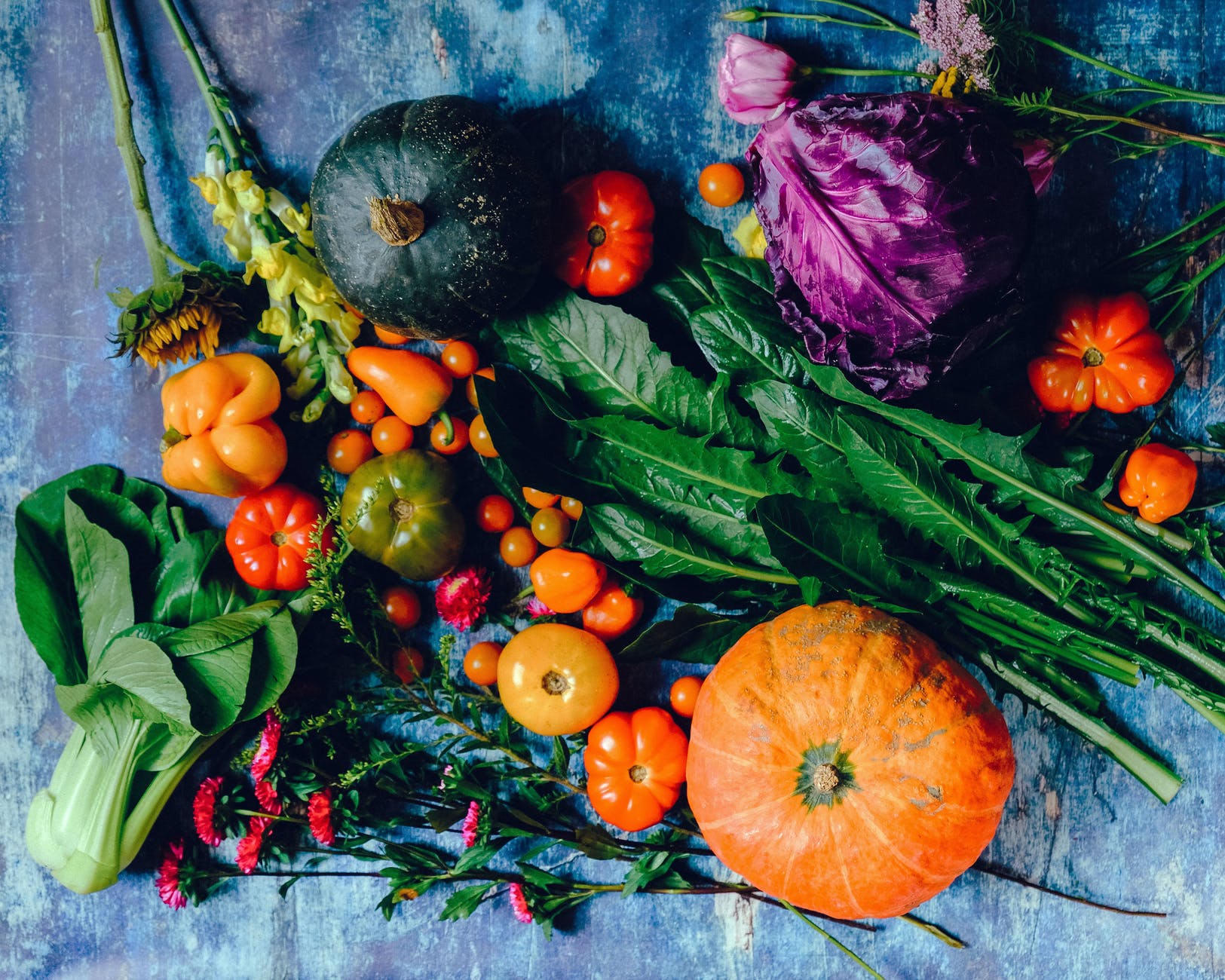
Photo by Ella Olsson on Pexels.com
Other Benefits of Diversity
Besides flexibility, diversity can offer other, more surprising benefits. For instance, many plant diseases and pests in a garden rely on a single plant to reproduce and grow. In a monoculture composed solely of this host crop, pest populations can grow exponentially larger, as they are essentially living in an endless buffet of their favorite food. This makes interventions like chemical pesticides a greater necessity if the crop is going to avoid complete devastation.
However, if diversity is utilized in something like a polycropping system, where multiple plants are grown alongside one another and a field is planted with different crops each season, the lifecycle of pests can be interrupted and the need for pesticides drops off. The Rodale Institute’s web page on Crop Rotation offers some practical insight into how diversity is used in organic agriculture to build natural pest resistance.
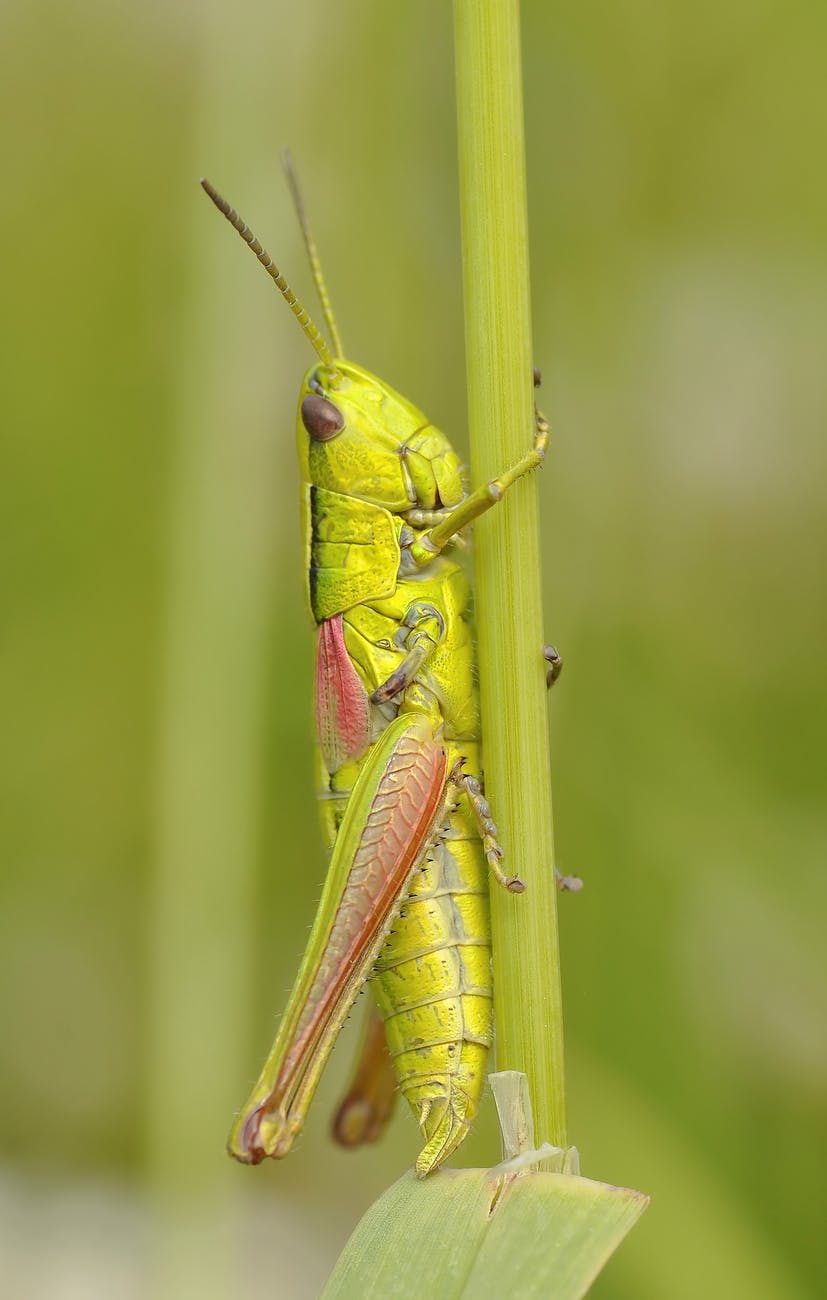
Photo by Pixabay on Pexels.com
Utilizing Diversity in an Apartment
If you’re trying to incorporate the permaculture design principles into your life while living in an apartment or other rented space, there are many opportunities for utilizing diversity. You can diversify your knowledge base by learning something new outside of your usual area of study (if most of your knowledge is about ecology, try reading a book on modern political science or the history of food in the USA). You can learn to cook new ingredients that you’ve never tried before, or you could learn to cook a familiar ingredient in a new way. You could also take a chance and build a friendly relationship with a colleague who is different than the people you spend your time with most of the day.
In all of these instances, the practice of increasing the variety in your life will help make you better prepared for when your life invariably changes. Cooking with new ingredients now can help you become more creative when you find yourself cultivating a new vegetable in your garden in the future. A base of knowledge that spans multiple disciplines will help you make connections between events and opportunities that you otherwise might have missed. Building a broader network will expose you to different lifestyles and ways of thinking, and it can lead to idiosyncratic connections that prove helpful when you undertake a new project. Not to mention that “variety is the spice of life,” and in my opinion it’s simply a lot of fun to not do the same exact thing in every situation!

Photo by Pixabay on Pexels.com
Tying It All Together
A blind pursuit of efficiency in systems can often lead to over-specialization at the cost of diversity and resiliency. Though there are certainly advantages to cultivating deep knowledge, skills, and capacities within a narrow area, permaculture design reminds us that variety is important in a system that will eventually need to adapt and change. Though this broader strategy may take a greater investment of time and effort, the payoffs will be well worth it when your systems are able to endure and grow while other, more fragile systems cease to exist.
 Bottom Up Permaculture