Permaculture design is founded on the basis of 12 key design principles (See What is Permaculture for a full list). No matter where you are in life, what resources you have available, and what lifestyle you live, these 12 design principles provide a framework for solving problems, working with nature, and creating spaces that are resilient and adaptive. In this series, I will go through each of the 12 permaculture design principles, explain what they mean, and share some ideas about how they can be applied to someone beginning a permaculture journey while living in a rented apartment. Check in over the coming weeks to learn about each of the principles and gain new ways of thinking about the spaces you create, wherever you might live!
Permaculture Design Basics 8 – Integrate Elements and Functions
Our modern scientific and economic models like to break things down, simplify them into smaller and smaller pieces, and then look at each little piece individually. This approach is great when you’re trying to figure out how changing a single variable in a system (for instance, varying the interest rate on bank loans) will affect the performance of the entire system, but it can lead us towards a mode of thinking where we consider the elements of a system to be more independent than they actually are. The 8th principle of permaculture design – Integrate Rather Than Separate – reminds us to acknowledge the interconnectedness of all the elements in our life. By creating systems of interdependence, redundancy, and multi-functionality, we design like nature, building networks where each element supports many functions, and each function is supported by many elements.
Elements and Functions
When thinking about systems in permaculture design, it is helpful to define two terms: elements and functions.
Elements are the components that make up a system. On a farm, some important elements might be a house, a plant nursery, a flock of chickens, a compost pile, and a pond. You can think of elements as the things that make up the physical form of the system.
Functions, on the other hand, are the things that the system does. For example the element of a plant nursery might perform the function of sheltering seedlings while they grow strong enough to be moved to the garden. The function of a house is to provide shelter, a place for social gathering, a comfortable place to sleep, space to cook and eat meals, etc. Functions are related to the purpose or goal of a system, and they are dynamic processes rather than static structures.
It is the interplay between elements and functions that determines the level of integration of a system. If one element performs only a single function without interacting with or supporting any other aspect of the system, then the system is fragmented, separate, and not well-integrated. However, if a map of elements and functions looks more like a spider’s web than a straight line, with many overlapping levels of connectedness between various elements and functions, then the system is more highly integrated.
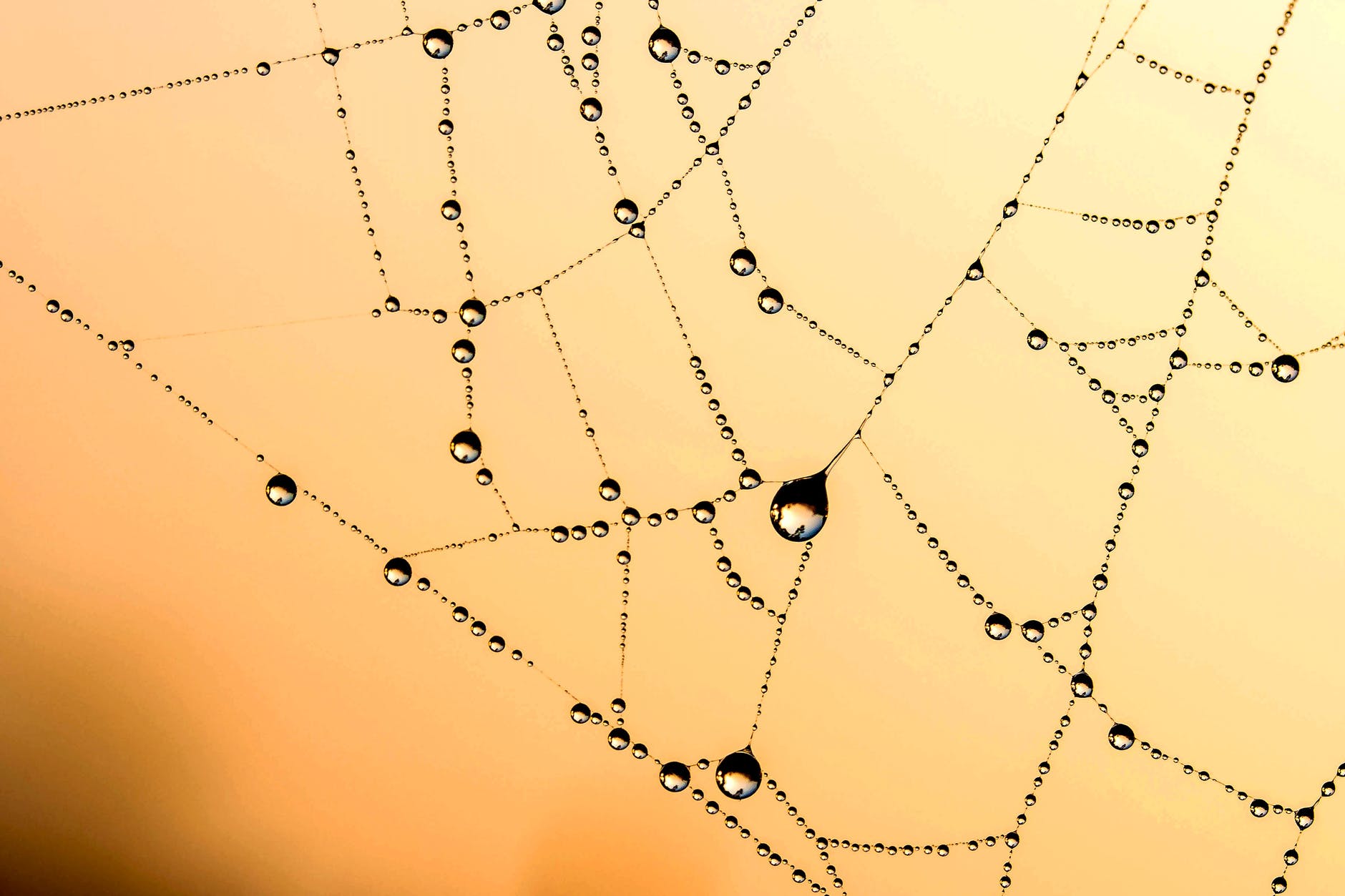
Photo by Pixabay on Pexels.com
Natural systems tend to be highly integrated, which leads to a more resilient, dynamic, and permanent system than the simplified, linear systems that only really exist in man-made environments. These integrated systems may be more complex and difficult to model, but ultimately they produce more value-per-element with less fragility than more fractured systems.
Each Element Supports Many Functions
One way to build integration within a system is to have each element support multiple functions. More often than not, the elements of a system can be used to perform more than just the most obvious functions. For instance, although a plant nursery can serve the obvious function of raising seedlings, its roof can also be used to provide cover for stores of compost and potting soil that can’t be left out in the rain. The wall space can be used for storing the tools needed in the nearby garden, and a whiteboard near one end can serve as a place to map and plan out the activities that need to be completed in the upcoming week. This means that the single element of “the nursery” is now performing the functions that might otherwise have required a separate compost storage bin, tool shed, and office space.

Photo by Lucas Craig on Pexels.com
“Stacking functions” is a phrase that is often used to describe the process of adding more and more functionality to existing elements to reduce the need to spend time, money, and energy building new single-function elements. Functions are stacked conceptually one atop the other while using the same element as the foundation, and sometimes this can literally take the form of building on the vertical axis. For instance, by placing composting bins beneath a table that supports frequently watered seedlings, the excess water can trickle down through the table and moisten the compost pile without any extra effort. The goal of stacking functions is to gain the most value out of the components of a system by utilizing all aspects of their potential functionality. Since the potential value of a system is limited only by our knowledge and creativity, this is one of the most fruitful areas to begin our efforts towards integration.
Each Important Function Is Supported By Multiple Elements
Once the elements of a system are supporting multiple functions, we can begin building connections in the opposite direction to foster resiliency and adaptability. For any critically important function within a system, it is wise to have multiple elements supporting that activity. That way, if something happens to one of the supporting elements (for instance, if it breaks or needs to be used for another purpose), the function can still be performed.
As an example, imagine the function of feeding pigs. No matter what happens, those pigs need to be fed, or there is going to be a major problem on the farm. A fractured system may only have one element in place to support the feeding of these pigs: maybe the pigs are fed organic pig food bought at the local Tractor Supply Company. That’s all well and good until something like COVID happens and the stores are all shut down or the price of pig food skyrockets. If you don’t have any other elements available to help support the function of feeding the pigs, you’re liable to find yourself in a predicament.
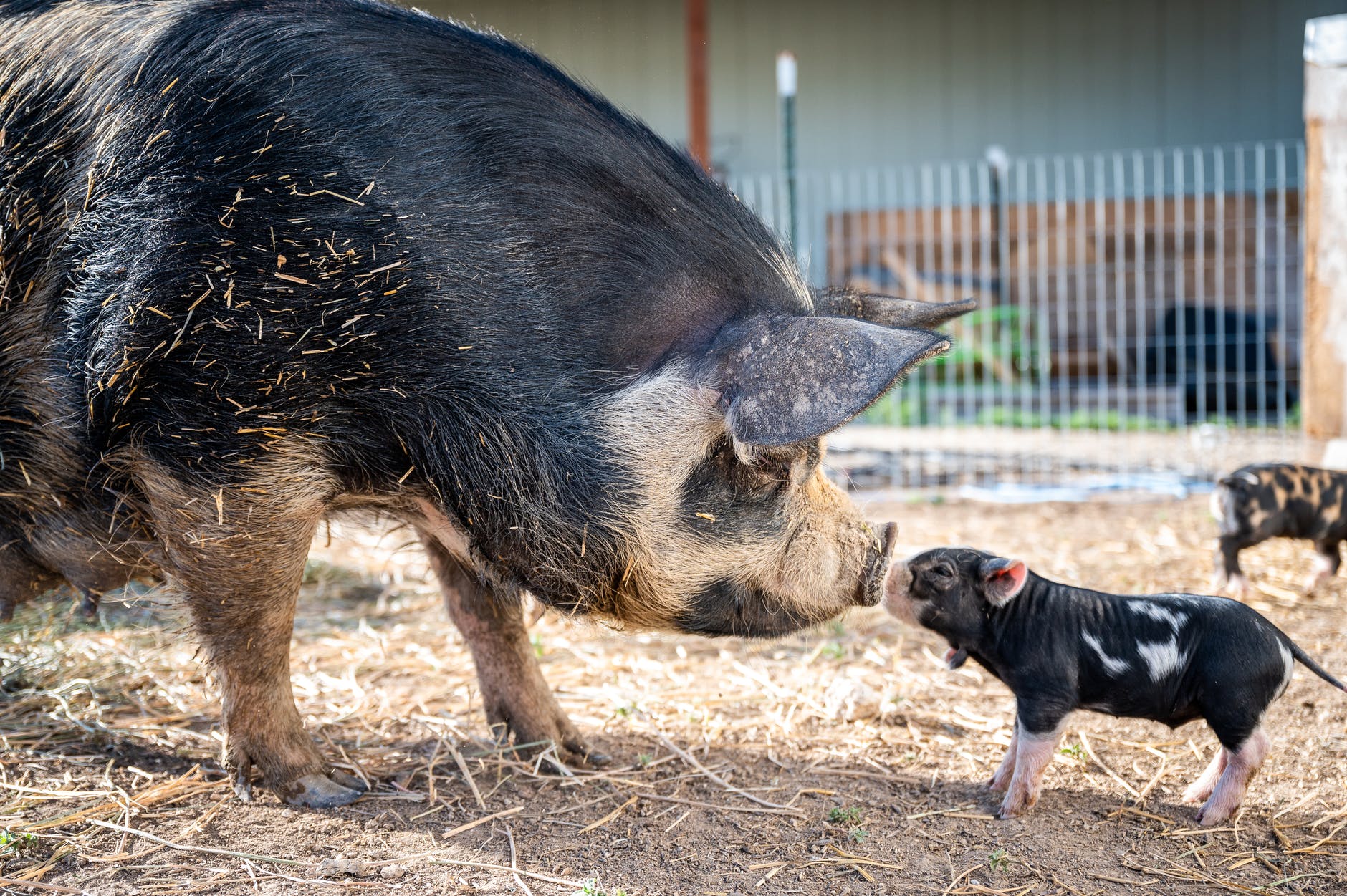
Photo by Brett Sayles on Pexels.com
However, if you designed the elements of your compost system in such a way that you can allow your pigs to access the pile, they will happily turn your compost over looking for food scraps. This feeds the pigs while also reducing the need to bring in a human to mix the piles with a pitchfork. Additionally, maybe you have a field of pumpkins and squash where you intentionally plant more than you’ll need for the upcoming season. Assuming everything goes to plan, the extra gourds can be fed to the pigs to supplement their diet. With three elements (pig food, food scraps, and gourds) supporting the function of feeding the pigs, you can be much more fluid in your response to unforeseen events. If the pig food is unavailable, you can collect more food scraps from your neighbors to help feed the pigs, or you can plant more pumpkins in the coming season. If your pumpkins get powdery mildew and die too soon in the season, you can lean more heavily on the store-bought food for your pigs. In any case, you’re far less susceptible to being knocked out of the game by a single negative roll of the dice, and that means you’ll be able to adapt and stay in the game when more fractured systems would fail.
Integrating Elements and Functions in an Apartment
If you’re living in an apartment or other rented space, there’s still a tremendous amount of work that you can do to integrate the elements and functions in your life. As I mentioned, often the easiest place to start is to take inventory of the elements that already exist in your life and find ways where you can add less-obvious functionality. A simple example would be to think about your bed and consider whether you can use the space beneath it to store seasonal clothing. This can free up some space in your closet, which you can then use to grow oyster mushrooms in a five-gallon bucket or ferment some homemade wine. Without adding anything material to your space, you’ve found a way to stack functions and get more value out of the resources you already have. When you apply that type of thinking to all the elements at your disposal, you’ll find unexpected opportunities to make the most out of what you’ve got.
You can also go the other direction and identify the most important functions that need to be performed to maintain your life. A really great place to start is to consider your ability to generate an income and earn money. For most of us, this is the single most important function required to avoid a total breakdown of our life, and it is also one of the most common places where we put all of our eggs into a single basket. Earning a nice, predictable living from the single “element” of a full-time job is great, right up until the point where you get laid off, your hours are cut, or you get injured and can’t work for a couple of months. Though savings and the right insurance can go a long way to help mitigate these risks (and you should definitely work on these if you are able), another way to build resilience into your financial picture is to build up a side hustle or two. These don’t need to be massive entrepreneurial undertakings, but selling some handmade crafts on Etsy or building up a YouTube channel can be enough to earn you a few bucks doing something that you’re already interested in. Then, if tragedy strikes and your day job disappears, at least you have the basic framework in place to lean more heavily on these alternative revenue streams. You’ve cultivated a few more elements in your life that can support the function of “getting paid,” and you’ll be more adaptable as a result.

Photo by Kuncheek on Pexels.com
Tying It All Together
Designing linear, separate systems is easy. You identify one function that needs to be performed, and you build one element to support that function. This may reduce the need for mental energy and creativity, but the cost is that we spend more time and money building elements that we wouldn’t have needed if we designed a system where each element can support multiple functions. Simultaneously, within these simplified, linear systems, our ability to perform all critical functions is highly fragile, as even a single element going offline can cause the whole system to collapse. Redundancy in our ability to perform the most important functions keeps us nimble and adaptable and allows us to succeed where external circumstances might have caused us to fail.
Are integrated, interwoven networks of elements and functionality more complex to design? Absolutely, but by designing from patterns to details, we can manage this complexity and build systems capable of withstanding the test of time.
 Bottom Up Permaculture