Permaculture design is founded on the basis of 12 key design principles (See What is Permaculture for a full list). No matter where you are in life, what resources you have available, and what lifestyle you live, these 12 design principles provide a framework for solving problems, working with nature, and creating spaces that are resilient and adaptive. In this series, I will go through each of the 12 permaculture design principles, explain what they mean, and share some ideas about how they can be applied to someone beginning a permaculture journey while living in a rented apartment. Check in over the coming weeks to learn about each of the principles and gain new ways of thinking about the spaces you create, wherever you might live!
Permaculture Design Basics 6 – Produce No Waste
Waste Is A Human Invention
Natural systems do not produce waste. When a forest grows over tens and hundreds of years, free from human intervention, no piles of trash accumulate. Nothing needs to be carted out of the forest by dump trucks headed to landfills in order for the system to remain stable. Everything that the forest produces is used by one of the systems within, and the byproducts of every system are taken up to be used by another system. Because of this, the system can be permanent.
Contrast that with a human city. Every day, thousands of trucks bring in food wrapped in plastic packaging. They drop off cleaning products and toys and water all wrapped in non-biodegradable containers. And every day, thousands of trucks haul out the discarded scraps that no one in the world has any use for. The trucks take the garbage away somewhere that most people can forget about it, and the next day the cycle repeats. Meanwhile, our landfills grow ever fuller, and the ocean is slowly becoming clogged with plastic.
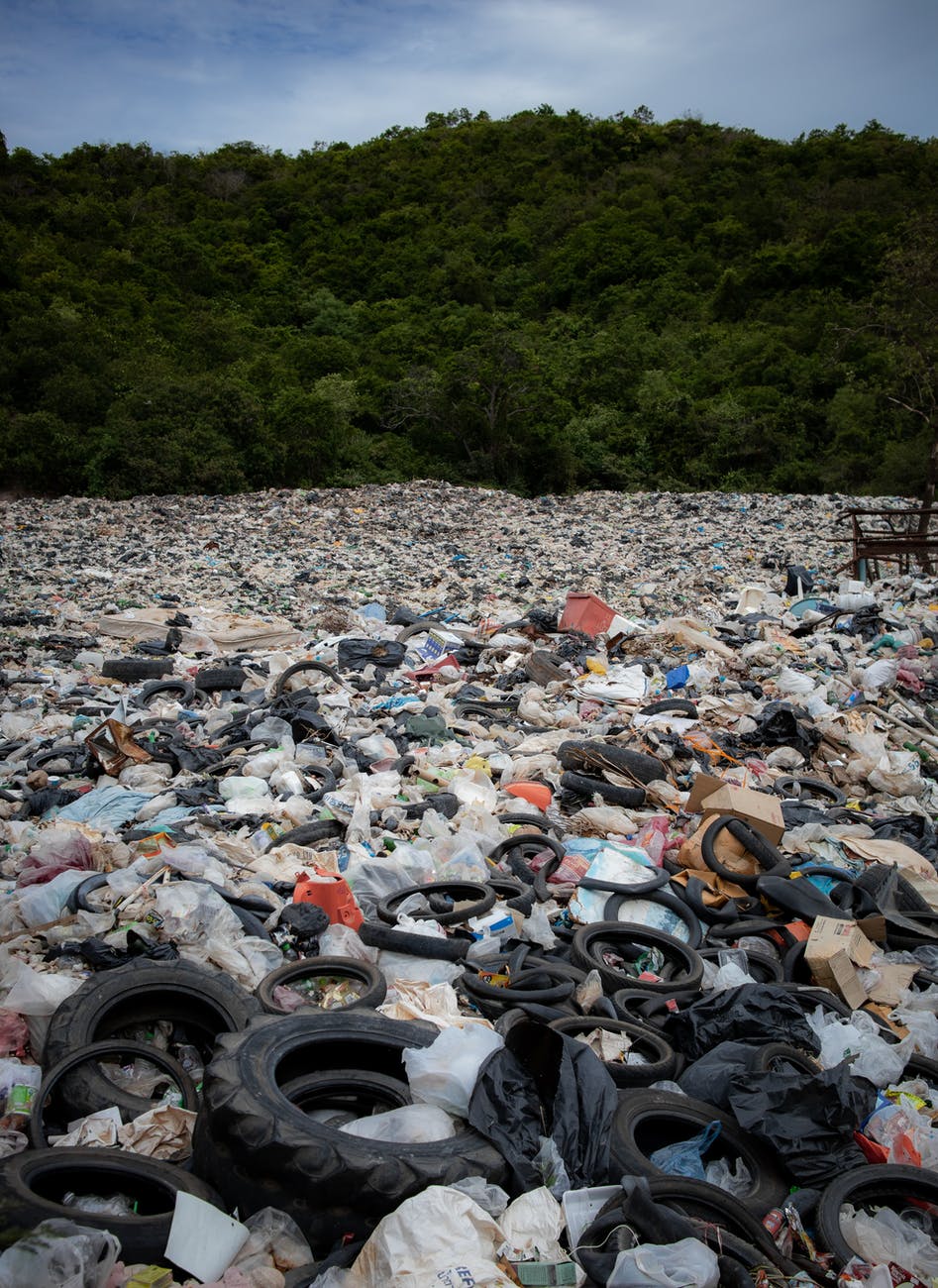
Photo by Leonid Danilov on Pexels.com
This comparison highlights the fact that waste is a human “invention.” We are the only animals with the capacity to create something that nature cannot almost immediately re-purpose. Though the use of plastics and single-use packaging appears convenient at first glance, they carry a hidden cost that is shared among all of us living on Earth.
Fortunately, if humans learned to create waste, we can learn how to un-create it. The 6th principle of permaculture design, Produce No Waste, encourages us to think more deeply about the outside materials we allow to enter our homes while simultaneously challenging us to find new uses for the things we already have. It goes far beyond taking a reusable cloth bag to your local grocery store (though that’s a great start!), and it is a process that we can all begin taking small steps towards today.
Reducing Plastic and Packaging Waste
For a lot of people, plastic and packaging waste is the first place their mind goes when it comes to the idea of “Produce No Waste,” and for good reason. If you live in the United States or any other developed country, there is a good chance that you throw out a large portion of the materials that you bring into your house each week. It’s very difficult to live any kind of modern lifestyle without being subject to plastic packaging at every turn. As we all know, plastic can take thousands of years to breakdown, and emotional images of marine life wrapped in discarded six-pack containers can often make us feel guilty about the things we throw away. Simultaneously, the thought of somehow cutting all plastic out of our lives can seem daunting if we’ve never seriously tried to find alternatives.
Incremental, Sustainable Waste Reduction
Because waste reduction can feel intimidating at first, I’d like to present my own philosophy on cutting down on the amount of trash we produce. This philosophy comes in two parts, and I think it’s useful when trying to avoid waste while living in an American city or suburb.
Small Actions are Better than No Action
The first part of my viewpoint is that small actions are better than no action. It’s easy to see permaculture websites and social media pages highlight people who have been working towards zero-waste for years, indicating how in an entire month they only produced a pocketful of non-reusable trash. These stories can be great if they’re serving as an inspiration, but all too often I feel that they can paralyze us into complete inaction. We look at the bags of garbage we carry to the dumpster each week, and we think that we’re a total lost cause. It seems impossible to get to zero-waste from where we are now, so we don’t even bother to try. Rather than let this happen, I challenge you to let go of the idea that you’ll ever get this permaculture design principle “perfect.” Like all of permaculture design, this principle is a lifelong journey, and I believe that the pursuit of constant improvement will take you further than aspirations of eventual perfection.
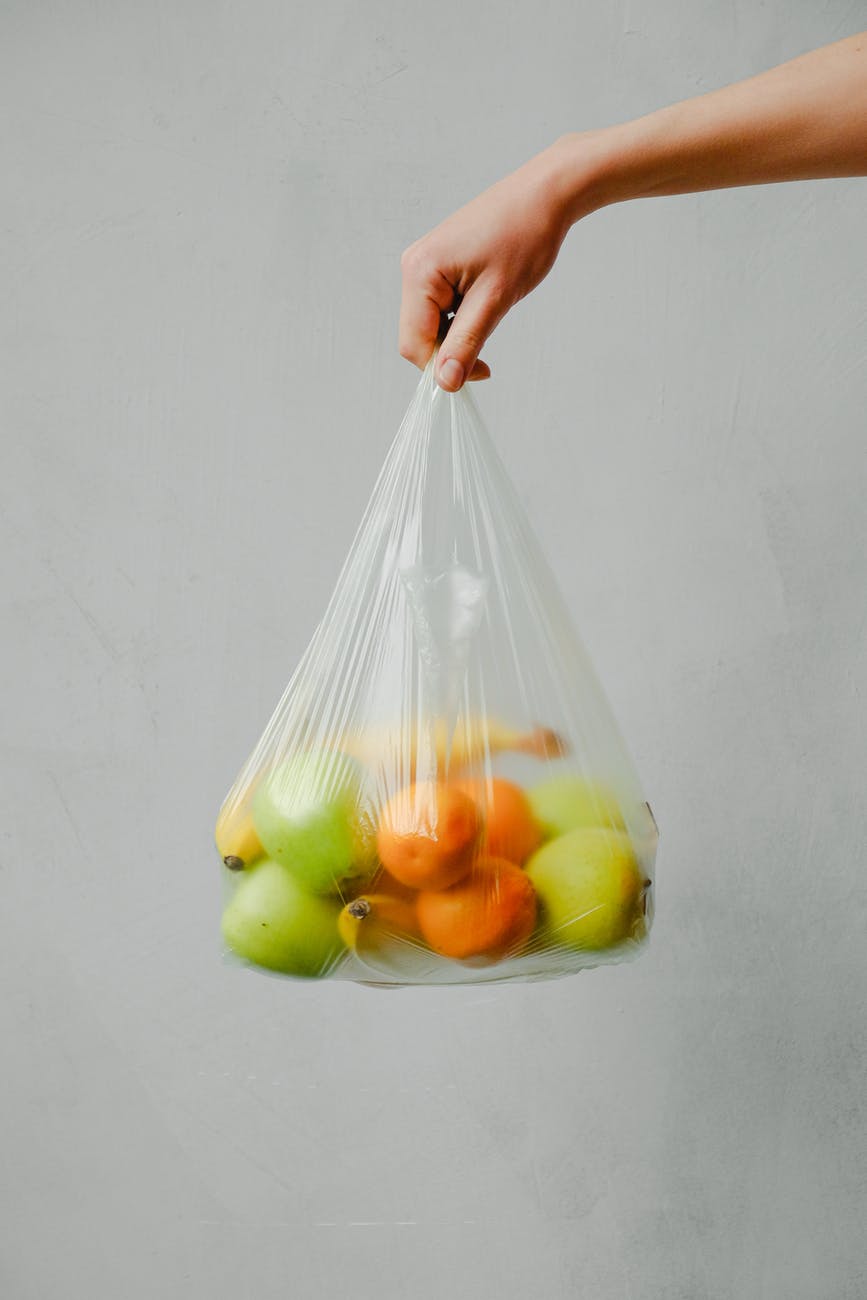
Photo by Anna Shvets on Pexels.com
No Sustainable Reduction of Waste is Insignificant
The second part of my philosophy is that no sustainable, long term reduction in waste is too small to be insignificant. Put another way, any small move away from disposability and towards reusability is worthwhile and worthy of celebration. This is especially true if its the sort of thing that you only need to take action on once and then forget about. For instance, swapping out your disposable kitchen sponges for a bristle brush that will last years.
Pick something small, and work on accomplishing that. Can’t give up your K-cups at this point in your life because they’re so convenient while you’re running out the door to your 9-5? Rather than being ashamed and feeling like you can’t consider yourself a “real” member of the permaculture community while you’re using single-use coffee pods, instead make another, smaller change that you do feel good about. Maybe that means switching to a small glass pitcher of cream from a local dairy rather than using single-use coffee creamers. Maybe it means taking a thermos to fill with coffee at work rather than using the styrofoam cups.
Whatever it is, make the small change, stick with it, and be proud of it. When possible, look for opportunities to apply the Pareto Principle by addressing the areas of your life that generate the most waste, and start there. At the same time, pace yourself and make changes in bite-size pieces so you don’t become overwhelmed. This will help you gain momentum, keep up your motivation, and ensure that in 10 years you’re still working on trimming down excess waste, rather than flaming out after 3 months of impossible-to-maintain zero-waste routines. In the long run, the first option will do the planet a lot more good than the second.
Don’t Buy What You Don’t Need
This idea is so simple that it almost slipped my mind until Maddie reminded me, but it’s very important. One of the best ways for you to reduce waste in your life is to not buy things that you don’t need or won’t use. This means don’t buy so much produce that half of it goes bad before you eat it. Don’t buy 10 different pairs of sunglasses or sneakers if you’re only going to wear one or two on a regular basis. Don’t buy some gimmicky pasta maker if you’re going to use it once and then shove it in the back of your kitchen closet never to be seen again.

Photo by Christian Diokno on Pexels.com
Retail therapy has become a coping mechanism for many people, and it inherently revolves around purchasing things you don’t need just for the temporary rush of acquiring something new. It might be disguised as “keeping up with trends” or “trying to fit in with your peers,” but the reality is that we can be stylish and have an active social life without the need to constantly buy (and eventually throw away) new products. Observe and Reflect to identify the items you use regularly, and if you feel the need to treat yourself, use it as an opportunity to upgrade one of these regularly used items to something high quality and timeless that you can use for the rest of your life. Then give the item you replaced to somebody who can continue to use it until it wears out (more on that later). But most importantly, think critically before you buy something new. The thrill of a purchase only lasts a few hours, but the environmental impacts of your choices can linger long after you’re gone.
Using and Maintaining What You Have
This next aspect of Producing No Waste is about positive action rather than harm reduction. By learning to fully utilize, re-purpose, maintain, and repair items that we already possess, we can gradually reduce our need to purchase new objects.
Companies Love Disposable Products
If you’ve grown up in the past couple of decades, there’s a good chance that disposability has always been the norm for you. If a lamp breaks, it’s more common to toss it in the dumpster on the way to Target to buy a replacement than it is to attempt to fix it yourself.
However, the ability to maintain and repair an object of value can be a revolutionary act. It’s far more profitable for a company to sell you a new product every month rather than selling something that will last the rest of your life, so there are powerful economic incentives for marketing campaigns to convince you that cheap, disposable products are the way of the future. Ultimately, though, the power is in our hands as to whether we wish to accept this reality or find an alternative.
Quality Over Quantity
A great place to begin taking action is to change the items we buy. Specifically, we can begin investing in better made, heirloom-quality objects rather than cheaply-made, impossible-to-repair alternatives. For instance, a durable, repairable, environmentally responsible leather duffel bag and a cheap vinyl suitcase from Walmart will both carry your clothes through the airport. However, if a wheel breaks or the zipper fails on that cheap suitcase, you likely won’t have any option but to throw it out and buy a new one; the materials simply aren’t designed to be repaired. In contrast, a good quality leather bag is meant to last multiple generations. Scratches can be buffed out, straps and fasteners can be replaced, and the designs are often classic and timeless.

Photo by nappy on Pexels.com
Making the Transition Affordable
That said, transitioning from disposable to durable products can be a major drain on your bank account up front. In the long run, the fact that you’re not buying a new “cheap” suitcase every couple of years might mean that your leather duffel pays for itself, but that doesn’t do anything to blunt the fact that if you want a brand new leather duffel, you need to come up with several hundred dollars today. However, shopping for used, rather than new items can significantly reduce this cost.
By their very nature, high quality, built-to-last objects can be passed from owner to owner without their functionality diminishing. If you’re going to invest in something long-lasting, start by searching your local second-hand markets, thrift stores, pawn shops, and even resources like Facebook Marketplace. Do a little bit of research so you can distinguish high-quality items from soon-to-be-junk, and only buy items that you love and will use for the rest of your life.
Use What You Have Before You Replace It
Additionally, if you already have the “disposable” version of a certain object, DO NOT throw it out just to replace it with something long-lasting. You’re not doing any favors to the planet by throwing something in the dumpster earlier than needed just so you can replace it with something else. When things break and can’t be salvaged, that’s a good time to look for a high-quality replacement. This also helps to naturally spread out the cost of investing in higher quality items, since it’s unlikely that all of your disposable goods will fail at the same time.
Care and Repair
Once you have a few high-quality items, start learning how to properly care for them and repair them when they need service. There is a wealth of information on YouTube and other internet sites, and if you’ve worked to build your permaculture network, then you might know some people who can share some of their skills. It might make sense for you to invest in some high quality tools that will also last your entire life, or you might be in a situation where you simply connect with the people who make it their business to repair things. Not everyone needs to learn how to be a mechanic, but learning to take care of your car with the help of a trustworthy shop could keep your ride on the road for decades.

Photo by Diogo Brandao on Pexels.com
Repurpose What Once Was Waste
Take a look at the things you’re throwing out and considering whether there is a way to reuse those materials. There’s not a lot of productive re-purposing that you can do with the styrofoam packaging your meat came in (and thus it’s best avoided), but maybe an old table that’s no longer appropriate for the dining room would make for a great platform for starting seeds in a greenhouse. Cardboard boxes that got left out in the rain might not work as storage containers, but if you take off the tape and lay them out flat, they can be used to sheet mulch a garden. Food waste can be composted, and an old tee-shirt can become a cleaning rag or a simple filter for screening a can of paint.
Consider the Community
The idea of repurposing waste goes beyond your own household. Just because you no longer have a use for something doesn’t mean that a neighbor can’t put it to productive use. If you think something might have any value at all, before you throw it out consider listing it for a few bucks on Facebook Marketplace. You might be surprised at how many people are interested in a used office chair for 10 bucks, and it’s always a win when we can extend a product’s lifecycle and keep it out of the dump for a few more years.
Photo by Anna Shvets on Pexels.com
Producing No Waste in an Apartment
I often write about permaculture design principles from a more abstract viewpoint and draw examples from farms and other large-scale systems. Then, I wrap up an article by applying the design principle to life in an apartment. However, I think that reducing waste looks similar whether you’re in a corporate office, a commercial farm, or a tiny apartment in New York City. The details about what you’re bringing into your home might vary, but the same basic principles will help you cut down on waste: don’t buy things you don’t need, avoid materials that can’t be re-purposed, and invest in objects and systems that can be repaired rather than replaced. Start small, make changes you can stick to, and extend the lifecycle of objects whenever possible. You might not eliminate waste from your life completely, but you can dramatically reduce the quantity of waste to a level where your life is a net-positive influence on the environment.
Tying It All Together
Waste can seem inescapable in our lives, yet it might be one of the most unnatural aspects of human civilization. Our economies have been set up to rely on cheap, disposable packaging and products to solve logistical challenges and keep corporations rich, but ultimate power rests with us as consumers to vote with our dollar and only purchase items that are durable, repairable, and perpetually useful. The day when humanity as a whole truly produces no waste still might be a long way off, but in the meantime we can learn from nature to capture and maintain the value of the wonderful resources we have at hand without polluting the world that makes such beauty and bounty possible.
 Bottom Up Permaculture