
Permaculture design is founded on the basis of 12 key design principles (See What is Permaculture for a full list). No matter where you are in life, what resources you have available, and what lifestyle you live, these 12 design principles provide a framework for solving problems, working with nature, and creating spaces that are resilient and adaptive. In this series, I will go through each of the 12 permaculture design principles, explain what they mean, and share some ideas about how they can be applied to someone beginning a permaculture journey while living in a rented apartment. Check in over the coming weeks to learn about each of the principles and gain new ways of thinking about the spaces you create, wherever you might live!
Permaculture Design Basics 5 – Utilize Renewable Resources
What Are Renewable Resources in Permaculture?
Most people, whether they are interested in sustainability or not, have probably heard politicians and the media discuss the transition to renewable resources. Generally, these discussions focus on producing electricity using wind and solar power rather than by burning fossil fuels. While these transitions are an important piece of the puzzle, they only capture a portion of what we mean when we talk about utilizing renewable resources as permaculture designers.
Renewable Energy
A renewable resource is any source of value that can be harnessed and utilized without depleting the system from which it was derived. Solar energy is renewable because we don’t deplete the sun when we put solar panels on our roof; we simply capture and store energy that otherwise would have gone to waste. Fossil fuels are not renewable resources, because burning them reduces our world’s stockpile of these energy deposits, and we have no way of replacing what we consume.
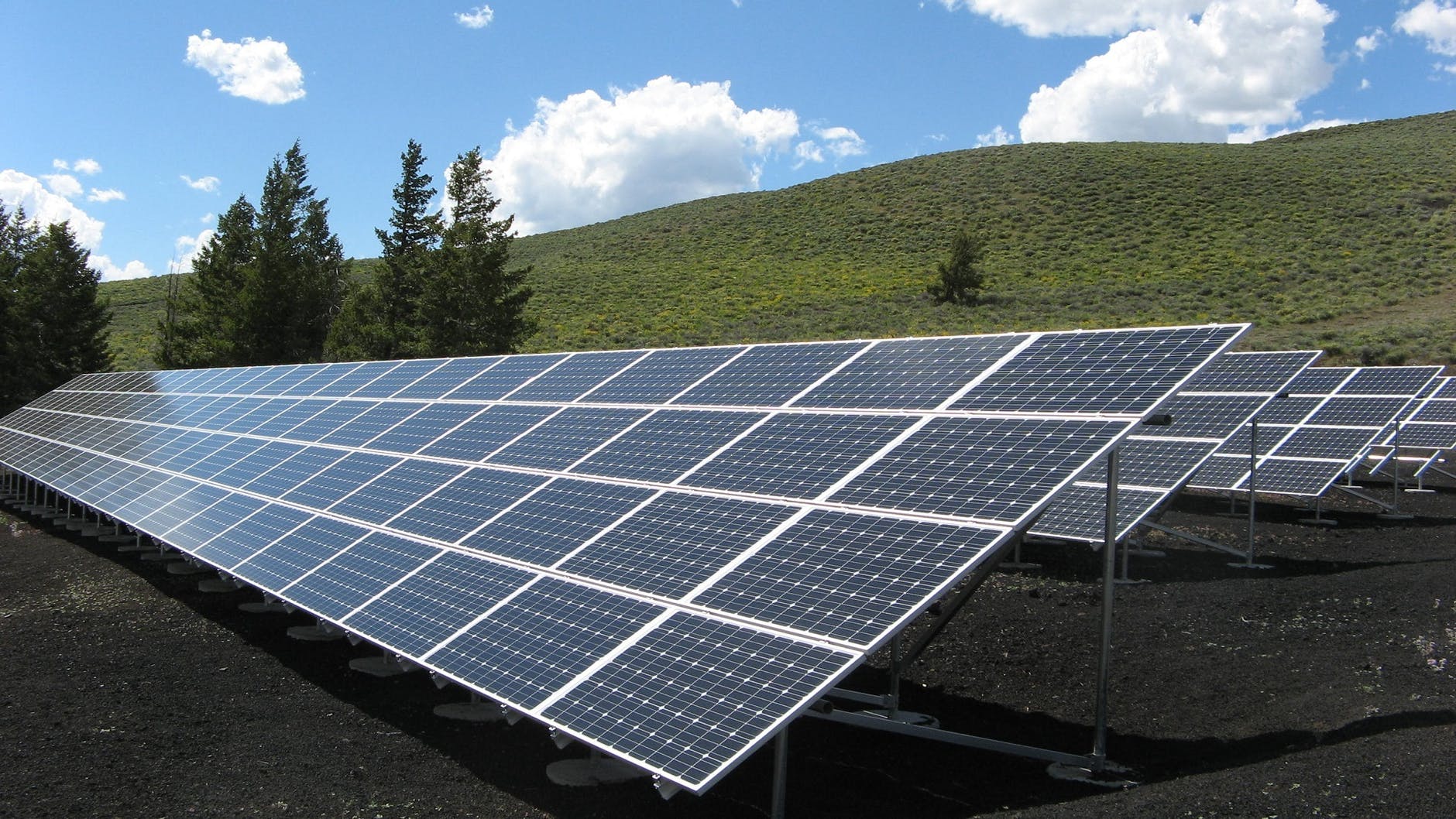
Photo by Pixabay on Pexels.com
It is important to remember, however, that we can utilize renewable energy to do more than produce electricity. For instance, passive solar design allows sunlight to shine into a house in the winter when the sun is low in the sky, thus helping to warm a home without any need for electricity or fuel. Similarly, positioning a home or workshop to take advantage of the prevailing winds across a property can allow for a cool, steady breeze to blow through in the summer and reduce the need for fans or air conditioners. For that matter, even gravity can be used as a source of energy to reduce our need for electricity. By placing water tanks or a pond at the top of a property, water can flow naturally downward to the rest of the property without the need for a pump.
We’re so used to electricity and fossil fuels doing work for us that we can forget that we can accomplish the same thing without the need for expensive infrastructure like huge solar panels or a hydroelectric turbine. If we want to continue living a modern lifestyle, we’re probably always going to need a bit of electricity to power our phones and computers, but part of embracing renewable energy is learning to utilize energy in its natural forms rather than relying on the flow of electrons to power our lives.
Other Renewable Resources
There are other renewable resources in the world around us that often go overlooked. Animals like pigs provide a resource not only as livestock that can eventually be eaten, but also as tools to help clear land and dig up roots. This service, which pigs perform instinctively, does not deplete the pigs. In fact, giving pigs the opportunity to dig for their food keeps them happier and healthier than if we just gave them a bucket of corn in a trough. The same is true of capturing the heat and carbon dioxide given off by a compost pile. This energy, which is usually released into the environment, can just as easily be used to provide warmth to a greenhouse throughout the winter while helping the plants to more effectively perform photosynthesis. It is important to observe and reflect on these types of renewable resources if we are to fully utilize them in our permaculture designs.

Photo by Arthur Smaal on Pexels.com
A Matter of Scale
Some resources may be renewable or non-renewable depending on how quickly we harvest them and the methods used in this process. For example, wood from a forest is not renewable if an entire mountain is clear cut all at once. This mass, indiscriminate harvesting is too disruptive to the ecosystem, and the forest may never recover without human intervention. However, selectively harvesting key trees in a healthy forest can provide wood while simultaneously opening gaps in the canopy that allow light to reach the forest floor and nurture new growth. Similarly, collecting dead branches within a forest to burn for fuel can actually help to make the ecosystem more resistant to catastrophes such as human-caused forest fires. These latter practices are sustainable and regenerative, and thus the resources obtained throughout the process are renewable.
Beyond wood, forests can provide many other renewable resources, again with the caveat that these resources must be harvested responsibly. Game like deer, rabbits, squirrels, and other creatures can provide food if hunted ethically. Herbs can provide nutrition and medicine, and leaf litter can be used to make compost. The amazing part of all of this is that as long as the equilibrium of the forest isn’t overly disrupted, the system will regenerate these resources without any human intervention! In fact, it would be difficult to design a forest that didn’t naturally produce game, herbs, and leaf litter.
Stewarding and re-creating these types of self-regenerating systems is one way to increase the world’s access to resources without stealing them from somebody else, whether they are populations in developing countries or ourselves in the future. Renewable resources are so powerful because they allow us to escape from playing a zero-sum game and instead enjoy abundance produced by nature’s intrinsic cycles.
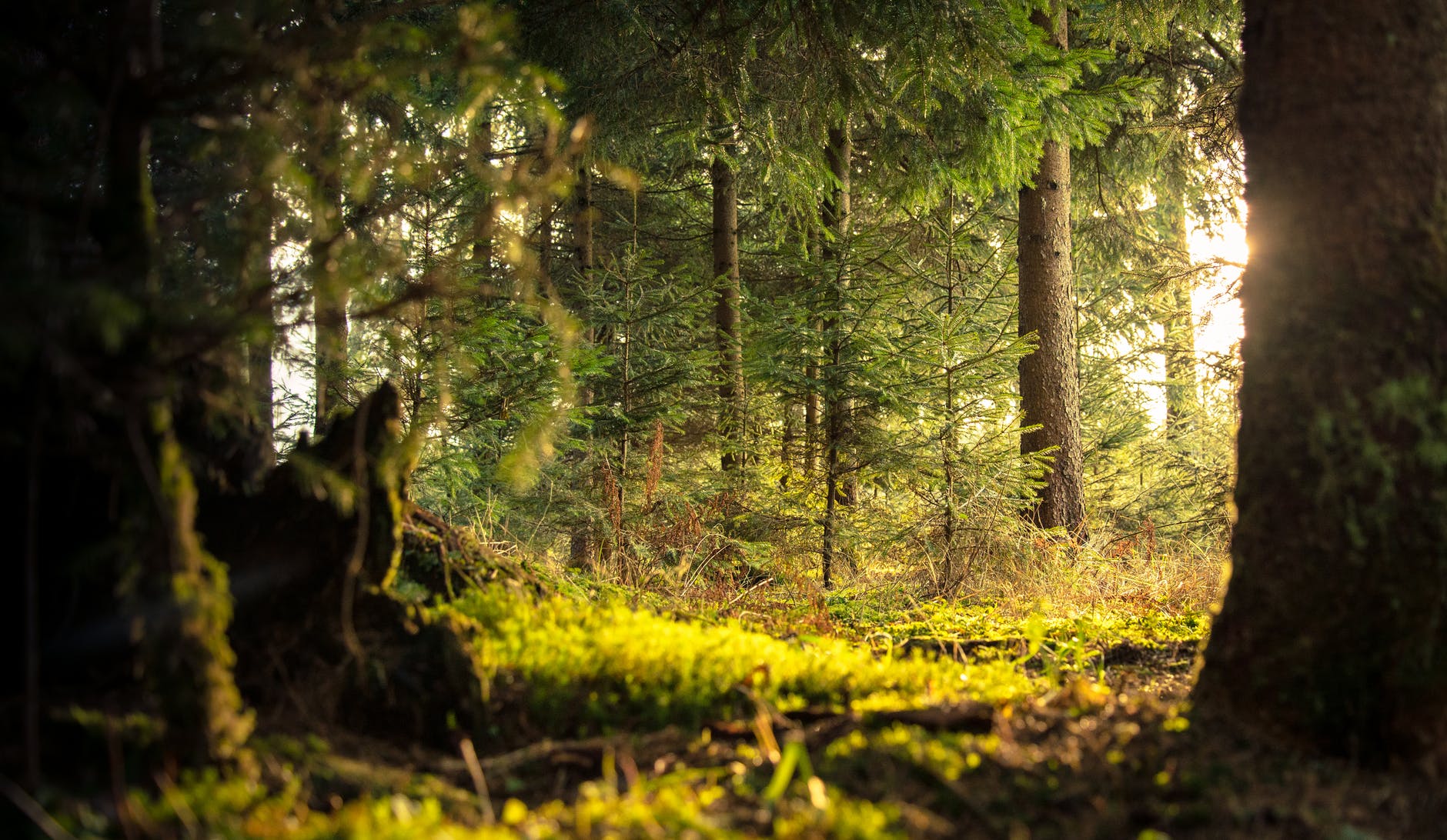
Photo by Nejc Kou0161ir on Pexels.com
Renewable Resources in an Apartment
If you’re living in an apartment or other rented space, there’s a good chance that you’re not going to have the opportunity to install solar panels or alter the placement of your home to take advantage of cooling breezes any time soon. However, this doesn’t mean that you can’t tap into renewable resources.
One idea is to simply get out into more wild, self-regenerating spaces and learn more about them, even if they’re not part of your house. If you’re lucky enough to have public land near you like a state or national forest, you could consider picking up a good guide on foraging and exploring the world of wild edibles once per week. Done well, your harvesting from these mature ecosystems will regenerate, and you’ll be less reliant on the grocery store for greens and mushrooms. If you have any experience hunting (or know someone who can teach you), local gamelands can provide you with some protein in your freezer on top of what you forage!
You might also be able to implement some basic passive solar design while living in an apartment to take advantage of the warmth of the sun. I happen to have a south-facing window in my living room and upstairs study. Sun streams in through these windows throughout the day, which is great in the winter when it helps with the heating, but it can be counterproductive when trying to keep the apartment cool in the summer. This year I planted a broad-leafed, flowering species from the tobacco family in the garden in front of my living room window. The tall plant and broad leaves helped to shade some of the sun from coming in the window during the hottest months of the year. As the weather cools and the plant dies back, however, the window will be unobstructed for winter.
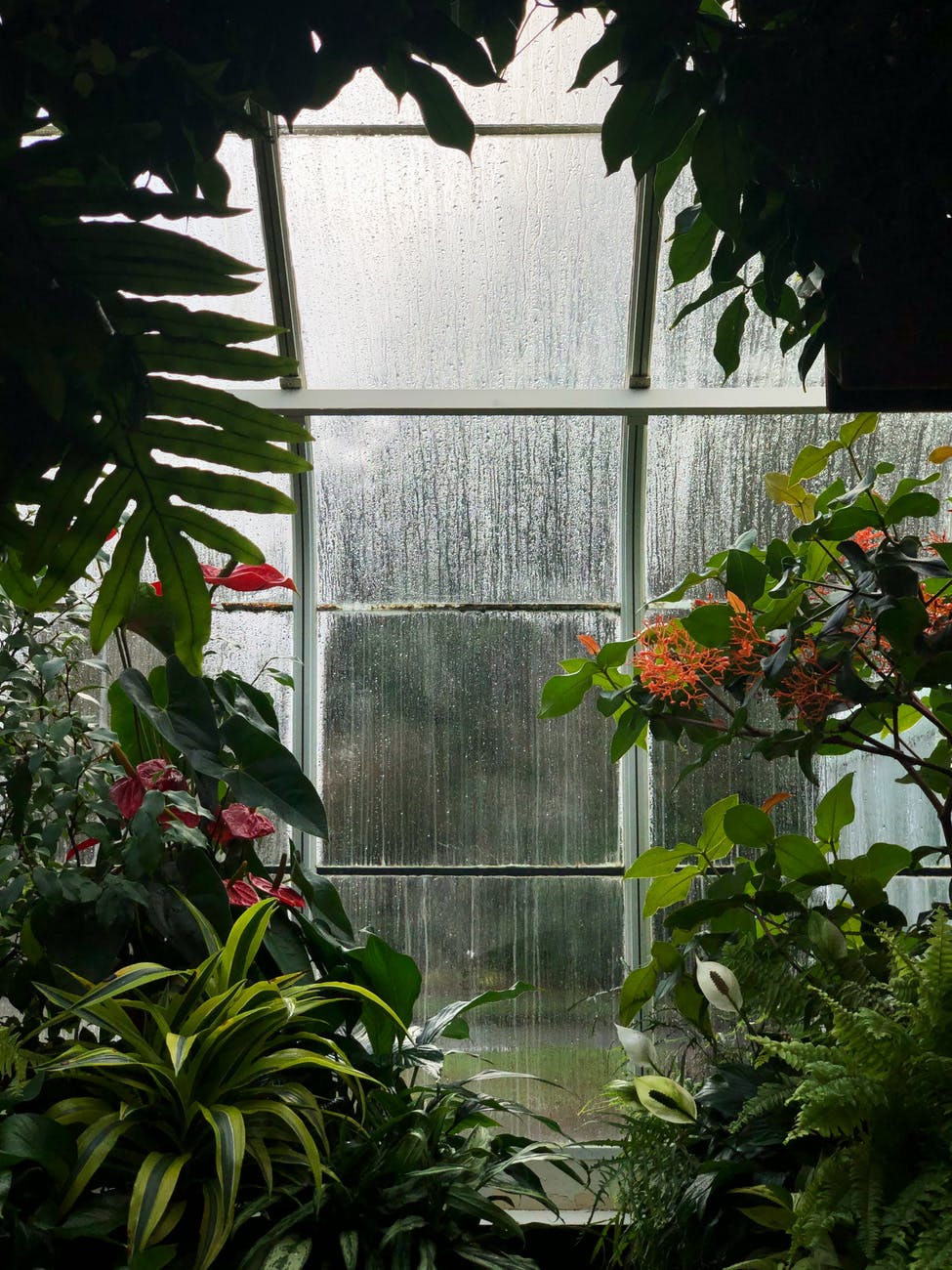
Photo by Brianna Martinez on Pexels.com
If planting something that grows and then dies back with the seasons isn’t an option, you can use heavy blackout curtains to achieve a similar effect. Simply close the blinds during the day in the summer when you’re not home to help keep the temperature from rising. In the winter, you can keep the curtains open during the day, but close them at night so that they serve as an extra layer of insulation, preventing heat from leeching out through the windows.
Tying It All Together
Renewable resources come in many forms, from solar electricity to self-replenishing herbs in a forest clearing. Learning to identify, utilize, and design renewable systems allows us to let nature do the work for us to create abundance. That’s not to say that there is no role for non-renewable resources: we might use diesel to power an excavator while putting in a pond on a farm, but our goal should always be for these new systems to return more resources than what it takes to construct them. Over time, we can shift away from systems that require an endless input of external resources and live lives that are sustainable, regenerative, and permanent.
 Bottom Up Permaculture