Whether you own a 100-acre farm, rent an apartment in the city, or are building a homestead in the mountains, one of your most important assets is the group of people you surround yourself with. Though plenty of people turn to farming as a way to put some distance between themselves and a society that constantly has us “keeping up with the Joneses,” the reality is that permaculture is rooted in connection. Certainly that means working with the connections that exist within nature, but it also means connecting with other people to form a community that is stronger than the sum of its parts. Even if you aren’t growing a single thing at the moment, you can make huge progress on your permaculture journey today by beginning to build the connections that will propel you forward in years to come.
Who You Know Determines What You Know
In business, it is often touted that who you know is more important than what you know. While this may or may not be true depending on your particular circumstances and goals, I believe that it obscures a deeper truth: that who you know determines what you know. More specifically, the people who surround you will shape the ideas that you’re exposed to, your ideas of what’s possible, and how you go about pursuing your dreams.
As just a single simple example, consider the five people you spend the most time with in your life, whether they are roommates, romantic partners, coworkers, or friends. Then ask yourself if these people, taken together, tend to share similar long-term visions as you regarding life goals. Do they dedicate a similar amount of time to putting in serious effort to achieving these goals as you would like to? If you were to start a conversation with them about your passion, would they be interested and engaged, or bored and dismissive?
Though at first glance the connections in your life are a product of chance, the reality is that you can spend intentional energy in cultivating these connections. The bad news is that you’re unlikely to just stumble into the perfect network and retain it without an effort. The good news, however, is that if you don’t already have a network like this built, there are concrete steps you can take today to begin “finding your tribe.” In the rest of this article, I’ll share the tips and strategies that have worked for me. I hope they’ll provide some ideas for you to apply in your own life, as well!

1) Hang Out Where Like-Minded People Gather
Authentic, long term connections with other people aren’t something that you can conjure out of thin air. Over the years, I’ve found that most of my valuable connections seem to be people I just “bump into” while going about my everyday life. Though it might not seem like there is much you can do to determine who you bump into, the reality is that you actually can create fertile ground for organic connections by altering your daily life so that you “just so happen” to be spending time where you’re likely to meet the connections you’re seeking.
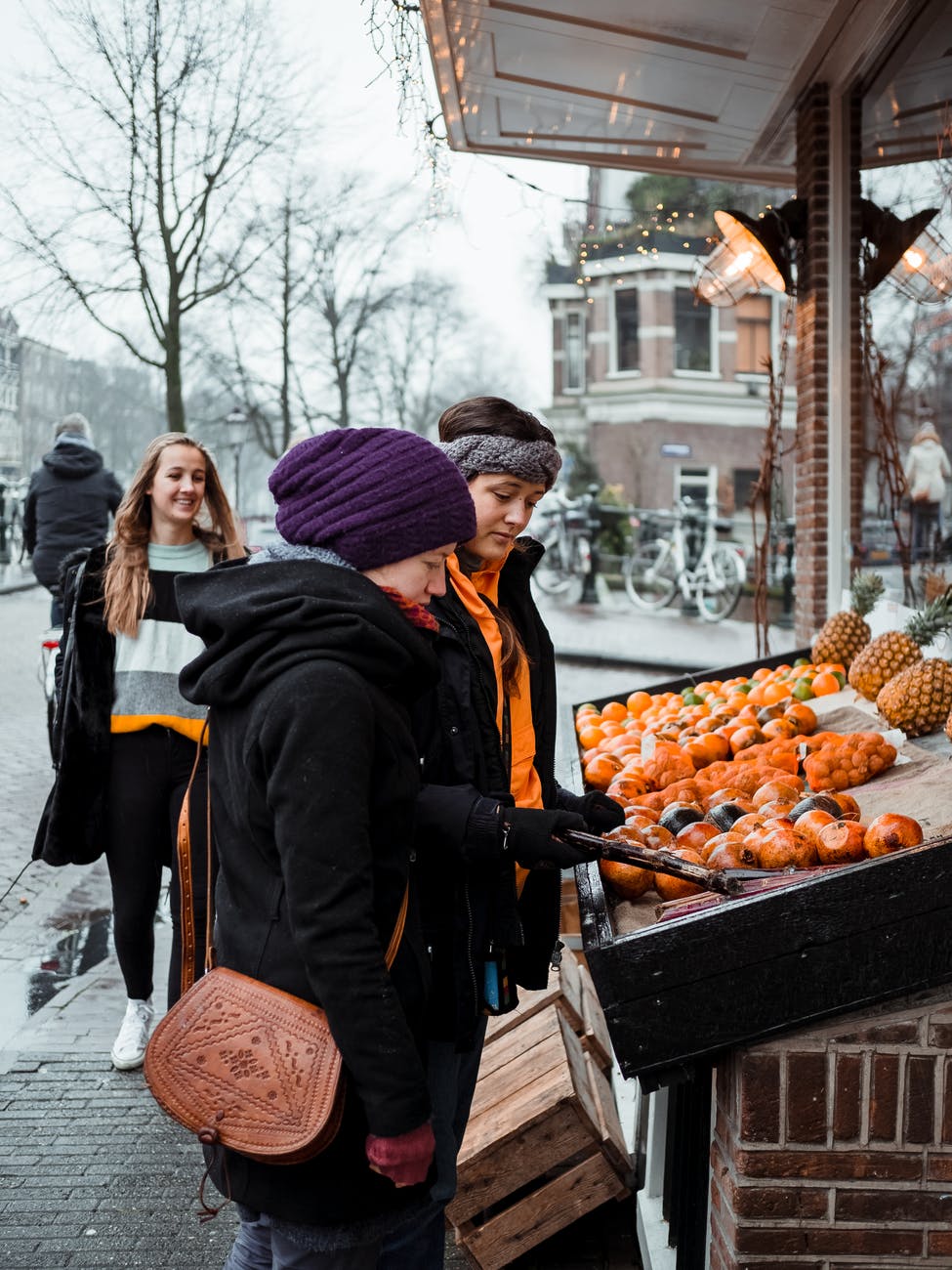
For instance, when you need to get groceries, are you having your groceries delivered online, or are you going out and walking around a local farmers market? Though you’re not guaranteed to meet someone passionate about permaculture in either of these scenarios, I think you’re far more likely to strike up a conversation with someone who knows a thing or two about regenerative food production when you’re surrounded by people who grow and sell food for a living, rather than while you’re sitting on your couch waiting for the doorbell to ring. The same idea can be applied to the types of restaurants you frequent (imagine the people you meet in line for takeout at a farm-to-table restaurant versus your local Pizza Hut), the places you go for vacation (picture visiting a biodynamic vineyard versus attending Fashion Week), and where you spend your Friday nights (hiking through a state park versus dancing at a night club).
None of that is to say that you need to stop doing all the things you enjoy simply because you’re not likely to meet a permaculture nerd there. What I am suggesting, however, is that you sprinkle a few activities into your daily life where you’ll be brushing elbows with the types of people you want to one day resemble. Give it a shot for 6 months, and I’d be genuinely surprised if you don’t end up “randomly” meeting someone you’d like to connect with further.
2) When You Meet Someone, Find Common Ground and Share Your Passions
This second tip comes down to making the most out of the random encounters that occur in your life after you bump into someone unexpectedly. You could meet the perfect mentor or a future business partner, and none of it will matter if you both don’t realize that you share a common interest and would benefit from deepening the relationship.
For this reason, if I have the time to chat I usually try to determine early in the conversation what the person I’m talking to is interested in, and then I try to find ways to connect that to what I care about. Though this might seem like a fairly obvious way to form connections, it’s surprisingly easy to get caught up in small talk, particularly during unexpected encounters, in which two people are engaged in polite conversation that never really goes anywhere. There’s nothing wrong with talking about it being a sunny day outside, but it’s mostly just a way to pass the time while saying nothing important.
Since I’m an introvert and all of my social interaction with strangers requires some degree of emotional effort, I find it helpful to direct the conversation towards something that excites me. Cultivating a wide array of interests is helpful in this domain, as it will allow you to form more connections between the tidbits of information that other people offer and the things you really want to talk about. Plenty of time you’ll still strike out and conversations will fizzle and be forgotten, but even if that’s the case, you’re no worse off than if you just stood there silently.
I think it’s important to highlight the fact that I’m laying out these guidelines for encounters where you are actively going out to network. This isn’t necessarily how I would recommend interacting with your established friends, but it does highlight the fact that networking is an active skill. I’ve taken entire business courses dedicated to the topic of networking, and it can definitely feel awkward and forced at first. However, I think the payoff to learning this skill is well worth the investment, regardless of the field you work in. My best advice is to avoid discouragement when you’re first starting out, and take some time to research other resources online. If you have the time to read a book, Never Eat Alone by Keith Ferrazzi was mandatory reading in my business curriculum, and I think it’s a good place to start!
3) Make Online Content Work for You
With COVID currently making face-to-face networking a little more difficult, I think this is a great opportunity to start actively curating the content you view online. It may seem almost inconsequential, but I’ve noticed that this strategy has really helped me to find new ideas and new voices that I otherwise wouldn’t have encountered.
If you’re on social media (I can mostly speak to Instagram and Facebook, but I imagine this would apply to Twitter as well), take a few minutes and follow a few pages that talk about permaculture. If you’re not sure where to start, follow a few hashtags like #permaculture, #organicgardening, and #landscapedesign. Then sort through the accounts that are using those hashtags until you find a few that seem relevant to you. I’ve found that even seeing 2 or 3 posts a day while scrolling through my feed can help remind me that I deeply care about permaculture and want to learn more.

YouTube is another great resource for finding informational and entertaining videos on all sorts of topics. The key here is to absolutely create an account and subscribe to the channels that you want to see. If you just go to YouTube without an account, you’ll be blasted by whatever is trending in pop culture, which almost never has anything to do with sustainability. By creating an account and subscribing to channels like Neversink Farm, MIGarderner, Discover Permaculture with Geoff Lawton, and other similar content producers, you let YouTube’s algorithms start working for you, and you’ll find that your recommended video lists start being populated with content about sustainability and gardening. Both creating an account and subscribing to channels is completely free, so there’s nothing to lose here.
Lastly, I would suggest that you consider diving into the world of podcasts, if you haven’t already. I happen to like Diego Footer’s Permaculture Voices as a podcast about market farming and pasture raised livestock in an environmentally regenerative context, but I’m sure there’s some other great content out there. Allowing the ideas in these podcasts to soak into your brain while you drive or do chores can really create some new connections and serve as a stepping stone to more directed study in the future.
Connecting for the Long Run
To wrap things up, I think the most important takeaway from this article is that networking is something that requires active attention, a specific set of skills, and most importantly takes time. Because you can’t just snap your fingers and be surrounded by a new set of people and voices, it makes sense to think about your efforts to improve your network over the span of months or years, rather than days or weeks. Though it might be daunting to start something now that you know might not pay off until far into the future, it also means you don’t need to figure everything out and get it perfect tomorrow in order to begin moving the needle in the right direction. Small, sustainable habits built up over time will be more impactful than a single herculean effort over a few days. Plus, at the end of the day, small sustainable changes to make the future a better place is what permaculture is all about. Like they say, the best time to plant a tree is 10 years ago. The second best time is today. Start to think about networking today, and in a decade you’ll find yourself surrounded by fruitful, inspiring connections!
 Bottom Up Permaculture
2 thoughts on “Growing a Permaculture Network”