
Summer is officially here, and as the weather heats up it’s the time of year to start thinking about long weekends at the beach, backpacking trips, and family vacations. All of these things are a great way to connect with friends and loved ones, but they can take a toll on your gardens and potted plants if you’re not prepared. Fortunately, with a little planning, you can keep your plants healthy and hydrated while you’re gone!
Keeping Plants Hydrated
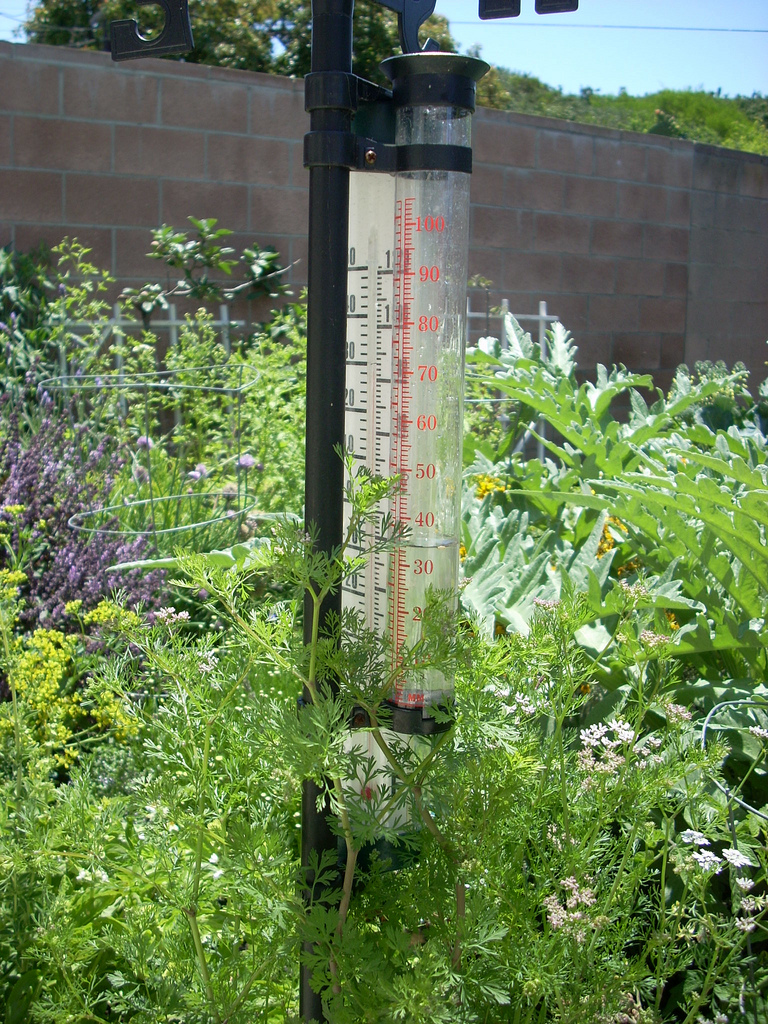
A generally accepted rule of thumb is that vegetable gardens require 1 inch of water per week to thrive in mild weather. When things heat up, they can require even more as the plants wick water out of the ground through their roots and then release it into the air through their leaves in a process called evapotranspiration. This means that if the average temperature is 90 degrees, your plants might require up to 2 or 2.5 inches of water each week between rain and watering. If you expect rain to make up a significant portion of this weekly water total, a rain gauge might be helpful for keeping track of how much moisture nature has provided, allowing you to supplement as necessary with a hose or watering can. However, it is worth noting that your plants will be less stressed if this water can be spread out throughout the week. Generally, I try to make sure my plants get some water at least every two or three days so that they stay consistently hydrated, rather than receiving tons of water one day followed by a week-long dry spell. This isn’t a problem if you’re only leaving for a weekend trip, but when you’re going to be away for a week at a time it can pose some challenges. This is especially true if you’re growing on borrowed land and don’t have permission or the capacity to put in an automatic sprinkler system. Fortunately, you don’t need to spend hundreds or thousands of dollars on an irrigation system to maintain some water in the soil while you’re away from home!
1) Build Up Organic Matter in the Soil
This first solution isn’t necessarily the most practical if you’re looking for a last-minute fix in the middle of the growing season, but it’s an important idea to keep in mind while prepping your garden beds and amending your soil over time. By building up organic matter in your soil, you can dramatically improve its capacity to hold and retain water, which means that the soil will stay moist for longer periods even without regular rain or watering. In fact, studies have indicated that for each percentage point of additional organic matter in the soil, the ground’s capacity to retain water can be increased by up to 4%. For example, some depleted, neglected soil might only have 2% organic matter. However, a well-maintained, bio-intensive, heavily composted bed might have 8-10% organic matter thanks to the carbon in the compost, fungal and microbial matrices colonizing the soil, and decaying plant matter from decomposing mulch (more on that later). This means that improving the health of your soil could allow it to hold up to 30% more water, which can be a pretty big deal!
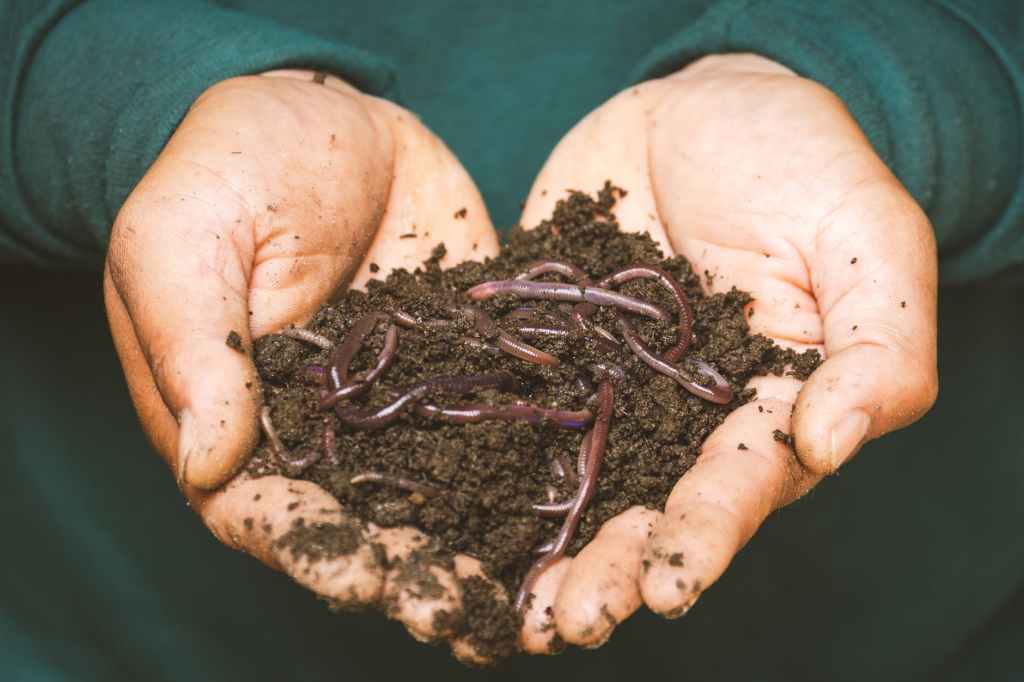
The best way to kickstart the organic matter content in your soil is to incorporate generous amounts of high-quality, organic compost in the beginning of the season and as you plant new crops. This carbon-rich amendment won’t only soak up and hold water for your plants to access, but it will also improve your soil’s structure and feed critical nutrients into the soil for both your plants and the supporting players that live in the ground (think mushrooms, earthworms, and the like). No-till or minimal-till practices will also help to promote these supporting players, as they avoid the disruption and soil inversion that can kill worms, fungi, and helpful microbes living in the soil.
2) Use Mulch to Prevent Evaporation
You don’t usually find exposed soil in nature unless something particularly disruptive like a mudslide or wildfire has just passed through, and there is good reason for that! When sunlight hits soil directly, it can drastically accelerate the rate of evaporation from the soil, causing your garden beds to dry up much faster than they otherwise would. Instead, nature tends to cover the ground either through a mulch of dead plant matter (like leaves on a forest floor) or through a living mulch of low-lying herbs and grasses. With this coverage, the sunlight never makes it all the way to the ground, and so a cooler, damper micro-climate is created just above the earth. We can take a few cues from mother nature here to help our own gardens along!
If you have a deeply cultivated, healthy soil, you can replicate the living mulches found in nature by planting your plants closer together than would otherwise be possible using conventional growing methods. This is because with loose, fertile soil going down 8 or 10 inches into the ground, plants can send their roots deeper into the earth rather than spreading them out in a broad radius just beneath the surface. This means that there is less competition between neighboring plants, and a much denser spacing can be used. Some bio-intensive growers even plant so closely together that the leaves of neighboring plants touch when they are 3/4 grown. If you can make this work in your garden, then there might be minimal need for additional mulching, as the foliage of your garden will prevent sun from reaching the soil. Planting creeping, broad-leafed crops such as squash, cucumbers, and pumpkins alongside taller plants like tomatoes or beans can also help to fill in the empty space in your garden, and as an added benefit the living mulch will prevent wind and water from washing away your hard-earned topsoil!
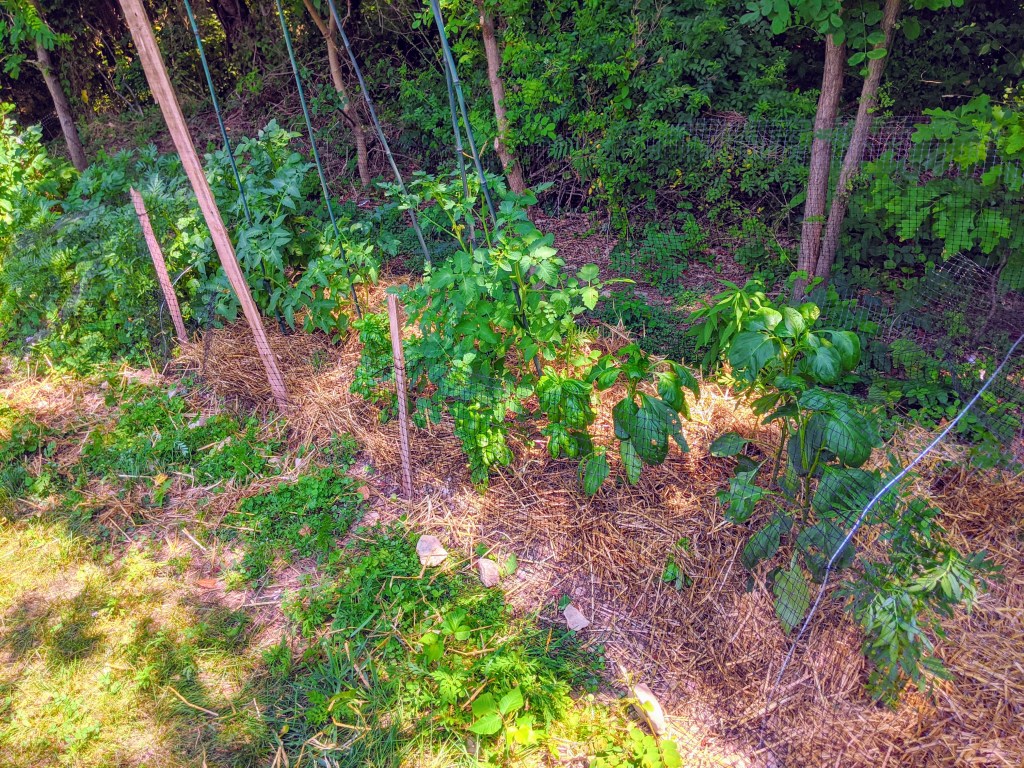
However, it’s not always easy to get your plants to grow that closely together right form the start. Additionally, depending on the time of the season when you’re taking your trip, your plants might still be young and only provide minimal shade on the ground. If this is the case, sheet mulching could be your best friend! By putting down a layer of straw, wood chips, or other carbon-rich organic matter a few inches deep in between your growing plants, you can achieve the same effect as a living mulch with only a few minutes of work. In this case, you also glean the benefit of having that mulch slowly decompose into the soil throughout the growing season, increasing the organic matter content of the your garden over time. Plus, sheet mulch can help to prevent new weeds from germinating and taking hold of your garden, which means less time on your knees pulling out unwelcome guests, and who doesn’t love that! Just like our first suggestion, incorporating some form of mulch into your garden won’t mean that you can go weeks without watering it, but it does go a long way in allowing your garden to survive for extended periods without constant maintenance.
3) Tap into your Social Support Networks
Permaculture is about more than just growing food and creating lush gardens. It’s also about providing space for people to gather and work together to create something that benefits both our communities and our planet. This means that you don’t need to do everything yourself! It’s easy in an individualistic society like ours to feel like asking for help from your friends, family, and neighbors is a sign of weakness, but I’ve found that people are almost always happy and eager to lend a hand if you ask them nicely and provide something for them in return!
If you don’t want to be eternally bound to your garden with no opportunity to ever leave during the growing season, then tapping into your social network could be a great way to get the watering done while you’re away. Reach out to a friend a week before you’re leaving and ask them to come over once or twice so you can show them how you water and care for your garden. Then, when it’s time for you to leave, ask them if they’ll swing by every few days and take out the watering can or the hose to keep the garden healthy. If they haven’t done much gardening before, they might be happy to learn how to take care of some plants for the first time, and you might even inspire them to grow a little bit of their own food! Or, if you have a network of friends who are already into gardening, then you can return the favor and water their gardens while they’re away and you’re home. This may seem like an overly simple solution to keeping your plants hydrated, but it’s easy to overlook these solutions in our busy lives. When it comes time to harvest, just don’t forget the people who helped you out along the way, and offer them a few tomatoes or a homegrown salad so that they can share in the bounty that they helped to create!

Final Thoughts
This list is obviously far from all-inclusive when it comes to creative solutions for getting water to your plants without your direct involvement. Sprinklers with irrigation timers do exist, and they can be very handy if you’re operating a more commercial operation. Likewise, little plant-watering globes can be a good solution for keeping potted plants and houseplants supplied with water while you’re gone. Shade cloth can be hung above beds to shade out the worst of the summer heat and further reduce the need for excessive watering, and I’m sure you can think of several other options for your unique circumstances. Regardless of the solutions you choose, forethought and a little bit of planning can go a long way in freeing you up to travel throughout the summer, and your plants (and stomach!) will thank you for all the hard work and intentionality when it comes time to harvest your delicious crops!
 Bottom Up Permaculture