Growing Food without Land
If you rent a townhouse, apartment, or any other type of property that doesn’t come with access to your own land, you may have felt discouraged when it comes to growing your own food. After all, how are you supposed to replicate those massively productive raised garden beds you see on YouTube when you don’t even have a patch of dirt to work with? Fortunately, renters, students, and anyone else with limited outdoor space still have several great options to experience the joy of growing their own food and eating fresh, organic meals that they produced themselves. In this article, I want to lay out 3 ideas, from the most accessible to the most ambitious, to help inspire you to start growing right now, no matter your living situation.
1) Growing on Windowsills
Any building in the US that is up to code is required to have, at the very least, a window in the bedroom large enough to allow escape during a fire. This means that almost everyone reading this should have at least one source of natural light in their home that can be harnessed to grow plants! Though you might not have a ton of space or a ton of light to work with, the windows in your home are an easy place to start growing some of your own food!

That said, there are a few things to keep in mind when growing in windows. First of all, you’re going to want to think of the orientation of your window and how much sun it gets throughout the day. South-facing windows get the most sun, and north-facing windows get the least (at least if you live in the northern hemisphere), but in almost all cases there is going to be less light coming through a window than what you would get outside. Because of this, it’s going to be very difficult to grow full-sun-loving plants like tomatoes, cucumbers, and most vegetables indoors unless you want to supplement with grow lights. In my opinion, windows are much better suited to part-shade tolerant plants like leaf lettuce, thyme, German chamomile, mint, parsley, and chives. Another option is to grow microgreens, which are nutrient-packed baby plants similar to sprouts. There are plenty of videos on YouTube about growing microgreens, but I think this video is pretty good at covering the basics.
Because of the limited space and light provided by windowsills, it’s unlikely that you’re going to grow enough food there to be able to stop going to the grocery store, but remember that that’s not always the point! Even growing one or two herbs allows you to start building skills related to sustainability and food production, and I can say from personal experience that brewing a cup of mint tea you grew yourself can be just as satisfying as harvesting bushels of tomatoes!
2) Growing in Containers
If you’re lucky enough to have an apartment with some outdoor space like a patio, a porch, or even a relatively flat roof, then container gardening could be a great way to start increasing the volume and diversity of food you can grow! Container gardening is great because it doesn’t require you to make any permanent changes to the space you’re growing on. Instead, you simply gather together some old pots, some good potting soil, and some seeds, and you have a mobile garden that can even be brought inside during cold snaps or inclement weather! Because you’re not digging in the ground, your landlord is almost guaranteed not to mind, and you’d be amazed at the abundance that can come out of an 18-inch planting pot.
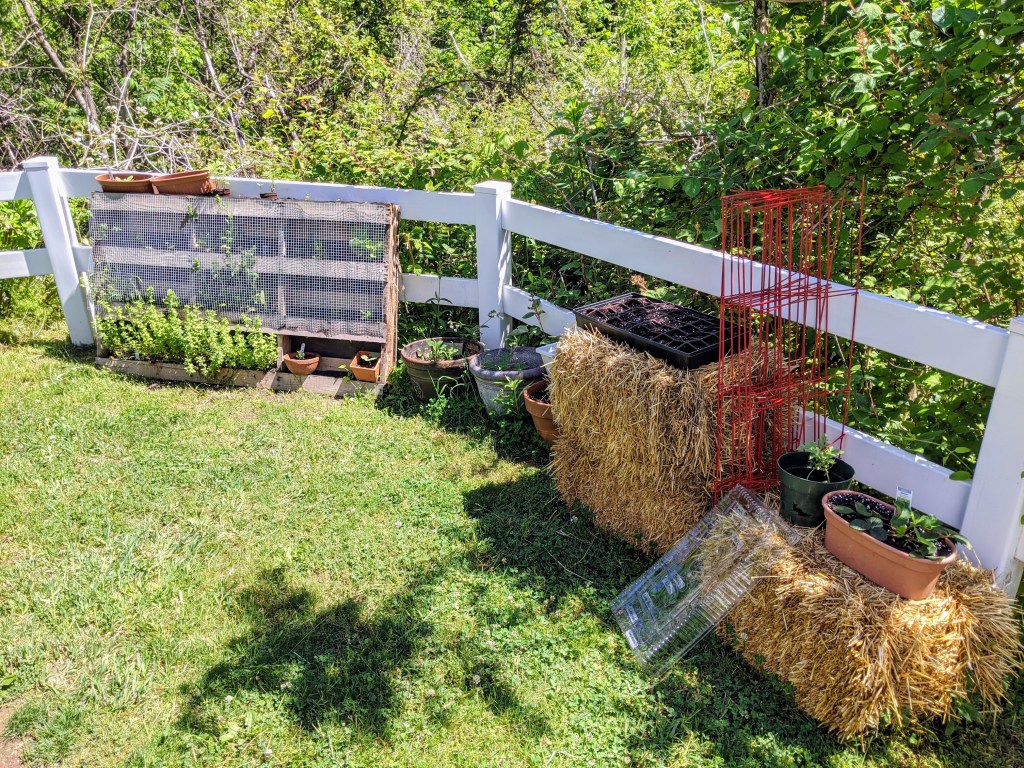
Helpful in this endeavor is the fact that many seed companies have even started offering specific varieties of popular vegetables that are bred to perform well in containers! Check out this collection by Johnny’s Seeds for dozens of examples. Everything from tomatoes to bush beans to bouquet flowers and even small carrots can be grown on a porch for just a small investment. My tips are to just make sure that you choose a large enough container with drainage at the bottom and don’t skimp on good quality organic potting mix. Otherwise you’re liable to find yourself fighting with plants dying because they’re either always flooded or constantly drying out!
3) Growing on Borrowed Land
Depending on how introverted vs. extroverted you are, this could either be the most exciting or the most intimidating option of the three ideas I’m sharing today, since it will always involve coordinating, at least a little bit, with somebody else. That said, if you don’t own your own land, getting permission to grow food on somebody else’s property can often be a major first step towards growing enough food to feed yourself (and maybe even having some left over to sell)!
The good news is that oftentimes, as long as you are respectful and tidy, other people will be happy to let you garden in their unused spaces. With as busy as the world can be, there are plenty of people out there who would love to have flowers and vegetables growing in their backyard but just don’t feel like they have the time to get out and grow on their own. If you can develop a relationship with these people and are willing to share a bit of your harvest with them, chances are you can get permission to grow for free! Consider reaching out to friends, family, your church, any clubs or organizations to which you might belong, and even your landlord. If you start asking around, you can almost always find someone with an overgrown corner full of weeds that they wouldn’t mind seeing cultivated (check out our article on rehabilitating a patch of weeds into a permaculture garden)!
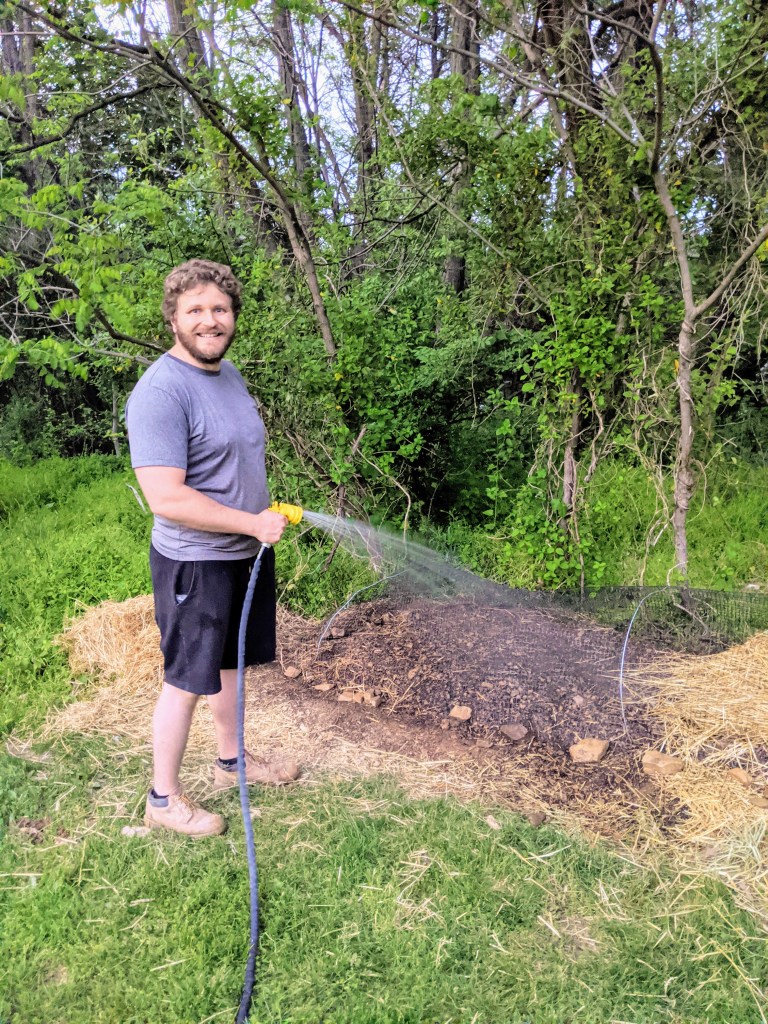
A couple tips if you choose to pursue this path: first, start small and make sure you can handle everything you start. Nothing will deteriorate your relationship with a landowner faster than you digging up too much space, getting in over your head, and then leaving them with a muddy mess to clean up after you quit. A 10 foot by 10 foot bed is plenty to get started with some simple planting, and you’ll be able to pull out pounds of produce from a plot of that size. If you start small but do a fantastic job, chances are good that other people will come to you and ask you to put beds in on their property. Do this long enough, and you can even grow a small business of farming on borrowed land!
My second tip for getting permission to grow on someone else’s land is to show a sign of good faith to the owner first. If your apartment complex has a bunch of litter laying around, clean it up before asking your landlord to put in a garden bed. Offer to help a neighbor rake leaves or pull weeds before asking them if you can grow tomatoes along their fence. These little gestures might not seem like much, but it helps you to build trust with someone you’re asking a favor from, and trust is the key ingredient when it comes to sharing resources.
Final Thoughts
Undoubtedly there are challenges to growing food when you rent, rather than own, a property, but in the end these are only opportunities to be creative and try something new! If you get excited about the idea of harvesting your own fresh herbs or the thought of mixing up a homegrown salad, don’t put off growing food until you own your own land! There are plenty of ways, both big and small, to use the resources that are already available to you, and even a tiny step in the direction of self-reliance and sustainability has the power to transform how you think about food, the environment, and the future of our communities!
 Bottom Up Permaculture