5 Permaculture-Inspired Strategies to Always Have Food, No Matter What
With news floating around about food packing plants shutting down and potential meat shortages related to COVID-19, it’s natural to begin questioning how secure your food really is. Whether you’re facing empty shelves at the grocery stores or just looking to be better prepared for future emergencies, permaculture offers a few strategies that can help ensure you always have food on the table. Keep reading for 5 permaculture-inspired tips to prepare for a food shortage and gain some valuable skills along the way.
1) Join a Local CSA
Those familiar with permaculture are likely already aware of the CSA model and how it can help support local food producers while reducing food miles and waste. However, when national food supply chains begin to be disrupted, CSAs can also be a great way to guarantee access to fresh fruits, veggies, meats, and much more, year-round.
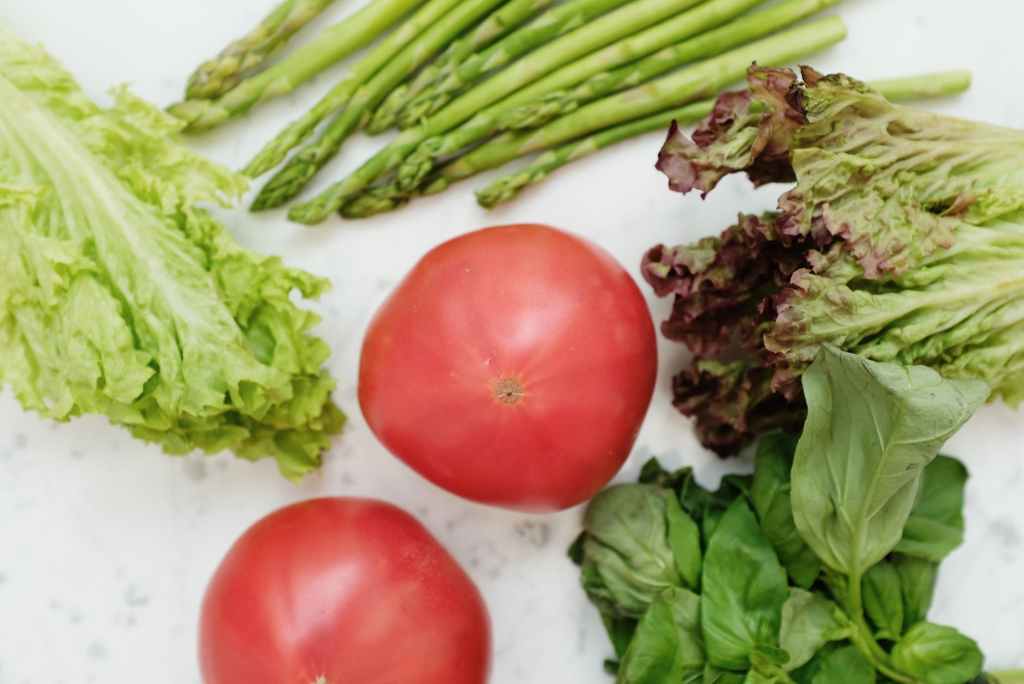
A CSA, or Community Supported Agriculture, is a crop-sharing model with benefits for both farmers and customers. In a CSA, you pay a fixed price to a farmer at the beginning of a growing season, and in exchange you receive a pickup (usually weekly or bi-weekly) of fresh food all throughout the year. What is included in your CSA pickup will vary depending on what is being harvested at the time, but you will always receive a collection of new food to last you until your next pickup. For example, if you join a CSA for veggies you would pay one price for the whole season in the spring. Shortly afterwards, you could expect to receive baby mixed salad greens, green onions, baby turnips, and radishes. Then in the fall, you might be picking up potatoes, squash, broccoli, and cabbage. Each CSA will be a little different in how they schedule things throughout the year, but it’s a fun and exciting way to add a little automated variety into your grocery list. Plus, you’ll meet like-minded people (not to mention your farmer) each week when you pick up your food!
CSAs are available for everything from fruits and veggies to meats, cheeses, eggs, mushrooms, herbal medicines, and much more. Even if you live in a city, there are organizations like the Lancaster Farm Fresh Co-Op that help to connect you to more rural farms and keep your pantry stocked with organic, seasonal produce. Just do a quick Google search for “CSAs in my city” and you’ll be surprised at the number of results you find!
2) Shop Local and Meet Your Farmer
When you need to pick something up that’s not included in your CSA, always try to shop locally from farmer’s markets, local grocery stores, and mom-and-pop shops. When national and global supply chains are rocked by unexpected events like the Corona Virus, it’s the giant meat packing plants that shut down, not your hometown farmer. By shortening the path your food takes to get from the farm to your table, you reduce the number of points where something can go wrong. Not only does this mean you’re less likely to see a drop in supply when food from giant processing plants on the other side of the country shut down, it also means you’re helping your neighbors who own or work at small businesses to keep their doors open in the long run. This means your food supply will be more resilient and adaptable in the future.
Looking to permaculture’s emphasis on connections and community, this also means that you’ll have more of a chance to meet and become friends with the people who provide the food you eat. Anyone who has tried to call customer service for a national company knows how frustrating it can be to try to find a real human who cares about your problems and can actually do something to fix them. Compare that to the process of calling a local butcher you’ve been going to for years, or chatting with the farmer you see each week at the local market. If I was worried about running out of chicken breast and I was looking for alternatives, I’d rather talk to my butcher than the manager of the local Walmart every day of the week.
3) Learn to Cook More Whole Foods
Over the past few decades, Americans have become more and more reliant on other people preparing their food for them. The Governor of Pennsylvania stated in a recent press conference that before the quarantine, over 50% of the meals eaten in PA were from a restaurant. Now that restaurants are closed or limited to takeout, many people are forced to cook for the first time. While many people might turn to frozen meals and pre-prepared foods as a solution, these items might disappear if the factories that produce them need to shut down. The best way to make sure you can eat regardless of what’s available to you is to learn to cook whole foods for yourself.

Fortunately, the internet is packed full of blogs and YouTube videos teaching you how to break down and use every piece of a whole chicken, how to stir-fry your own fresh vegetables, and even how to make your own yogurt and cheese. Cooking is a lifelong skill that takes some practice to develop, but having that skill pays huge dividends when things get tight. Not only will learning to cook from scratch allow you to adapt to whatever might be for sale at the farmer’s market or in your CSA basket, but it will also save you a ton of money and put healthier, less processed food in your belly.
4) Learn to Forage
Pick up a guidebook on foraging, and you’ll be amazed to learn just how many wild plants (including many “weeds”) are edible and even medicinal! After I got settled in my new apartment, I started to get curious about the plants that grew along the edge of the building, near the sidewalk, and in the small patch of woods a short walk away. Within minutes I had discovered wild garlic mustard, mayapple, dead nettle, and dandelion, all of which can provide food and medicine! Dandelion alone can be eaten in a salad (the leaves), brewed into a detoxifying tea (the root), and even fermented into wine (the flower).
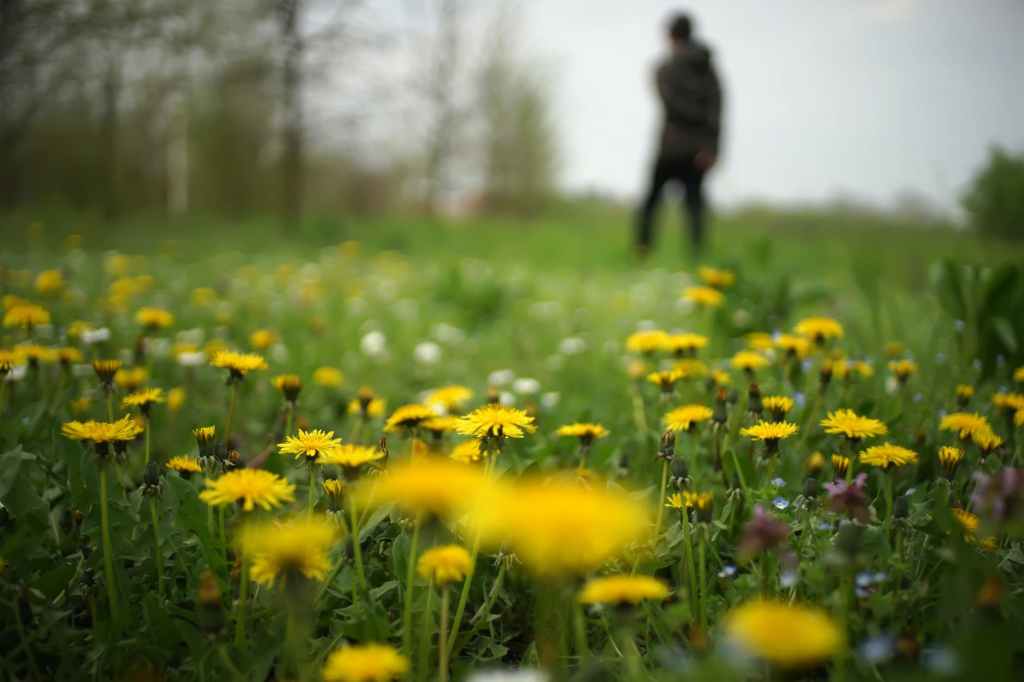
The great thing about foraging is that you don’t need to invest anything besides your time and effort. Just find a reputable source (there are plenty of online resources for free) and start identifying what’s already growing around you. Nature is incredibly abundant, maybe even more so now that pollution is clearing due to the world being locked down, and many wild plants are literally begging to be picked and eaten. That’s what spreads their seeds and helps them reach new areas! Make sure you properly identify anything before you eat it, as there are some plants out there that are poisonous and can hurt you if you eat them, but don’t let that discourage you! If you need some help identifying something, just join an online community like /r/foraging and you’ll be on your way to eating new plants you never even new were growing right outside your door!
5) Grow Your Own Food
One of the most effective ways to have control over the food you can access is to grow food yourself. This doesn’t mean you need to go plant your own field of corn or start a pumpkin plantation; just get started and grow something! If you have a windowsill that receives some sunlight, chances are you can grow herbs and some salad mix. If you’re in an apartment and you’re feeling adventurous, grow some micro-greens to have a stock of nutrient-packed super foods at the ready.
They say that the best time to plant a tree is 10 years ago, and the second best time to plant one is today. The same goes for growing your food. Planting seeds today might not solve all of your food problems next week, but it lays the foundation of self-reliance and a connection to the origins of the food that fuels your body. Many of the same skills that go into growing basil in a window box are the same skills that go into managing a quarter-acre vegetable plot. Master the basics in whatever ways you can, at whatever scale you can, from right where you’re at today, and you’ll be taking the first step in a lifelong journey of planning, planting, growing, and harvesting your own food.
Final Thoughts
As with anything, learning the skills and making the connections to grow closer to your food is a process that takes some time. Some things, like joining a CSA and shopping locally, can start putting food on your table by tomorrow. Other things, like growing and cooking a meal, might take some time to learn and implement, but they’ll pay off for the rest of your life.
Undoubtedly it’s a scary time when we start to worry whether we’ll be able to feed ourselves and the ones we love, but I hope that by following these 5 tips, you’ll begin a journey that empowers you to overcome any food shortage while developing a closer relationship with nature!
 Bottom Up Permaculture