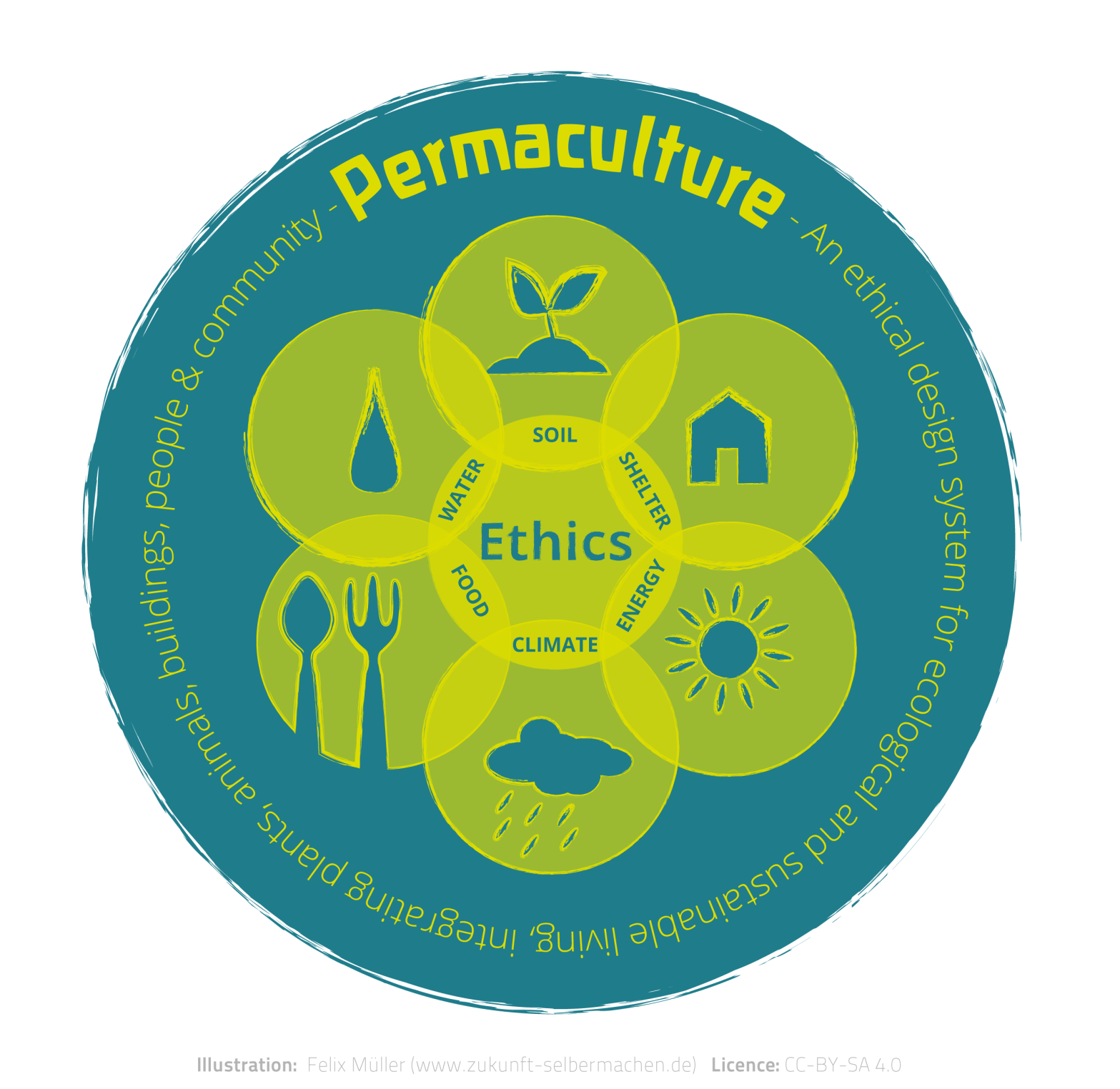
A Permaculture Definition
Whether this is your first time hearing about permaculture or you’ve been working with the framework for years, a perennial challenge is trying to answer the question “What is permaculture?” Chances are that everyone you ask about permaculture will give you a slightly different definition, but I hope that by sharing a little history and a few universal principals, I can help you begin to flesh out your own definition.
Permaculture is a Design Process
To start, let’s be clear about what permaculture is not. Many newcomers think that permaculture is a specific gardening or farming technique. While food production and growing techniques have always been an integral part to the permaculture story, to me it is only one part of a more comprehensive whole. In actuality, permaculture is about assembling a collection of techniques and elements, through a repeatable design process, to build earth- and people-friendly systems. Permaculture is a framework that guides people through designing and building better life-sustaining systems. The specific techniques used will depend on many factors (for instance, the specifics of irrigation systems used in the desert versus a tropical rain forest might look very different), but permaculture will provide a set of guidelines for maximizing the use of on-site resources regardless of the climate that you live in. That is the main reason permaculture can be applied to any living situation, workplace, climate, or set of challenges.
The Origins of Permaculture
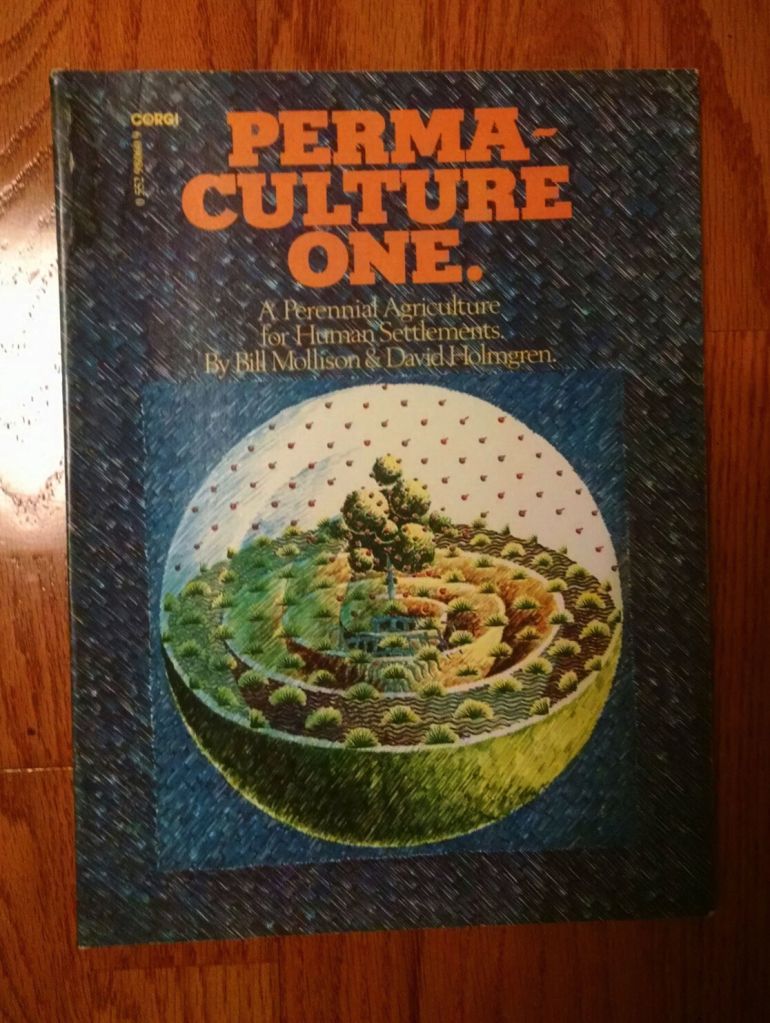
But where does this design process come from? What makes the permaculture design process different from the process that might be used by a traditional “Western” site planner to build a suburban housing development? Part of the answer to this question can be found in the origins of permaculture. The story as it has been passed on to me is that in the 1960s, a pair of Australians named Bill Mollison and David Holmgreen became alarmed at the rapid environmental deterioration, species extinction, and seemingly endless consumption of industrialized societies. This pair began to question why, after thousands of years of living in harmony with nature, humans had suddenly started inflicting such a heavy toll on the earth and what, if anything, could be done to change this destructive trajectory. With this question in mind, they began travelling the world, visiting with indigenous groups from many different climates, cultures, and histories to try to understand what they did differently than those of us in “The West.” The distillation of their findings was presented in the book Permaculture One, where they laid out a set of three ethics and 12 design principles held in common throughout all cultures living in harmony with nature, regardless of their geography. It is adherence to these three ethics and 12 design principles that distinguishes permaculture from other design frameworks.
The story of the origins of this framework also offers some insights into the genesis of the term “permaculture.” Initially, the word was a shortened form of “permanent agriculture,” referring to systems of food production used by indigenous peoples that restore, rather than deteriorate the ecosystems in which they are situated. Over time and into the 1980s and 90s, however, it became more and more apparent that it was impossible to look at sustainability and environmental regeneration only through the lens of food production. If we are truly to build a future where the earth can provide for humans for as long as our descendants are on the planet, the ethics and principles of permaculture would need to be applied to all aspects of human life. Consequently, “permanent agriculture” evolved into “permanent culture” and began to incorporate the integration of all human needs, from food to medicine to artistic expression to spirituality and community building. It is this legacy that we inherit in permaculture today, as permaculturists work to understand everything that goes into building a sustainable, fulfilling, beautiful human life, regardless of where we put down our roots.
The Three Permaculture Ethics
Permaculture is a design framework that seeks to observe the synergies, resilience, and sustainability found in nature and apply those principles to human life. But what are the three permaculture ethics and the twelve permaculture design principles? The three ethics are Earth Care, People Care, and Fair Share. In short, Earth Care refers to being good stewards of our planet and regenerating the health of natural ecosystems through the actions we take and the systems we build. People Care guides us to take care of humans and all of their needs, from the most fundamental like food and shelter, to the aesthetic and spiritual. Rather than viewing humans as a scourge on the purity of nature, permaculture sees the potential for humans to work as part of nature to enrich our lives and the lives of the species around us. The third ethic, Fair Share, alludes to the fact that a well-designed permaculture system should be capable of producing an excess of abundance beyond what is needed for the survival of the individual who created the system. This excess should be shared with the community, and it highlights the idea that a truly sustainable system must be economically as well as ecologically viable.

The Twelve Permaculture Design Principles
These three ethics are backed up by twelve design principles that guide a permaculturist in building systems, landscapes, and communities that are greater than the sum of their individual parts.
The twelve permaculture design principles are:
- Observe and Reflect
- Catch and Store Energy
- Obtain a Yield
- Apply Feedback
- Utilize Renewable, Rather than Finite Resources
- Produce No Waste
- Start Designing with Patterns and then Move to Details
- Integrate rather than Separate
- Favor Slow and Small, Rather than Dramatic, Interventions
- Utilize Diversity
- Value Edges and Transitional Spaces
- Utilize and Respond to Change
Different books and resources may word these principles slightly differently, may combine multiple principles into one, or may add additional principles, but I think it’s safe to say that any permaculturist would recognize and identify with these ideas.
Building Your Own Definition of Permaculture
So is there a universal, one sentence answer to the question “What is Permaculture?” Probably not. To me, permaculture is a way of thinking and living that evolves with time based on your circumstances, your resources, and the individual nature of your spirit. The three ethics and 12 design principles form the basis of the design framework, and I think fleshing out the rest of the details is half the fun of permaculture. This process is a lifelong journey that will likely go through many iterations and adaptations depending on where you live and what you hope to accomplish. But just like the ecosystems we live in, it’s the ethereal, ineffable quality of this pursuit and the places it takes us throughout our lives that gives permaculture such beauty, intrigue, and enduring meaning.
 Bottom Up Permaculture
12 thoughts on “What is Permaculture?”